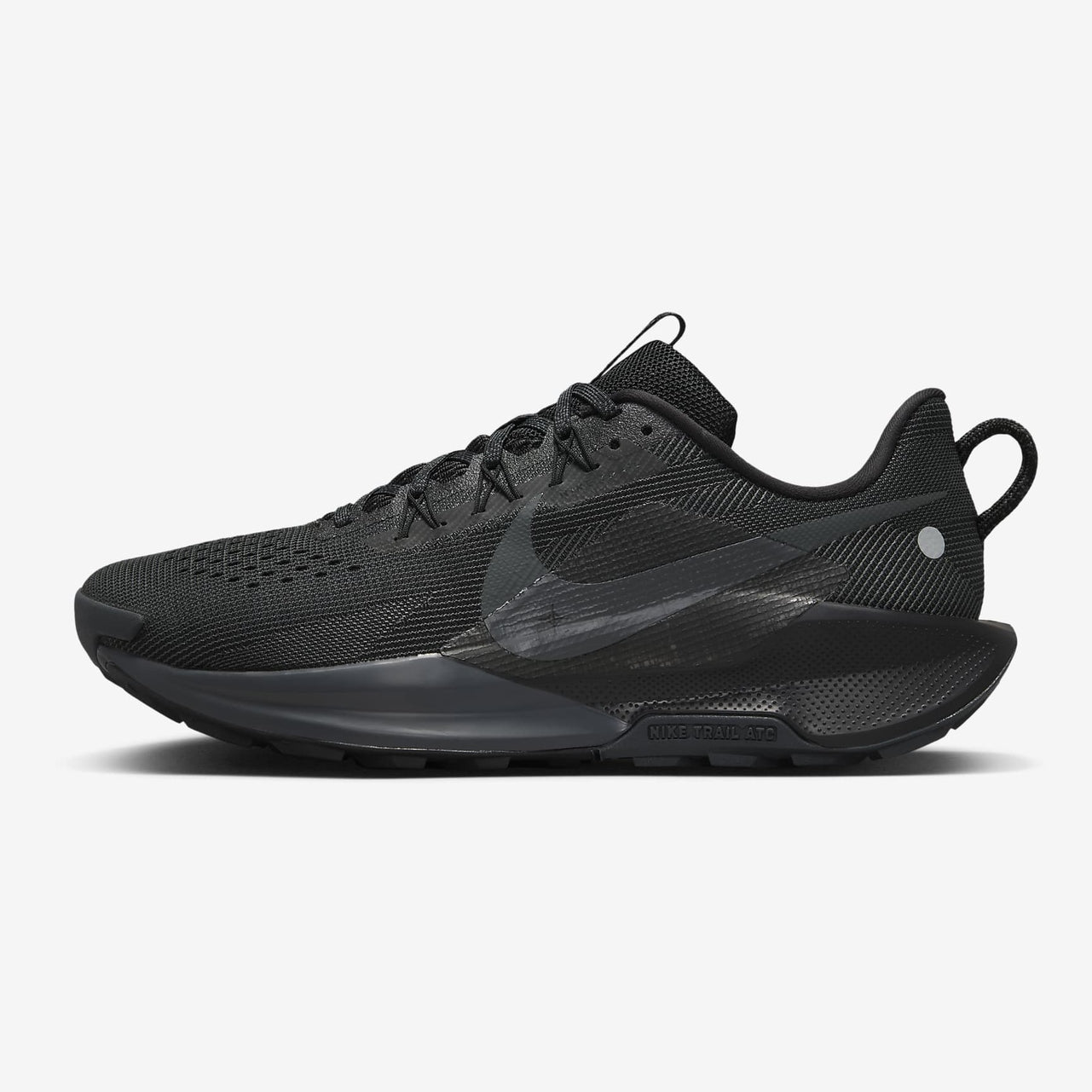

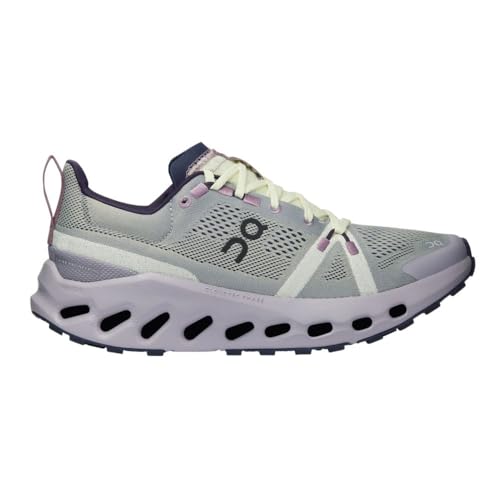
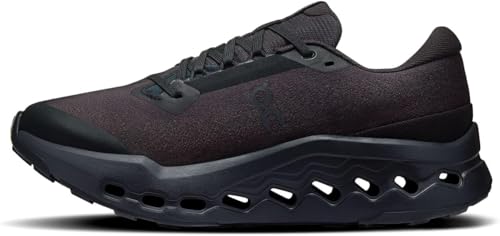


Grip: flat contact versus mechanical bite
Road outsoles aim to place rubber efficiently on asphalt and concrete. Their tread is usually low and broad, creating continuous contact on a hard surface. Trail shoes use raised lugs that push into dirt, gravel, grass, or mud. The deeper and farther apart those lugs are, the more specialized the outsole becomes for soft ground.
On pavement, deep lugs can bend or squirm slightly and concentrate pressure beneath the foot. They also wear faster because the hard surface grinds their edges. On wet rock, lug depth alone is not enough; rubber compound and the amount of contact area matter. A hard, toothy outsole may still slide, while softer rubber can cling better.
Road rubber can cope with dry, smooth paths, especially at an easy pace. Problems arise when the surface becomes loose, steep, or wet. Without defined edges, braking and climbing require more careful steps. If a route regularly includes those conditions, trail grip reduces the amount of attention spent searching for traction.
Cushioning and ride: efficiency versus control
Many road shoes use soft, resilient foam and curved geometry to make forward motion on level ground feel smooth. Some have tall stacks because pavement does not usually tilt beneath the runner. Trail shoes may use equally generous cushioning, but the platform often becomes wider, firmer, or more structured to control landings on uneven surfaces.
A very soft road shoe can feel unstable when one side lands on a rock and compresses more than the other. A firm trail shoe can feel dull on a long road stretch because its protective structure filters out the smooth rolling sensation road shoes are designed to create. Hybrid shoes sit between these extremes.
Stack height deserves attention. More foam isolates the foot from repeated impacts and sharp objects, yet it also raises the foot above the ground and can reduce precision. Low trail shoes provide ground feel but less protection. Neither category owns one correct amount of cushioning; trail design simply asks cushioning to remain composed when the landing is unpredictable.
Stability and protection: different forms of insurance
Road stability traditionally addresses how the foot moves through a straight, repeated stride. Trail stability must also handle side slopes, awkward landings, and sudden changes of direction. A wide base, secure upper, sidewalls around the foam, and a lower center of gravity can make a trail shoe feel controlled without using conventional guidance elements.
Protection is another visible difference. Trail uppers may include a toe cap, abrasion-resistant mesh, and overlays where rocks or vegetation are likely to strike. Underfoot protection can come from dense foam or a rock plate. Road shoes often use lighter, more open materials because airflow and low weight matter more than resisting brush.
These additions are useful only when the hazards exist. On a clean paved loop, a toe bumper and rock plate may add weight and stiffness without helping. On a rocky descent, the same features reduce the sting of poor foot placement and allow the runner to move with less hesitation.
Fit: secure does not mean cramped
Both categories should fit comfortably, but trail shoes usually place more emphasis on heel and midfoot hold. A foot that slides sideways inside the upper can make an off-camber landing feel unstable. Descents also push the foot forward, so front space and secure lacing work together.
Road shoes may use very light, stretchy uppers that feel pleasant during a straight stride. On a trail, stretch can allow unwanted movement. Trail uppers are often more structured, though modern designs can still be soft and breathable. The toe box may be roomy for swelling and toe spread, especially in long-distance models.
Do not compensate for poor hold by buying a smaller size. Toes need space, and pressure tends to worsen as feet swell. Instead, look for a shape that matches the foot: a held heel, even contact around the midfoot, and enough width where the toes begin. Test turns and a downward slope, not just a straight walk.
As an Amazon Associate, we may earn from qualifying purchases.
View the mid-guide match on AmazonCan trail running shoes be used on the road?
Yes, but suitability depends on the outsole. Light-trail and road-to-trail shoes often feel fine on pavement because their lugs are shallow and closely spaced. They are useful for routes that alternate surfaces or begin with a road approach. A few road miles will not suddenly damage a normal trail shoe.
The drawbacks increase with specialization. Deep mud lugs can feel harsh, noisy, and less stable on asphalt. Soft, sticky rubber may wear quickly. A stiff rock plate can make the ride less fluid, and a reinforced upper may feel warmer than a road shoe. None of these issues makes brief pavement use dangerous; they simply reduce comfort and efficiency.
If most weekly mileage is on roads with only occasional smooth dirt, a road shoe may remain the better primary pair. If pavement is just the connection to a substantial trail section, a hybrid outsole is a practical compromise. Judge the route by its most demanding recurring surface, not by the first half mile.
Can road running shoes be used on trails?
Road shoes can handle dry gravel roads, park paths, and smooth hardpack when conditions are mild. Experienced runners often use them successfully on nontechnical routes because the surface does not demand much extra grip or protection. The choice becomes less forgiving on mud, wet roots, loose descents, and sharp rock.
Before taking road shoes off pavement, inspect the outsole. Large areas of exposed foam may tear on stones. A narrow or tall platform may feel uncertain when tilted. A delicate upper can snag, and shallow tread may provide little braking on loose soil. Slow the pace and turn back if traction becomes inconsistent.
The consequence of a mismatch is not only slipping. Constantly bracing and shortening the stride can make a simple run tiring. Trail shoes are worthwhile when their grip and stable fit let you move naturally. For an occasional gentle path, however, buying a separate pair is not mandatory.
A simple way to decide between them
Choose road shoes when the route is predominantly asphalt, concrete, treadmill, or smooth compacted path and when a light, flowing ride is the priority. Choose general trail shoes for regular dirt, gravel, roots, and moderate rock. Choose a road-to-trail shoe when hard surfaces and nontechnical trails appear in meaningful proportions on the same run.
Move toward deeper lugs for soft ground, toward stickier rubber and protection for wet rock, and toward a secure stable platform as terrain becomes more technical. Move toward smoother tread and road-like foam as pavement mileage increases. Weather can change the answer: a dry path that welcomes road shoes may demand trail traction after sustained rain.
If uncertain, use the footwear you already own on a short, familiar route in good conditions. Notice where you lose confidence or comfort. That specific limitation—grip, protection, hold, or road harshness—tells you more than the category name and points toward the design that should replace it.
People also ask
Questions that extend this decision
Do trail shoes make you slower on pavement?
Aggressive trail shoes can feel slower because deep lugs deform, protective structures add weight, and the ride is less tuned for hard, level ground. Light-trail hybrids may feel nearly as smooth as road shoes. The difference matters most during sustained road running, not a short connector.
Will pavement ruin trail running shoes?
Brief road sections are normal, but frequent pavement can round off soft lugs and wear sticky rubber faster. The shoe remains usable; its off-road grip gradually declines. If mixed routes are routine, choose a harder-wearing hybrid outsole rather than preserving a mud specialist for asphalt.
Which shoe is better for a gravel road?
Either can work on firm, even gravel. Road shoes feel lighter and smoother, while light-trail shoes add grip, durability, and confidence when gravel becomes loose or the road is rutted. Let the steepness, looseness, and wet-weather condition decide.
Are trail shoes more supportive than road shoes?
They are often more secure and laterally stable, but not automatically more supportive in every sense. Some are flexible and minimal; others are tall and cushioned. Evaluate platform width, upper hold, foam firmness, and any guidance features rather than relying on the category label.
Should beginners buy road or trail shoes first?
Buy for the surface used most often. A beginner running local streets and occasional park paths can start with road shoes. Someone beginning on dirt, roots, loose slopes, or wet grass will benefit from trail traction and a more secure upper from the outset.
Final verdict
Choose the tradeoff you understand.
Road outsoles aim to place rubber efficiently on asphalt and concrete. Their tread is usually low and broad, creating continuous contact on a hard surface. Trail shoes use raised lugs that push into dirt, gravel, grass, or mud. The deeper and farther apart those lugs are, the more specialized the outsole becomes for soft ground. Fit comes first, the repeated session demand comes second, and the exact current product identity comes third. Use Amazon to verify sizes and options without relying on stale price or stock claims.
As an Amazon Associate, we may earn from qualifying purchases.
Check current options on Amazon