

Quick Answer
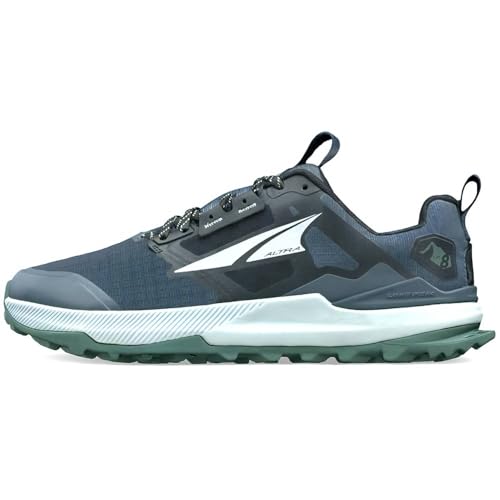
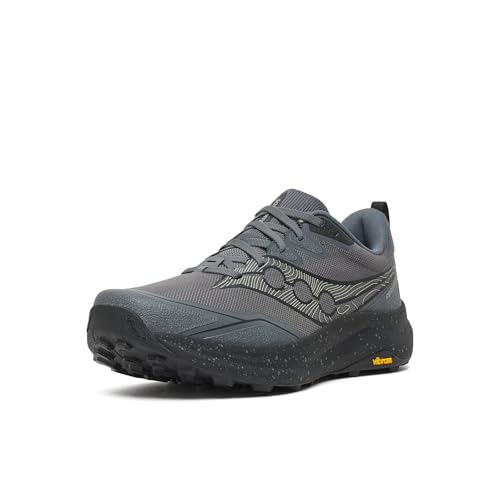
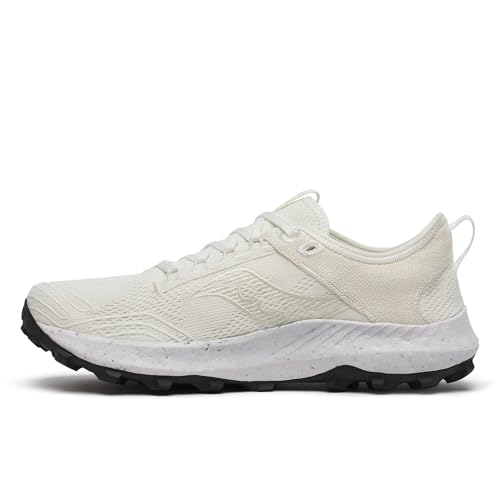
The Altra Lone Peak is the better candidate for runners already comfortable with zero drop who want a foot-shaped forefoot, flexible movement and direct trail feedback. The Saucony Peregrine is the stronger choice for runners who prefer a more conventional geometry, a secure performance fit and agile handling without moving into maximal cushioning. Start with drop history, not toe-box preference. A runner who has never used zero-drop shoes should not select the Lone Peak solely for room and immediately preserve normal mileage. Conversely, a runner whose toes feel constrained in tapered shoes may find the Peregrine precise but limiting. Both are versatile, but they ask different things from the foot and lower leg.
The Core Difference Is Geometry, Not Branding
These shoes are often cross-shopped because both provide trail feel and everyday versatility, yet their foundations are fundamentally different. The Lone Peak is built around a level heel-to-forefoot relationship and an anatomical forefoot concept. That combination encourages a particular stance and gives the toes space to spread, but it also shifts load compared with conventional shoes. The Peregrine uses a more familiar running-shoe transition and a closer performance wrap. It feels designed to respond quickly to direction changes and to hold the foot neatly when terrain becomes busy. Calling Lone Peak relaxed and Peregrine aggressive is too simple: adapted runners can move quickly in the Altra, while the Saucony can handle daily miles. Geometry determines which experience feels natural.
Fit from Heel to Toe
The Lone Peak's defining fit benefit is not indiscriminate width. Its forefoot shape allows toe splay, while the heel and midfoot still need to hold securely. A runner with a broad forefoot and narrow heel may love that balance; someone needing high volume through the entire shoe must still test carefully. The Peregrine typically offers a more sculpted hold. That can improve confidence during quick cornering and steep descents, provided the forefoot is not compressed. Width-labelled versions, when available in the current edition, may solve total-width needs better than sizing up. In both shoes, reject a fit that requires painful lacing pressure to stop forward movement. Extra length can create its own instability and is not a reliable substitute for the right shape.
Zero-Drop Transition and Lower-Leg Load
The Lone Peak's zero-drop platform is a decision gate because it may change how the calf, Achilles area and foot share work. That does not make it dangerous or universally difficult, but it makes abrupt adoption unwise for many runners. Begin with short, easy outings and preserve other familiar shoes while the body responds. Do not combine a shoe transition with a sudden mileage or climbing increase. The Peregrine asks less geometric adaptation from runners accustomed to conventional road or trail shoes. Its familiar transition can be valuable when the goal is simply to add trail grip without rebuilding a stride. Runners already thriving in zero drop should not assume the Peregrine is superior because it is conventional; for them, the Lone Peak may feel more natural from the first step.
As an Amazon Associate, we may earn from qualifying purchases.
View the mid-guide match on AmazonGround Feel, Flexibility and Protection
The Lone Peak lets the foot interact with terrain. Its flexible, lower-feeling character can help runners read cambers and adjust placement, and hikers often appreciate the natural movement. Protection remains present, but the sensation is not one of floating above the trail. Sharp, relentless rock may feel more demanding than it would in a heavily cushioned shoe. The Peregrine also preserves trail feedback, though it tends to feel more directed and performance-oriented. Its blend of protection and responsiveness suits runners who want to attack climbs or place feet quickly without a bulky platform. Neither is the ideal answer for someone whose chief complaint is late-run underfoot harshness on ultras. That buyer should compare more cushioned alternatives instead of forcing this duel to produce a winner.
Grip and Technical Confidence
On mixed singletrack, both shoes can provide useful traction, but confidence arrives differently. The Lone Peak's natural platform and toe freedom can make uneven ground feel manageable when the runner values foot articulation. The Peregrine's closer hold and agile personality can feel sharper through corners and rapid changes in direction. For soft mud, verify the exact variant and lug intent; a dedicated soft-ground version may be more relevant than the standard model. On wet rock, no broad claim should replace current outsole verification and local experience. The right shoe should stay centered on the foot during braking. If the heel lifts or toes jam during a controlled descent test, theoretical outsole advantages matter less than the fit failure.
Distance, Pace and Hiking Crossover
The Lone Peak has an established appeal among runners and hikers who want one flexible, roomy platform for long days, particularly when they are adapted to zero drop. Room for natural toe spread can become more valuable as feet swell, though excessive volume can allow movement. The Peregrine makes a persuasive daily trail trainer and faster-effort shoe for runners who prefer a more conventional fit. It can hike, but its appeal is strongest when precise running response matters. For long distances, neither shoe should be judged by category reputation. A runner who finishes two-hour outings with comfortable calves and feet in the Lone Peak may extend it gradually. A Peregrine user who develops forefoot pressure late should solve fit before assuming more cushioning alone is required.
Choose the Lone Peak When
Select the Lone Peak when you already tolerate zero drop, toe splay is essential, and you enjoy a flexible, ground-connected ride. It is also logical for mixed running and lightweight hiking when natural foot movement outweighs the desire for a tightly sculpted performance fit. Skip it for now if you need a conventional transition immediately, dislike feeling trail texture or cannot commit to a gradual adaptation period. Use the left product field only: the exact Amazon product card on this page. The link should resolve to the current Lone Peak, not to another Altra family that happens to appear first in search. Confirm the exact version and fit category before describing edition-specific upper changes.
Choose the Peregrine When
Select the Peregrine when agile control, a secure hold and an easy move from conventional running shoes are higher priorities than maximum toe splay. It fits runners who enjoy feeling the trail but want that feedback within a more directed, performance-shaped package. Skip it if a tapered forefoot has repeatedly caused toe pressure, or if long rocky outings leave you needing significantly more cushion. Use the separate right product field only: the exact Amazon product card on this page. Do not point a Peregrine call to action toward the Lone Peak, and do not assume the standard and soft-ground Peregrine variants solve the same terrain problem. Variant names and current availability require verification.
Final Verdict
The Altra Lone Peak wins for the zero-drop-adapted runner seeking toe freedom, flexible movement and a natural trail relationship. The Saucony Peregrine wins for the runner seeking a conventional transition, more sculpted lockdown and nimble handling. The choice should follow three filters in order. First, are your lower legs already comfortable in zero drop? If not, Peregrine is the simpler immediate option. Second, does your forefoot need anatomical room that ordinary performance fits fail to provide? If yes, Lone Peak deserves the first try. Third, do you prefer free movement or precise containment on technical ground? Neither model is a consolation prize; each is coherent for a different runner. Fit-test both on an incline, because toe collision or heel slip overrides every design argument.
People also ask
Questions that extend this decision
Which has more usable toe room, Lone Peak or Peregrine?
The Lone Peak is designed around a more foot-shaped forefoot and is usually the first model to try when toe splay drives the purchase. The Peregrine may work in an appropriate wide version, but its overall hold remains more performance-shaped. Toe room should not come at the cost of downhill sliding.
Can a runner switch directly from Peregrine to Lone Peak?
A runner can change shoes, but maintaining full mileage immediately may overload tissues not accustomed to zero drop. Introduce the Lone Peak through shorter easy sessions while retaining the Peregrine or another familiar shoe. Increase use only when calves, feet and Achilles area remain comfortable during and after running.
Which is better for rocky technical trails?
The Peregrine may suit runners who rely on close lockdown and quick placement, while the Lone Peak can suit runners who value articulation and a wider toe base. For relentless sharp rock, protection preference matters. Anyone wanting substantial isolation from rock should also compare a more cushioned technical model.
Which model is better for thru-hiking?
The Lone Peak's flexible, foot-shaped design makes it a popular type of choice for long walking days, especially among zero-drop-adapted hikers. The Peregrine can be better for hikers who want conventional geometry and firmer technical security. Pack weight, foot swelling and prior shoe history should guide the decision.
How should calf or Achilles sensitivity affect the choice?
It should make the zero-drop transition a serious consideration. The Peregrine's conventional geometry may be the simpler option for someone currently sensitive, but footwear is not medical treatment. Reduce training changes, seek qualified advice for persistent pain, and do not use a comparison article to diagnose an injury.
Final verdict
Choose the tradeoff you understand.
The Altra Lone Peak is the better candidate for runners already comfortable with zero drop who want a foot-shaped forefoot, flexible movement and direct trail feedback. The Saucony Peregrine is the stronger choice for runners who prefer a more conventional geometry, a secure performance fit and agile handling without moving into maximal cushioning. Start with drop history, not toe-box preference. A runner who has never used zero-drop shoes should not select the Lone Peak solely for room and immediately preserve normal mileage. Conversely, a runner whose toes feel constrained in tapered shoes may find the Peregrine precise but limiting. Both are versatile, but they ask different things from the foot and lower leg. Fit comes first, the repeated session demand comes second, and the exact current product identity comes third. Use Amazon to verify sizes and options without relying on stale price or stock claims.
As an Amazon Associate, we may earn from qualifying purchases.
Check current options on Amazon