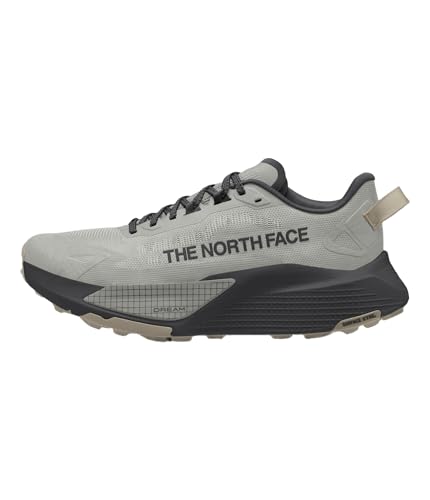
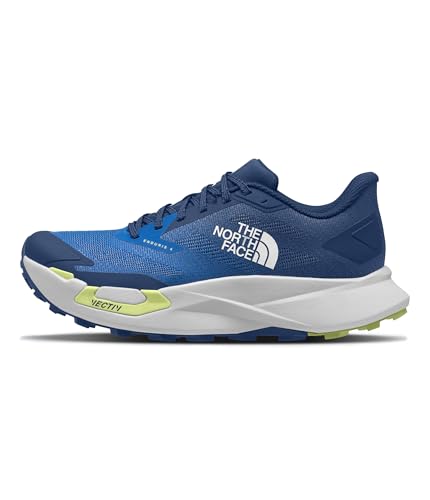
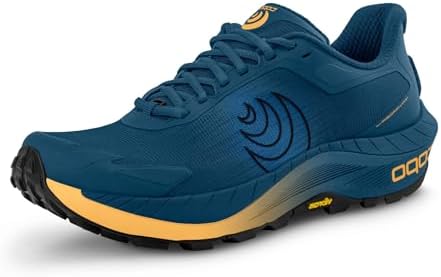


Drop is a difference, not a total height
Shoe specifications often put stack height and drop beside each other, which makes them easy to blur together. Stack height describes how much material sits beneath a particular part of the foot. Drop describes the difference between the heel stack and forefoot stack. If a shoe measures 32 mm at the heel and 26 mm at the forefoot, its stated drop is 6 mm. A shoe measuring 24 mm and 18 mm also has a 6 mm drop, even though the two platforms may feel very different underfoot.
That distinction matters on trails. A runner can choose a low-drop shoe with abundant cushioning, a higher-drop shoe with modest cushioning, or almost any combination between those poles. Rock plates, foam firmness, outsole thickness, platform width, toe spring, and the way the foot sits inside the midsole walls can all change the ride. Drop is therefore best treated as one coordinate in the shoe's geometry, not a shorthand for minimalist, cushioned, stable, or fast.
A practical way to read the common bands
The boundaries between zero, low, moderate, and higher drop are conventions rather than laws. It is still useful to group shoes for comparison. Zero drop means the listed heel and forefoot heights are equal. Low drop commonly covers roughly 1–4 mm. A moderate band often covers about 5–8 mm, while higher-drop models commonly begin around 9 mm. Brand measurement methods and production tolerances mean the printed number should not be treated like laboratory precision.
These bands help narrow a catalog, but they do not predict an exact sensation. Two shoes with the same listed drop can feel unlike one another because one has a flexible forefoot and the other uses a stiff rocker, or because one heel compresses more under load. Even size can influence the listed geometry. Think in bands first and individual models second. If you are happy in a 6 mm shoe, comparing 5–8 mm options is usually more coherent than insisting every candidate must also say 6 mm.
What changes when drop changes
Altering heel-to-toe offset can change where a runner notices work and tension, but there is no universal response. Lowering the heel may ask more of the foot, calf, and Achilles complex, especially when the change is large or combined with a sudden increase in distance or climbing. A higher offset may feel more familiar to runners who have spent years in traditional road shoes. These are tendencies, not diagnoses or promises about injury.
Trail context complicates the picture in a useful way. On steep climbs, the slope already changes the relationship between the lower leg and the ground. On descents, braking, foothold, and platform geometry may dominate what a runner perceives. Uneven ground also means the foot rarely lands on a perfectly level surface. That is why a one-millimeter paper comparison is less important than the complete shoe on the terrain you actually run. Drop can steer the shortlist; fit, control, and comfort must finish the decision.
Start from your current comfortable shoe
Before choosing a number, look up the specifications of the shoes in which you already complete ordinary runs comfortably. Record their stated drop, but also note whether they are soft or firm, flexible or rockered, broad or narrow underfoot. That gives you a meaningful reference instead of an abstract ideal. If two comfortable pairs sit in the same band, that band is a sensible default for a new trail shoe.
If you do not know your current drop, there is no need to guess from your foot strike. Search the manufacturer's specification for the exact model and edition because names can persist while geometry changes. When no reliable figure is available, choose by terrain, fit, and ride first, then treat drop as unknown. The Trail Shoe Finder can leave the drop question open and still produce a useful profile. An unanswered specification is more honest than a confident but unsupported recommendation.
As an Amazon Associate, we may earn from qualifying purchases.
View the mid-guide match on AmazonChanging drop without changing everything else
The clearest comparison changes one variable at a time. If you want to try a lower offset, look for a shoe with similar cushioning, intended terrain, and fit to your familiar pair. A wholesale switch from a firm higher-drop road shoe to a soft, high-stack, zero-drop trail shoe changes too many things to reveal what drop contributed.
Introduce the unfamiliar pair in short, easy outings on forgiving terrain. Alternate it with your usual shoe and pay attention to how your feet and lower legs respond later that day and the next morning. Progress is not a contest: repeat a manageable dose before adding duration or steepness. If discomfort persists or alters your movement, stop forcing the experiment. A qualified clinician can assess individual symptoms; a shopping guide cannot. Some runners adapt happily to a different band, while others discover that the familiar geometry simply works better.
Match the whole platform to the trail
For smooth gravel and mellow singletrack, many drop bands can work because predictable footing places fewer demands on the platform. On rocky or off-camber terrain, pay close attention to lateral security, platform width, torsional behavior, and how securely the upper holds the foot. A very tall shoe can have a low drop; a low number does not automatically mean close contact with the ground.
For long days, the preferred combination is personal. Some runners enjoy a generous stack with a moderate offset, while others prefer a flatter platform and more feedback. For mud, lug shape and spacing matter more than drop. For road-to-trail use, transition smoothness and outsole coverage may be more noticeable. Use drop to keep the ride familiar or to stage a deliberate experiment, then let the trail requirements decide the rest of the shoe.
Use the helper as a filter, not a verdict
The Terrain, Drop & Fit Helper asks what drop you already use comfortably and whether you want familiarity or comparison. Choosing familiarity keeps the same broad band at the front of the results. Choosing an adjacent comparison widens the options and adds a transition note. Selecting “I don't know” removes drop as a hard recommendation and directs attention to terrain and fit.
That is the right level of confidence for this specification. A result such as “start with moderate-drop, roomy, rocky-trail shoes” is a shopping profile, not a biomechanical prescription. Check the exact model edition, try the shoe with the socks you use on trails, and make sure heel hold and forefoot room still work when the route tilts. The useful question is not “Which drop is best?” It is “Which complete shoe lets me run my usual terrain comfortably, and how large a change am I making from what I know?”
People also ask
Questions that extend this decision
Is zero drop the same as a minimalist trail shoe?
No. Zero drop only says the heel and forefoot have the same listed height difference. A zero-drop shoe can have a thick, cushioned midsole, while a minimalist shoe generally emphasizes less material and more flexibility. Check stack height, foam, rock protection, and flexibility separately.
Does a heel striker need a high-drop trail shoe?
Foot strike alone does not prescribe a drop. Terrain, speed, fatigue, shoe geometry, and individual movement all affect how the foot lands. Start with models similar to shoes you already use comfortably, then compare other bands gradually if you have a reason to change.
Can a lower drop affect my calves or Achilles?
Some runners notice more demand in the foot, calf, or Achilles region after lowering drop, particularly when the change is large or mileage increases quickly. That response is individual. Introduce a new geometry gradually and seek qualified help for persistent pain.
Should my road and trail shoes have the same drop?
They do not have to match, but keeping them in a similar band reduces one source of change. If terrain needs point to a different trail shoe, account for cushioning, rocker, stack, and fit as well as drop, then ease the new pair into the rotation.
Why do two shoes with the same drop feel different?
Drop is only one measurement. Foam compression, heel bevel, rocker, forefoot flexibility, platform width, upper hold, and outsole geometry can all change the ride. Treat the stated number as a shortlist filter, then judge the full shoe.
Final verdict
Choose the tradeoff you understand.
Heel-to-toe drop is the difference in height between the heel and forefoot inside a shoe. A 6 mm shoe places the heel about 6 mm higher than the forefoot; it may still be highly cushioned or relatively low to the ground. The most useful starting point is the drop you already run in comfortably, followed by a gradual comparison if you want something different. Fit comes first, the repeated session demand comes second, and the exact current product identity comes third. Use Amazon to verify sizes and options without relying on stale price or stock claims.
As an Amazon Associate, we may earn from qualifying purchases.
Check current options on Amazon