


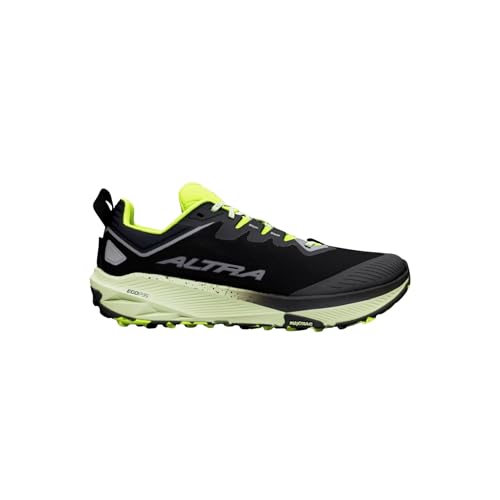
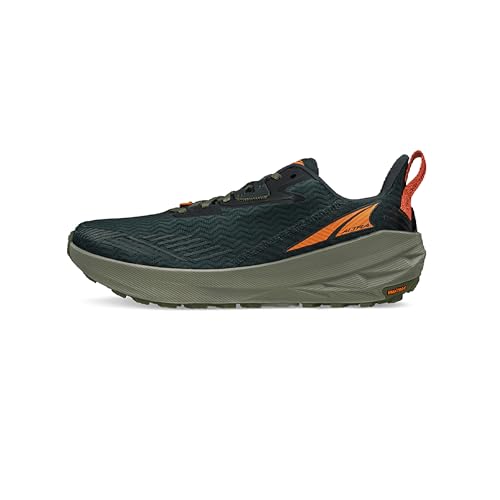

The half-size-up rule is a starting question, not an answer
Runners often hear that trail shoes must be half a size larger than everyday shoes. The advice survives because feet can swell and toes can hit the front on descents, but it is too blunt to work for everyone. Shoe sizes are labels applied to different internal shapes. Two models marked the same size can differ in usable length, toe-box taper, midfoot volume and heel hold. Your street-shoe size may also be based on a casual fit that would never work while running. Instead of beginning with a fixed increase, begin with your measured feet and the way the shoe behaves in motion. Try your usual running-shoe size, the adjacent half size and any available width that may suit your foot. The correct option is the smallest combination that gives safe toe clearance without compromising control. Sometimes that is your regular size; sometimes it is longer, wider or simply a different model.
Why feet seem to need more room on trails
Several trail conditions make a close-fitting shoe feel smaller over time. Heat and prolonged standing can increase foot volume. Long distances create repeated loading, and the forefoot may spread as the miles accumulate. On descents, braking moves the foot toward the front of the shoe. Thick socks, waterproof liners and high-volume insoles consume space before the run begins. None of these automatically demands more length. Swelling may occur across the forefoot or instep, where a wide size or higher-volume upper works better. Forward movement may be caused by poor heel lockdown, which a longer shoe can make worse. Treat the cause rather than the symptom. If toes touch only while descending, secure the heel and test again. If the entire forefoot feels compressed late in a run, compare widths and upper shapes as well as lengths.
When going up half a size makes sense
A half size can be useful when the shorter option fits well through the heel and width but leaves inadequate space beyond the toes. It may also be sensible for ultramarathons, all-day adventures or hot conditions if you know your feet swell substantially. The larger size still needs to pass a control test: the heel should remain planted, the midfoot should not drift and the shoe should bend near the ball of your foot rather than ahead of it. Runners with one foot clearly longer than the other normally fit the larger foot. The smaller side can sometimes be tuned with lacing, sock thickness or a small volume reducer recommended by a fitter. Size up because a specific test shows that you need length, not because a forum, friend or shoe box presents the increase as universal.
When a larger size creates new problems
Extra length does not create width in the right places. If the forefoot is squeezed but the toes already have plenty of front clearance, moving up can leave you with a long shoe that still pinches at the sides. A loose heel may lift, and the foot may slide forward until the toes hit anyway. Excess space can also allow the foot to rotate over the platform on technical ground, causing friction and reducing confidence. Watch the flex point: if the shoe creases well ahead of the ball of your foot, the size may be too long and the ride can feel awkward. Do not assume thick socks will solve an oversized trail shoe. Padding may reduce empty volume, but it also adds heat and changes moisture management. The most reliable fix for a shape mismatch is a better-shaped model.
As an Amazon Associate, we may earn from qualifying purchases.
View the mid-guide match on AmazonWidth, toe-box shape and volume are different
A wide label usually adds space around part or all of the shoe, but the exact change varies by manufacturer. A wide toe box may flare around the toes while retaining a normal-width heel. High volume refers to vertical as well as horizontal space, which matters to runners with a tall instep. These distinctions explain why two people who both describe wide feet can need very different shoes. One may require a true wide platform through the midfoot; another may need only a less tapered toe shape. Before increasing length, locate the pressure. Side pressure at the ball of the foot suggests width. Pressure on top suggests volume or lacing. Contact at the front suggests length or forward sliding. A precise description saves more time than repeatedly ordering larger sizes.
A practical sizing test for home or store
Try shoes near the end of the day with your normal trail socks and any insole you plan to use. Lace both feet evenly, then walk briskly for several minutes. On a safe incline or step, face downhill with bent knees and press forward. Your toes should remain clear of the front. Turn, sidestep and rise onto your toes. The heel should stay seated and the midfoot should not roll around. Compare the two closest sizes without looking at the labels for a moment; notice which one makes movement feel more natural. Check for pressure after the foot has warmed rather than deciding immediately. If shopping online, keep the test indoors on a clean surface until you are certain. A generous return policy is useful, but preserving the outsole protects your ability to use it.
Size for the route you actually run
A one-hour run on cool, smooth trails places different demands on fit than a summer 50K with long descents. For ordinary outings, avoid carrying unnecessary space for hypothetical swelling. For ultra-distance use, test the candidate late in a long training day when your feet are already warm. Technical terrain increases the value of precision, so the larger option must not sacrifice side-to-side hold. Winter socks and waterproof uppers can require more volume, but buying one oversized pair for every season often produces a mediocre fit year-round. If your winter setup is substantially thicker, a separate size or model may be justified. The honest answer to sizing up is therefore conditional: make room for known needs while protecting the control that makes a trail shoe useful.
How to make the final call
Choose the larger size when the smaller one has clear front contact or inadequate swelling room and the larger one still locks down securely. Choose a wide or roomier shape when pressure is across the sides or top rather than at the end. Keep your normal size when it passes the descent test and remains comfortable after several minutes of movement. Reject both sizes if the heel, arch or toe-box shape never feels right. A shoe is not a commitment to a brand's sizing system; it is a tool that must match your foot. Record the exact model, version, size and width when you find a successful fit, because a redesign can change the next version even when the number on the box stays the same.
People also ask
Questions that extend this decision
Should trail running shoes be a half size bigger than road shoes?
Not necessarily. If your road shoes already provide good running clearance and the trail model has a similar shape, the same size may work. Compare both sizes and keep the one that protects the toes without allowing heel or midfoot movement.
Should I size up for a trail ultramarathon?
Only if long training runs show that swelling or descents use up your current toe space. Test the larger size when your feet are warm and tired. It must still feel controlled on uneven ground, not merely comfortable while standing.
Can I size up instead of buying a wide shoe?
Sometimes, but it is usually an imprecise fix. Added length may not relieve pressure at the widest part of the foot and can create heel slip. Try the same length in a wide width or a less tapered model first.
What if one foot needs a larger size?
Fit the larger foot so its toes are protected. The smaller foot may respond to different lacing, a slightly thicker sock or professional fitting adjustments. Never force the larger foot into the smaller shoe to make the pair feel symmetrical.
Do waterproof trail shoes fit smaller?
A membrane and its construction can make some waterproof versions feel less flexible or lower in volume, but this varies by model. Try the waterproof version itself rather than assuming it fits exactly like the mesh shoe with the same name.
Final verdict
Choose the tradeoff you understand.
Do not size up automatically. Choose the length and width that keep your heel secure, leave your toes clear of the front on descents and allow for the swelling you actually experience. A half-size increase can help on long, hot outings, but a wider or differently shaped shoe is often a better solution than extra length. Fit comes first, the repeated session demand comes second, and the exact current product identity comes third. Use Amazon to verify sizes and options without relying on stale price or stock claims.
As an Amazon Associate, we may earn from qualifying purchases.
Check current options on Amazon