

Quick Answer
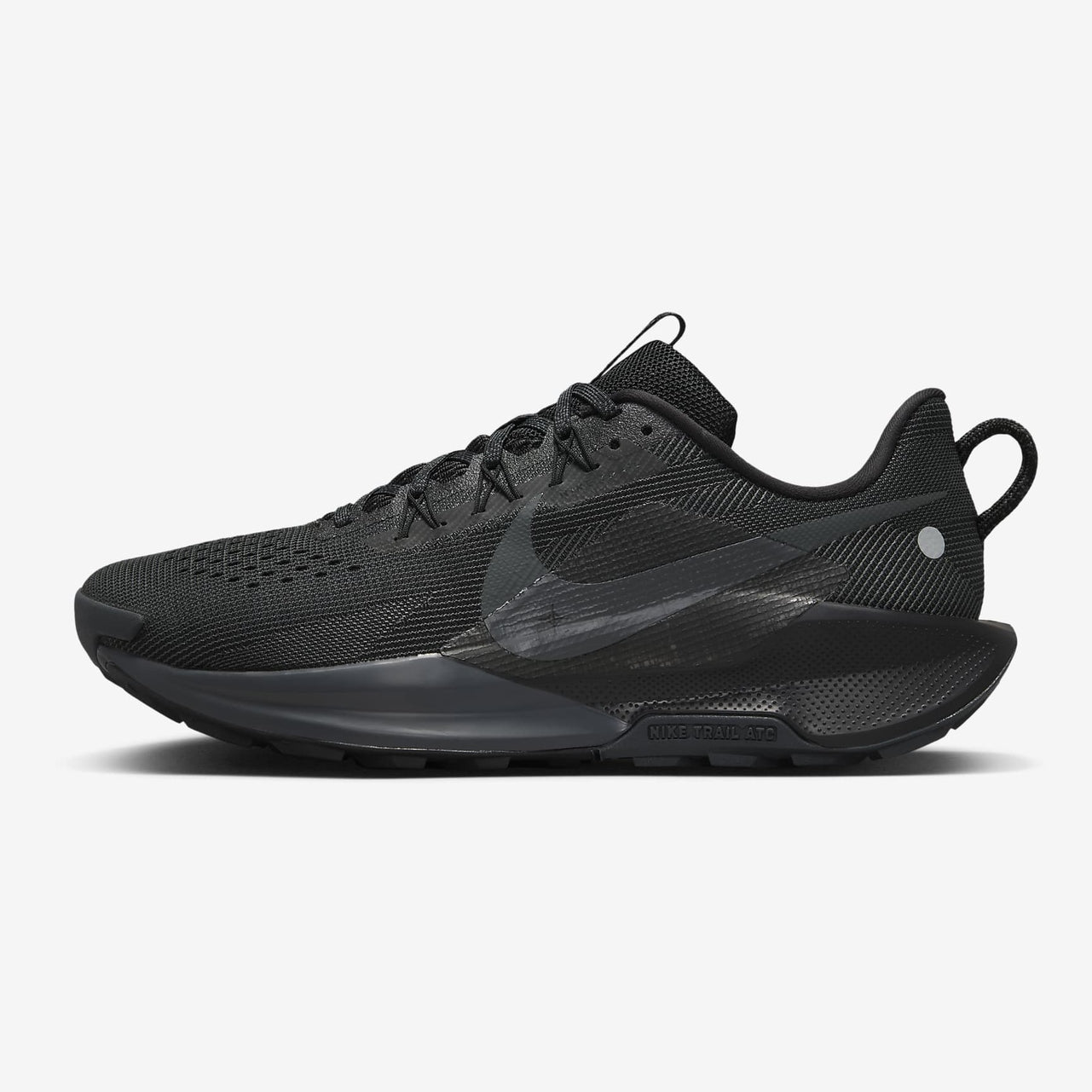
Choose the Nike Pegasus Trail when you want a familiar, road-shoe-like transition for routes that begin at the door, spend meaningful time on pavement and continue onto gravel or moderate trail. Choose the New Balance Fresh Foam X Hierro when the trail portion is more important and you prefer a softer, more protective cruising sensation, particularly if current width choices suit your foot. Neither is the default for deep mud or severe technical terrain. The practical tie-breaker is weekly route composition: runners doing more road and smooth path should start with Pegasus Trail, while runners doing more hardpack and nontechnical singletrack should start with Hierro. Fit and current-edition outsole details must confirm the choice.
What a Road-to-Trail Shoe Must Compromise
Road and trail ask an outsole to do conflicting things. Pavement rewards broad, smooth contact and unobtrusive transitions. Loose trail rewards penetration, edge and protection from irregular ground. Pegasus Trail and Hierro both occupy the useful middle, but they lean in different directions. Nike preserves more of the Pegasus family's accessible rolling character, then adds the coverage and upper security needed for light trail. New Balance makes the Hierro feel more like a cushioned trail cruiser that is civilized enough for road connectors. That distinction prevents an unhelpful best-overall verdict. A hybrid is valuable when the route itself is hybrid. If ninety percent of the run is asphalt or technical mountain terrain, a dedicated shoe may outperform either compromise.
Pavement Comfort and Door-to-Trail Flow
Pegasus Trail has the more intuitive case for pavement-heavy routes. Its transitions are intended to feel familiar to runners who already understand daily road trainers, and the outsole is not so trail-specific that every landing calls attention to the lugs. That makes it appealing for urban runners who cover streets before reaching park paths. Hierro can handle road connectors, but its identity is more protective and trail-facing. Runners who enjoy a softer cruising feel may still prefer it on pavement, although the outsole can feel like extra equipment when the run never leaves hard surfaces. Both will accumulate wear according to surface, gait and outsole construction. No fixed mileage promise belongs here. If pavement regularly exceeds the trail portion, compare a road shoe too rather than assuming a hybrid is mandatory.
Gravel, Hardpack and Moderate Singletrack
On gravel and smooth hardpack, the two models are closest. Pegasus Trail feels nimble and approachable, making it easy to maintain rhythm when the route shifts frequently between path types. It suits recreational trail runs where protection is helpful but exact foot placement is not the day's main challenge. Hierro brings more of a trail-cruiser demeanor. Its cushioning and outsole intent can feel reassuring on longer hardpack routes and moderate singletrack, particularly for runners who want less trail chatter. The New Balance may be the better choice when the route is mostly off-road even if it is not technical. The Nike may be better when trail appears as a segment within a broader mixed-surface run. On loose corners, fit security matters as much as outsole pattern; sliding inside the shoe weakens either model's control.
Cushioning Character and Stability
Cushioning quantity does not tell the whole story. Pegasus Trail tends to appeal to runners who want a balanced daily-trainer sensation that can change surfaces without feeling dramatically different. That continuity can make pacing easier and reduce the sense of wearing a specialized tool. Hierro's cushioning is a larger part of its personality. Runners seeking a forgiving cruise may find it better suited to steady long outings, while runners who prefer crisp feedback could find it less direct. Stability should be evaluated dynamically. A soft shoe can still have a supportive footprint, and a familiar shoe can still move if the fit is wrong. Test turns, cambers and walking descents. The preferred model should settle without ankle unease and remain predictable as pace slows late in the run.
Fit, Sizing and Width Choice
Nike and New Balance serve different foot shapes across their broader ranges, but brand reputation cannot replace trying the current models. Pegasus Trail should hold the heel and midfoot securely without creating pressure across the forefoot. Runners who already wear a road Pegasus may find the trail version familiar, yet should not assume identical sizing or volume. Hierro is often considered by runners looking for width choices and a more accommodating trail cruiser, but a width label still needs heel and instep verification. Sizing up to create width can put the flex point in the wrong place and increase downhill movement. Try both with normal socks, later in the day if possible. Leave swelling room, then use an incline to ensure toes do not strike the front.
Where Both Shoes Reach Their Limits
Neither model should be sold as a technical mountain specialist merely because it has trail branding. Deep mud may require more pronounced, widely spaced lugs. Sharp rock and sustained scrambling may call for firmer protection, tighter edging or a more secure technical upper. Steep wet terrain also magnifies outsole-condition and fit issues. Pegasus Trail is most at home before routes become severe; Hierro can extend farther into ordinary trail, but cushioning does not substitute for specialized handling. Runners whose weekend terrain includes exposed traverses or relentless rock should compare models built expressly for that use. A hybrid shoe is successful when it disappears across moderate transitions, not when it barely survives a terrain category outside its design center.
Walking, Travel and Everyday Use
Both shoes can appeal beyond running because hybrid outsoles and cushioned midsoles work on varied everyday surfaces. Pegasus Trail is the simpler travel choice when days mix sidewalks, parks and light dirt paths. Its road-oriented ease makes it less conspicuous underfoot during long urban sections. Hierro makes sense for trips centered on national-park paths, gravel walking and easy hiking, especially for travelers who value cushion over a streamlined sensation. This crossover should not be described as a durability or orthopedic guarantee. Walking comfort still depends on fit, and trail outsole rubber can wear differently on pavement. If the shoe will be used mostly for casual walking, compare it with walking or road options rather than paying for trail capability that remains unused.
Choose Pegasus Trail for Road-Heavy Mixed Routes
Select Pegasus Trail if your normal run starts with pavement, includes smooth gravel or park trail, and returns to road. It is also the logical first try for runners who want trail capability without abandoning a familiar daily-trainer rhythm. Skip it if the route is predominantly rocky, muddy or sharply technical. Use the left product field only: the exact Amazon product card on this page. Confirm that the exact link resolves to the current Pegasus Trail rather than the road Pegasus or a different Nike trail family. Edition-specific upper, outsole and weatherproof claims must be checked before publishing. If the exact left URL is unavailable, show the model name without an affiliate button.
Choose Hierro for Trail-Heavy Cruising
Select Hierro if most miles occur on hardpack, gravel and moderate singletrack and you want a cushioned, protective feel that can tolerate road connectors. It is especially worth trying when New Balance's current width choices solve a fit problem, though a comfortable heel and midfoot remain required. Skip it if you want sharp ground feedback or regularly tackle deep mud and highly technical rock. Use the distinct right product field only: the exact Amazon product card on this page. The label should name Fresh Foam X Hierro clearly, and it must not point to Pegasus Trail. Verify the current edition and any membrane designation rather than carrying over specifications from an older Hierro review.
Final Verdict
Nike Pegasus Trail wins for road-heavy door-to-trail routes, familiar transitions and runners who want one shoe to move smoothly through frequent surface changes. New Balance Fresh Foam X Hierro wins for trail-heavy routes, cushioned cruising and buyers who find a better match among its current fit options. Neither wins deep mud or severe technical terrain; that is the moment to leave this comparison and choose a specialist. To break a close tie, map a normal week instead of an aspirational adventure. If pavement and smooth paths form most of the mileage, start with Nike. If hardpack and moderate singletrack form most of it, start with New Balance. Then confirm heel hold, toe clearance and cornering stability. The better hybrid is the one that compromises least on the surfaces you actually repeat.
People also ask
Questions that extend this decision
Which shoe feels smoother on pavement connectors?
Pegasus Trail is generally the stronger starting point because its design leans toward a familiar road-to-trail transition. Hierro remains usable on pavement, particularly for runners who like a softer feel, but its trail-cruiser character may be more noticeable. Fit can still reverse the preference.
Is Hierro or Pegasus Trail better for wide feet?
Check the current width offerings rather than relying on brand stereotypes. Hierro may provide more formal width options in some editions, while Pegasus Trail may fit certain wide forefeet well in its standard shape. Width, instep volume and heel width are separate variables and should be tested.
Can either shoe handle wet technical rock?
Both may cross wet rock, but neither should be treated as an unconditional wet-technical specialist. Rubber compound, outsole wear, surface film and foot security all matter. If wet rock defines the route, compare dedicated technical models and consult current outsole information from the manufacturers.
Which model is better for walking and travel?
Pegasus Trail is usually the more versatile choice for city pavement mixed with parks and easy paths. Hierro may suit a trail-centered trip or a traveler wanting a cushioned cruise. Try both under walking pace, because a shoe that feels good while running can flex differently during a full day on foot.
How much road mileage is too much for a trail outsole?
There is no universal threshold because rubber, gait, surface texture and body mass change wear. Inspect the outsole regularly for rounded lugs or uneven abrasion and replace the shoe when traction or ride has meaningfully deteriorated. Mostly-road runners should compare a road shoe rather than chase a mileage number.
Final verdict
Choose the tradeoff you understand.
Choose the Nike Pegasus Trail when you want a familiar, road-shoe-like transition for routes that begin at the door, spend meaningful time on pavement and continue onto gravel or moderate trail. Choose the New Balance Fresh Foam X Hierro when the trail portion is more important and you prefer a softer, more protective cruising sensation, particularly if current width choices suit your foot. Neither is the default for deep mud or severe technical terrain. The practical tie-breaker is weekly route composition: runners doing more road and smooth path should start with Pegasus Trail, while runners doing more hardpack and nontechnical singletrack should start with Hierro. Fit and current-edition outsole details must confirm the choice. Fit comes first, the repeated session demand comes second, and the exact current product identity comes third. Use Amazon to verify sizes and options without relying on stale price or stock claims.
As an Amazon Associate, we may earn from qualifying purchases.
Check current options on Amazon