

Quick Answer
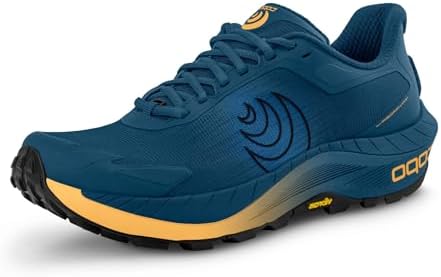
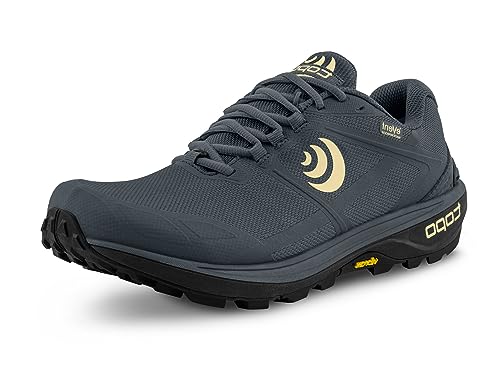
A low-drop trail shoe usually places the heel about 1–4 mm higher than the forefoot. It can encourage a different loading pattern, but it does not guarantee a particular foot strike, improve technique by itself, or suit every runner. Choose it because the geometry feels compatible with your stride and terrain, not because a small number sounds more natural. Transition with short, easy runs while keeping familiar shoes in rotation. Monitor calves, Achilles tendons, arches, and forefeet, since those tissues may receive more work. Cushioning, stability, width, and lug design remain independent choices; a low-drop shoe can be tall or low, soft or firm, technical or road-to-trail.
What Does Low Drop Actually Measure?
Heel-to-toe drop is the difference between heel stack and forefoot stack, not the total thickness of the sole. A shoe with 32 mm under the heel and 28 mm under the forefoot has a 4 mm drop despite substantial cushioning. Another with 18 mm and 14 mm shares the same drop but provides far more ground feel. Published measurements may differ from laboratory findings and can change slightly with size, so use them as categories rather than perfect absolutes. Low drop also differs from zero drop, where heel and forefoot are nominally level. More important than a one-millimeter distinction is how the geometry works with rocker, flexibility, foam, and your habitual footwear.
How Does Lower Drop Change Loading?
Reducing heel elevation can increase demand on the calf-Achilles complex and shift some load toward the foot and ankle. The effect varies with speed, slope, stride, and the runner's movement. A low number does not force a forefoot landing, nor does a higher drop prevent one. On climbs, many runners naturally load the forefoot regardless of shoe geometry. On descents, braking and fatigue may matter more than the label. Treat a drop change as a training change because tissues adapt to repeated load gradually. Initial tightness that resolves quickly is different from sharp pain, persistent soreness, or altered gait. Stop and seek qualified evaluation when symptoms are concerning instead of attempting to push through them.
Why Terrain Changes the Experience
On steep climbs, a lower heel can feel stable and connected because the ankle is already flexed. On rolling trail, the sensation depends heavily on midsole rocker and flexibility. Long descents may increase calf fatigue for some runners, while technical steps can make a level platform feel balanced to others. Surface irregularity adds another variable: a flexible, low-stack shoe asks the foot to adapt, whereas a high-stack low-drop shoe isolates the ground but may change leverage. Choose the outsole for mud, rock, snow, or gravel separately. Drop cannot rescue insufficient traction. A 3 mm shoe with the wrong lugs remains the wrong shoe, however comfortable its stance feels on a store floor.
As an Amazon Associate, we may earn from qualifying purchases.
View the mid-guide match on AmazonCushioning and Stability Are Separate Decisions
Low drop does not mean minimalist. Current designs range from flexible, close-to-ground shoes to maximal platforms built for ultras. Decide how much protection the route and distance require, then assess whether the base remains stable. A broad forefoot can complement low-drop geometry by supporting toe spread, but a wide toe box is not the same as a true wide size. Sidewalls, foam firmness, torsional structure, and upper hold determine whether the foot stays centered. If a tall low-drop model feels unstable, the issue may be stack and shape rather than drop. Conversely, a firm low-profile design may overload feet that are accustomed to plush foam even when the heel difference changes by only a few millimeters.
Build a Deliberate Transition
Begin with a short easy run on predictable ground, perhaps twenty to thirty minutes, and leave recovery before the next low-drop outing. Keep the familiar pair available for longer or harder sessions. Increase only one variable at a time: duration before speed, straightforward terrain before technical descents, and ordinary training before racing. Walking in the shoe can provide fit information but does not duplicate running load. Strength work may support adaptation, yet it should also progress gradually. Calendar plans are less useful than symptoms and response. Some runners adjust in weeks; others need months or decide the geometry is not beneficial. There is no prize for completing the transition quickly.
Use Fit Clues During the First Runs
A lower heel may let the foot sit differently within the upper. Check heel hold on climbs, toe clearance on descents, and pressure across the instep after the foot swells. Do not compensate for sliding by overtightening the forefoot. The last should secure the waist while allowing the toes to move. Notice where fatigue appears. Calf effort can reflect adaptation, but forefoot hotspots may signal insufficient protection or an incompatible shape. Record the route, duration, and next-day response rather than relying on memory. Comparing those notes with familiar-shoe runs helps separate geometry effects from a difficult trail, a hard workout, or normal training fatigue.
Questions to Answer Before Increasing Mileage
After each early outing, record next-morning calf and Achilles response, any forefoot tenderness, downhill toe movement, and how the shoe felt on climbs. Keep pace and route familiar so the geometry is the main new variable. Increase duration only when ordinary walking and the following run feel normal. If tightness accumulates across sessions, return to the familiar pair and allow recovery. Compare the same low-drop model at easy and moderate effort because faster running changes loading. A successful transition is visible in unremarkable notes: secure fit, predictable traction, no escalating symptoms, and no need to alter the stride consciously. Avoid making a simultaneous jump in weekly mileage, hill work, and shoe geometry. One controlled change makes the body's response easier to interpret and gives a clear point from which to retreat.
Final Verdict
Low-drop trail shoes are an option, not a progression every runner must complete. They make sense when the stance feels natural, the shoe matches the terrain, and gradual use produces no troubling symptoms. Select cushioning, outsole, stability, and width on their own merits, then treat the 1–4 mm geometry as another fit characteristic. The safest experiment is reversible: retain your normal pair, begin with short controlled outings, and expand only after the body responds well. If a low-drop model improves climbing comfort or overall flow without creating persistent calf, Achilles, arch, or forefoot problems, it may deserve a larger role. If it adds strain without a clear benefit, a more familiar drop is the better tool.
People also ask
Questions that extend this decision
What is considered a low-drop trail shoe?
A common working definition is a heel-to-toe difference of 1–4 mm. Zero-drop shoes form a separate level category, while moderate drops often begin around 5 mm. These bands are conventions, so the complete sole geometry matters more than a single borderline measurement.
Are low-drop shoes better for trail running?
Not universally. Some runners like their balanced stance and climbing feel; others perform better in a familiar moderate or higher drop. Grip, fit, stability, protection, and gradual adaptation affect trail performance more directly than claiming one geometry is best for everyone.
Can low-drop shoes hurt calves or Achilles tendons?
A drop reduction can increase demand on calves and Achilles tendons, especially when mileage changes quickly. Introduce the shoes gradually and stop for sharp, worsening, or persistent symptoms. Previous injury or ongoing pain warrants individual guidance from a qualified health professional.
How long does adapting to low drop take?
Adaptation ranges from several weeks to several months, and some runners never prefer the change. Progress by response rather than deadline. Short easy runs, recovery time, and continued use of familiar shoes provide a safer test than immediately moving all mileage into the new geometry.
Can a low-drop trail shoe still have high cushioning?
Yes. Drop measures the difference between heel and forefoot heights, not total stack. A shoe can place substantial foam under both ends while retaining a 1–4 mm difference. Evaluate high-stack stability and ground feel independently from the drop number.
Final verdict
Choose the tradeoff you understand.
A low-drop trail shoe usually places the heel about 1–4 mm higher than the forefoot. It can encourage a different loading pattern, but it does not guarantee a particular foot strike, improve technique by itself, or suit every runner. Choose it because the geometry feels compatible with your stride and terrain, not because a small number sounds more natural. Transition with short, easy runs while keeping familiar shoes in rotation. Monitor calves, Achilles tendons, arches, and forefeet, since those tissues may receive more work. Cushioning, stability, width, and lug design remain independent choices; a low-drop shoe can be tall or low, soft or firm, technical or road-to-trail. Fit comes first, the repeated session demand comes second, and the exact current product identity comes third. Use Amazon to verify sizes and options without relying on stale price or stock claims.
As an Amazon Associate, we may earn from qualifying purchases.
Check current options on Amazon