

Quick Answer
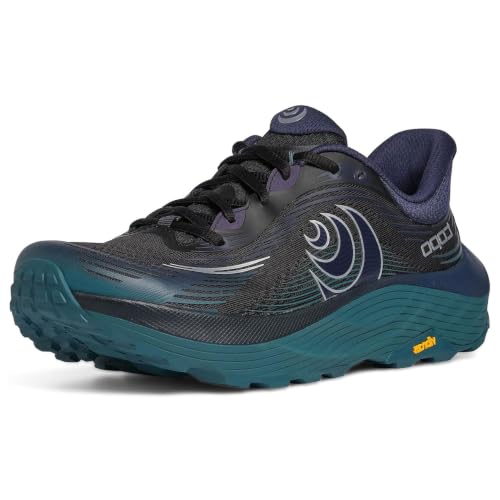
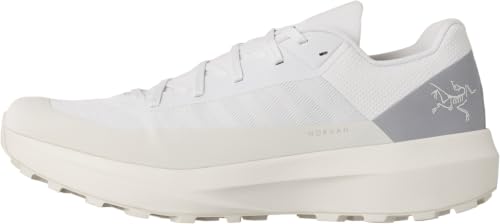
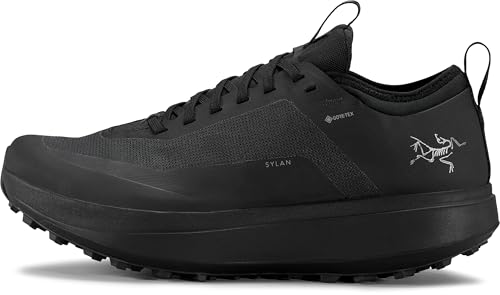
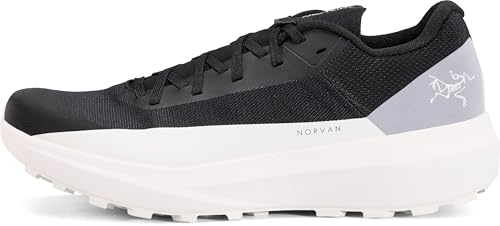
Max-cushion trail shoes can reduce the repeated harshness of long runs, but the tallest or softest option is not automatically the most comfortable. A useful design pairs substantial foam with a broad outsole, controlled sidewalls, dependable grip, and an upper that keeps the foot centered. Runners who spend hours on moderate trails often appreciate the protection; runners who want precise ground feedback on steep, irregular terrain may prefer less stack. Compare stability at the edge, not just softness under the heel. The best choice feels calm when only half the outsole lands on a root or sloped stone, and it remains supportive after the foam warms during a long outing.
What Makes a Trail Shoe Max Cushion?
Max cushion refers mainly to the amount of material between the foot and ground, usually expressed through a high stack height. It does not describe one particular sensation. A tall shoe may feel pillowy, firm, springy, or muted depending on foam chemistry, geometry, plate structures, and outsole thickness. Two models with similar measurements can ride very differently. Trail versions also need features that road measurements do not reveal: a stable contact area, traction on broken surfaces, sidewalls that guide the foot, and enough flexibility to adapt. Do not treat stack height as a score. Ask how the full platform manages impact, uneven loading, and toe-off. A shoe that uses its foam efficiently can feel more protective than a taller design that collapses or wobbles.
Who Benefits Most from Extra Underfoot Protection?
Long-distance runners often gain the clearest benefit because small impacts accumulate after several hours. Extra material can reduce the sharp sensation from firm ground and help tired legs maintain a smoother stride. Maximal cushioning may also suit larger runners, people who prefer an isolated ride, and anyone whose usual routes include long descents or hard-packed access roads. That does not make it a treatment for pain. Persistent discomfort, numbness, or gait changes deserve professional assessment rather than more foam. The runner still needs compatible fit and mechanics. Someone who dislikes thick platforms, frequently catches toes, or runs short technical loops may find a lower design more natural. Match protection to duration and surface, then judge whether it improves form late in the run rather than merely feeling impressive during the first few steps.
Does a High Stack Make a Shoe Unstable?
Height increases leverage when the shoe lands at an angle, but geometry can manage much of that effect. Look for an outsole that is wide relative to the upper, especially beneath the heel and forefoot. Raised sidewalls can cradle the foot inside the platform instead of placing it on top. Foam should compress progressively rather than folding suddenly along one edge. The upper also matters: a loose heel or stretchy midfoot lets the foot move before the outsole can provide support. Test stability by standing on a sloped surface and loading the outer edge gently. The shoe should resist abrupt tipping without feeling rigid. A high stack can be dependable on rolling trails, while a narrow, very soft version may feel nervous on cambers even if its straight-line ride is luxurious.
As an Amazon Associate, we may earn from qualifying purchases.
View the mid-guide match on AmazonMatch Outsole and Foam to the Terrain
Cushioning cannot compensate for an outsole chosen for the wrong ground. Smooth, dry paths favor moderate lugs and broad rubber contact. Mud requires deeper, spaced tread that can enter soft soil and release it. Rocky routes need durable rubber, secure edging, and enough protection from pointed pressure. The foam beneath that outsole should support the expected movement. Soft compounds can be pleasant on firm trails yet vague when tall lugs land at different depths. Firmer carriers or dual-density structures may steady the ride without making it harsh. Inspect exposed foam as well. Large uncovered areas reduce weight but can be cut by sharp stone. For a mixed route, choose an outsole that handles the hardest recurring section and a platform that remains predictable when the surface changes.
How Foam Changes During a Long Run
Foam does not feel identical at mile one and mile twenty. Repeated loading and warmth can make some materials softer, while cold temperatures can make others firmer. A model that seems slightly structured in a shop may settle into a comfortable rhythm; one that begins very soft may lose definition late in the day. Use a long training run before racing to learn whether the platform bottoms out, causes lateral movement, or changes toe-off as fatigue grows. Rotation can also extend useful life by allowing foam more recovery time between outings, though outsole wear and midsole creasing remain better evidence than a fixed mileage number. Replace a pair when cushioning becomes uneven, the shoe leans, grip is compromised, or familiar runs create new instability.
Fit, Drop, and the Transition Period
A maximal shoe still needs ordinary fit discipline. Leave descent room ahead of the toes, hold the heel securely, and avoid using tight laces to correct a last that is too wide. Thick midsoles may disguise a poor fit on level ground, but lateral trail movement exposes it. Heel-to-toe drop is separate from cushioning: a tall shoe can be zero drop, low drop, or conventional drop. Stay near a familiar geometry unless there is a reason to change, because added calf or knee loading can obscure whether the cushioning itself works. Introduce a new stack gradually, beginning on predictable routes. Learn how the shoe clears roots, corners, and descends before taking it into technical terrain or an all-day event.
A Short Max-Cushion Field Check
Run the candidate across a camber, a firm descent, and a few uneven landings. Confirm that the heel remains centered and the foam recovers without a delayed wobble. A quiet, controlled response under partial contact is more informative than softness on level flooring.
Final Verdict
Choose a max-cushion trail shoe when sustained protection improves the kind of running you actually do. The strongest candidate is not the softest under a thumb; it is the model that combines durable foam, a proportionate base, secure fit, and terrain-correct traction. Favor stability if routes are uneven, outsole coverage if rock is abrasive, and controlled comfort if distance is the priority. Keep expectations practical. A high platform can reduce harshness, but it cannot create grip, repair an incompatible fit, or replace gradual conditioning. Test the shoe beyond a short easy run and pay attention to its behavior after fatigue appears. If foot placement remains confident and the legs feel less battered without a loss of control, the extra cushion is doing useful work.
People also ask
Questions that extend this decision
Are max-cushion shoes good for trail running?
They can be excellent for long, firm, or rolling trails when the base is stable and the outsole matches the surface. Their main benefit is sustained underfoot protection. Very tall, soft designs may feel less precise on steep off-camber terrain, so evaluate control as carefully as comfort.
Do highly cushioned shoes cause ankle rolls?
Cushion alone does not cause every ankle roll, but greater height can increase leverage on angled landings. A broad platform, supportive upper, controlled foam, and good foot placement reduce that concern. Runners with instability history should introduce high-stack shoes cautiously and seek qualified advice when needed.
How long do max-cushion trail shoes last?
There is no universal mileage. Terrain, body weight, gait, foam, and outsole compound all affect lifespan. Watch for uneven compression, leaning, deadened response, torn exposed foam, and worn traction. Those changes matter more than a number printed in a training log.
Are max-cushion shoes suitable for technical trails?
Some are, particularly those with a wide footprint, secure upper, protective sidewalls, and precise outsole. Others prioritize smooth long-distance comfort. Test angled rocks, quick direction changes, and steep descents before assuming a tall shoe will feel controlled simply because it carries a technical outsole.
Who should avoid a high-stack trail shoe?
Runners who strongly prefer ground feel, frequently catch their toes, or feel unstable on tall platforms may be happier with moderate stack. Anyone experiencing persistent pain or balance problems should obtain individual professional guidance instead of using footwear categories as a diagnosis.
Final verdict
Choose the tradeoff you understand.
Max-cushion trail shoes can reduce the repeated harshness of long runs, but the tallest or softest option is not automatically the most comfortable. A useful design pairs substantial foam with a broad outsole, controlled sidewalls, dependable grip, and an upper that keeps the foot centered. Runners who spend hours on moderate trails often appreciate the protection; runners who want precise ground feedback on steep, irregular terrain may prefer less stack. Compare stability at the edge, not just softness under the heel. The best choice feels calm when only half the outsole lands on a root or sloped stone, and it remains supportive after the foam warms during a long outing. Fit comes first, the repeated session demand comes second, and the exact current product identity comes third. Use Amazon to verify sizes and options without relying on stale price or stock claims.
As an Amazon Associate, we may earn from qualifying purchases.
Check current options on Amazon