

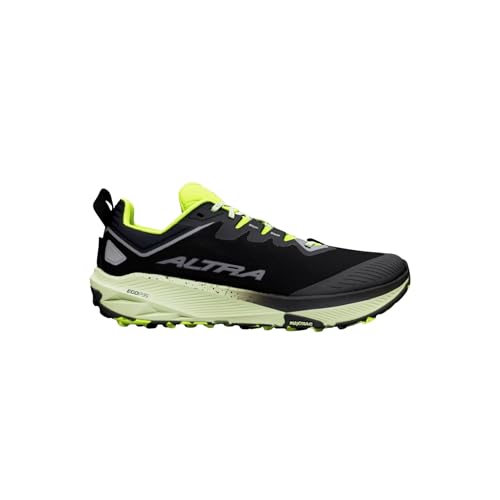

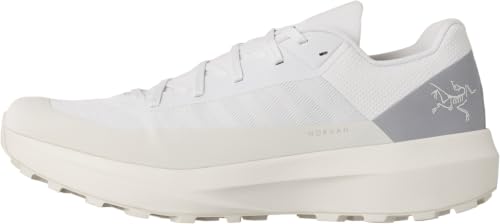
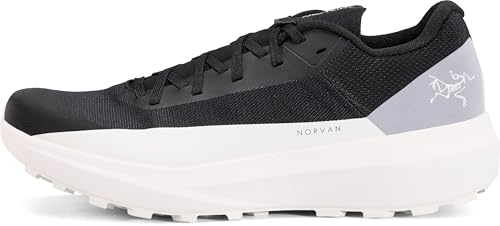
Decide whether you need a trail shoe yet
A road shoe can manage a smooth dry park path or groomed gravel, especially at an easy pace. Dedicated trail footwear becomes more useful when loose stones, mud, roots, steep grades, or sharp surfaces make traction and protection important. Look at the routes you can reach regularly rather than the most adventurous trail online. If every run includes substantial pavement and mild dirt, a road-to-trail model may be the ideal first step. If a local woodland turns muddy after rain, stronger tread matters sooner. Buying for actual conditions keeps the first pair versatile and prevents a specialist outsole from feeling awkward during most outings.
Make fit the lesson you learn first
The heel and midfoot should feel secure while the toes retain room to spread and avoid the front on descents. Try both shoes with running socks, then walk uphill, face downhill, and turn. Immediate pressure, numbness, or heel lift should not be dismissed as break-in. Do not automatically size up; extra length can allow sliding. If the forefoot feels narrow but length is adequate, compare a wide width or different shape. Record the exact model, version, size, and width after a successful try-on. Understanding fit gives a beginner a reusable skill that matters more than memorizing brand hierarchies.
Choose ordinary traction for ordinary trails
Moderate lugs work well on packed dirt, gravel, and mixed routes. Deep open tread belongs on soft mud and can feel harsh on pavement. Rocky ground depends on rubber, contact, and underfoot protection as well as lug height. Inspect the route in wet conditions, because a tame summer path may become slick after rain. If uncertain, choose a balanced outsole rather than the mildest or most aggressive option. Beginners gain confidence from predictable contact, but footwear cannot eliminate slippery surfaces. Shorter steps, controlled pace, and attention to line choice remain essential skills regardless of the tread.
Keep cushioning and drop familiar
Trail shoes range from close-to-ground flexible models to tall plush platforms. A moderate, controlled ride lets many beginners learn uneven footing without making the shoe itself the main challenge. High stack can feel protective but should remain stable during lateral steps. Minimal platforms provide feedback but can feel harsh over distance. Heel-to-toe drop is separate from cushioning. If you already run comfortably in road shoes, beginning in a similar drop reduces one variable. A move to zero or very low drop can be explored later through gradual short exposures. There is no prize for adopting unfamiliar geometry while also learning new terrain.
As an Amazon Associate, we may earn from qualifying purchases.
View the mid-guide match on AmazonUse protection that suits the obstacles
Toe bumpers and reinforced uppers help with roots and debris. Rock plates or dense underfoot layers spread sharp pressure. Smooth paths may not justify the weight or stiffness of extensive armor, while rocky trails make it valuable. Waterproofing is another specialist choice: useful in cold shallow wetness, warm and slow-draining when water enters from above. A breathable generalist often covers more seasons for a first pair. Add features when they solve a condition you encounter frequently. A long specification list can hide a poor match just as easily as it can describe a capable shoe.
Introduce trail running gradually
Begin on a familiar route in daylight and keep the first outings short enough to notice footing and fit. Slow down before technical sections, look several steps ahead, and allow pace to vary with terrain. After the run, note heel movement, toe contact, rubbing, and whether the outsole felt predictable. Sharp pain, persistent numbness, or altered movement are not goals of breaking in a shoe. Increase distance and difficulty separately when possible. Clean mud gently and air-dry away from direct heat. Gradual practice teaches more than a single ambitious outing and reveals what you might want from a future specialist pair.
Buy value, not simply the lowest price
A discounted previous version can be a good first shoe when the exact model, condition, fit, and outsole remain suitable. Cheap footwear that pinches or lacks the needed traction is poor value. Start with three candidates in the correct terrain category, eliminate fit failures, then compare price and durability. Premium race foams and plates are rarely necessary for learning. Spend where it protects the core job: sound construction, useful rubber, and a last that supports the foot. Check return rules before outdoor testing. The first pair should provide dependable access to trails, not become an expensive symbol of commitment.
Final Verdict
A beginner's trail shoe should be versatile, comfortable, and easy to understand. Decide whether local surfaces truly require trail tread, then fit the heel, midfoot, and toes through movement. Choose moderate grip and controlled cushioning for ordinary routes, keeping drop familiar unless a gradual change is intentional. Add waterproofing, deep mud lugs, or extensive rock protection only when recurring conditions justify them. Learn from several short runs before increasing difficulty. The best first pair is not the shoe with the boldest technology; it is the one that lets a new runner build skill and curiosity without fighting the footwear.
People also ask
Questions that extend this decision
Do beginners need trail running shoes?
Not for every path. Road shoes can handle smooth dry routes, while trail shoes add useful traction, protection, and upper hold as surfaces become loose, muddy, rocky, or steep.
Are road-to-trail shoes good for beginners?
Yes, especially when runs begin on pavement and continue onto gravel or moderate trails. Their smoother tread is more versatile, though they have limits in deep mud and highly technical terrain.
Should a first trail shoe be waterproof?
Usually only in consistently cold wet conditions. Breathable shoes cover more mild-weather uses and drain better after deep water entry. Fit the exact waterproof version because its upper may feel different.
Is zero drop suitable for a new trail runner?
It can be, but a runner coming from higher-drop shoes should introduce it gradually. A familiar geometry reduces one change while learning uneven terrain, making reactions easier to interpret.
How much should beginners spend on trail shoes?
There is no required price. Prioritize fit, traction, and construction, then compare value. Midrange models and clearly identified prior versions often serve beginners well without premium race features.
Final verdict
Choose the tradeoff you understand.
Beginners should start with a comfortable, versatile trail shoe that fits securely and matches nearby routes. Moderate cushioning, familiar drop, and enough tread for local dirt are usually easier to learn in than extreme lugs, very tall soft foam, or an abrupt zero-drop change. Road shoes can handle smooth dry paths, but dedicated trail shoes help as terrain becomes loose or technical. Fit comes first, the repeated session demand comes second, and the exact current product identity comes third. Use Amazon to verify sizes and options without relying on stale price or stock claims.
As an Amazon Associate, we may earn from qualifying purchases.
Check current options on Amazon