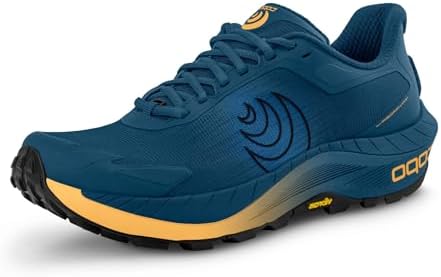
Topo Athletic · Exact Amazon product
Product-first buyer collection
Trail shoes in the 1–4 mm range for runners seeking a lower platform.
Read the supporting guides ↓As an Amazon Associate, we may earn from qualifying purchases.
Topo Athletic · Exact Amazon product

Topo Athletic · Exact Amazon product

Topo Athletic · Exact Amazon product

Topo Athletic · Exact Amazon product
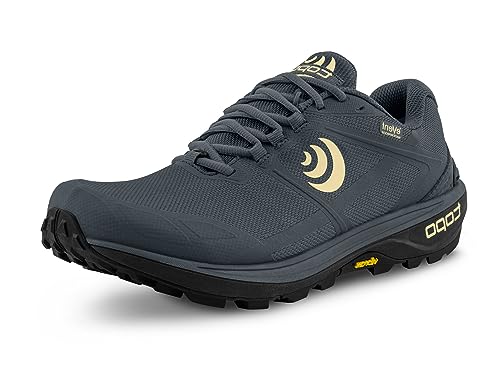
Topo Athletic · Exact Amazon product
Decision checkpoint
Choose enough cushioning and protection for the long part of the run without making the platform too vague for its technical sections. Familiar drop and secure fit remain the first filters.
Topical support
A low-drop trail shoe usually places the heel about 1–4 mm higher than the forefoot. It can encourage a different loading pattern, but it does not guarantee a particular foot strike, improve technique by itself, or suit every runner. Choose it because the geometry feels compatible with your stride and terrain, not because a small number sounds more natural. Transition with short, easy runs while keeping familiar shoes in rotation. Monitor calves, Achilles tendons, arches, and forefeet, since those tissues may receive more work. Cushioning, stability, width, and lug design remain independent choices; a low-drop shoe can be tall or low, soft or firm, technical or road-to-trail.
paaBegin with the routes that will account for most of the shoe's mileage, not the adventure you might attempt once. Smooth dirt, gravel, and paved connectors favor shallow or moderate tread. Rocky singletrack benefits from secure fit, durable rubber, and underfoot protection. Mud and soft soil call for deeper, widely spaced lugs. Wet slabs place more emphasis on sticky rubber than dramatic tread depth.
paaHeel-to-toe drop is the difference in height between the heel and forefoot inside a shoe. A 6 mm shoe places the heel about 6 mm higher than the forefoot; it may still be highly cushioned or relatively low to the ground. The most useful starting point is the drop you already run in comfortably, followed by a gradual comparison if you want something different.