
Quick Answer
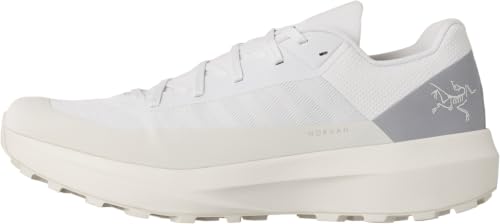
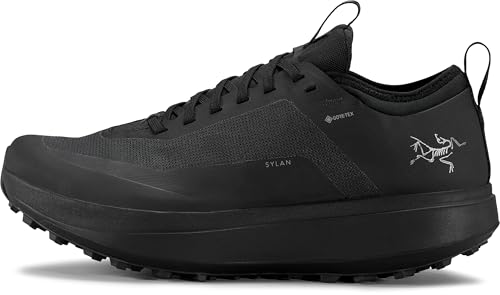
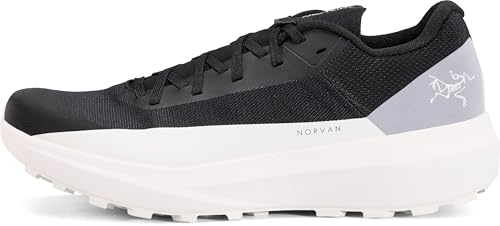
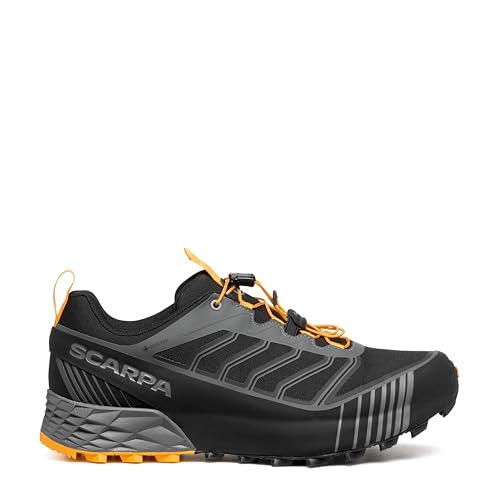
A lightweight trail shoe can feel agile during climbs, quick direction changes, and short races, but the lowest scale reading is useful only when grip, fit, and protection remain adequate. Weight may be removed from rubber, upper structure, foam, or protective components, and each choice changes performance differently. Choose a light model for the terrain and duration you can run confidently, not for a number alone. A secure 280-gram shoe may feel faster than a loose 240-gram shoe that requires constant correction. Test descending control and late-run comfort, where missing structure becomes more obvious. The best light shoe minimizes unnecessary material while preserving the features your route actually demands.
Understand Where the Grams Were Removed
Manufacturers reduce mass through thinner uppers, less outsole rubber, lighter foam, smaller toe guards, simplified lacing, and reduced plates or overlays. Those methods are not equivalent. A breathable stripped upper may work beautifully on open dry trail but stretch on off-camber rock. Exposed foam saves rubber weight yet can be cut by gravel. A minimal heel counter reduces bulk but may allow movement. Review the construction rather than assuming advanced materials made every compromise disappear. Hold the shoe, flex it laterally, inspect the sole, and look at abrasion zones. The important question is whether weight was removed from a feature you rely on. A runner on smooth hardpack can sacrifice more armor than someone crossing talus or thorny brush.
Does Lower Weight Make a Runner Faster?
Moving less mass can improve efficiency in controlled conditions, but trails introduce grip, confidence, and line choice. A lighter shoe that slips or transmits painful stone pressure causes braking and hesitation. Race performance depends on arriving late in the event with useful mechanics, not merely feeling lively at the start. Compare similar shoes on the same loop and effort. Notice climbing turnover, descent confidence, and next-day foot fatigue. Speed-focused runners may value a responsive foam or rocker as much as low mass. Recreational runners may prefer a modest weight reduction paired with familiar cushioning. Treat scale weight as one component of total movement cost, alongside stability and the effort required to control the shoe.
Match Protection to Distance
Short races on smooth terrain permit a thin upper and limited underfoot shielding. Long outings expose every pressure point and make feet swell, so a light design needs enough cushioning and structure to remain comfortable. Some modern foams provide substantial protection at low density, yet a soft material may lose stability or change feel after hours. Rock plates can spread sharp pressure with little mass, while broad rubber coverage adds both grip and weight. Decide what the route can do to the foot: repeated hard impact, isolated stones, toe strikes, or lateral loading. Keep the protection that addresses those hazards. Weight saved at the expense of late-run form is not an efficient trade.
As an Amazon Associate, we may earn from qualifying purchases.
View the mid-guide match on AmazonCheck Outsole Coverage and Terrain Bias
A light road-to-trail shoe may use shallow lugs and rubber only under high-wear zones. It can be smooth on pavement but vulnerable on sharp rock. A lightweight mud racer may use tall lugs with little hard-surface contact. Neither is a general category winner. Map outsole pattern to ground, then inspect whether uncovered foam sits where you usually land. Softer sticky rubber can grip rock while wearing quickly; harder compounds may extend life but feel less secure when wet. The shoe should provide perimeter traction during cornering, not only central rubber for straight lines. If a reduced outsole changes your foot placement to protect the shoe, the design is too compromised for that terrain.
Fit Becomes More Important as Structure Shrinks
Thin uppers can wrap the foot well, but they have less material to correct a poor last. The heel should remain seated and the midfoot should resist lateral drift without painful lace pressure. Check forefoot volume after the upper flexes, since delicate mesh may stretch or fold. Race fits are often close, yet toes still require descent clearance. A shoe that is undersized to feel secure can damage nails and create numbness during swelling. Test with intended socks and carry out several rapid changes of direction. If the foot moves before the outsole, a heavier structured model may produce more efficient control. Low weight should not require the runner to grip with the toes.
Evaluate Durability by the Exposed Component
Light shoes do not automatically fail early, but reduced material leaves less margin. Inspect upper flex points, outsole edges, and exposed foam after the first few runs. Abrasive gravel can scuff mesh and slice midsole; technical descents can peel small rubber pieces when bonding is minimal. Rotate the shoe if it is reserved for races, and clean grit from thin linings before it causes friction. Retire it based on traction, structural hold, and even cushioning rather than cosmetic dirt. A light model that maintains its intended shape is a better value than an ultralight pair whose upper stops centering the foot. Durability should be judged relative to use, not from weight prejudice.
Use Weight per Size Carefully
Published weights often refer to one sample size and one shoe, so comparisons become misleading across men's, women's, and unisex scales. Larger sizes naturally weigh more, and waterproof variants can add material. Confirm whether the figure represents a single shoe or pair and whether the tested size resembles yours. Then compare models built for the same purpose. A mud racer and a cushioned ultra shoe answer different questions, regardless of grams. If exact weight is central, weigh the purchased pair because manufacturing tolerance exists. The resulting number should explain a sensation, not overrule fit and terrain performance.
Final Verdict
Choose lightweight trail shoes when agility and reduced bulk improve a defined use: a short race, fast climbing, smooth singletrack, or a runner who dislikes heavy protection. Keep enough outsole, platform, upper hold, and underfoot shielding for the route. Compare the source of the weight saving and decide whether it removes redundancy or a needed safeguard. Use long-enough tests to reveal fatigue and downhill fit, because an exciting first mile can hide later instability. The correct shoe feels quick without making you cautious. If reduced construction changes your line, forces slower descents, or leaves the feet battered, a slightly heavier pair will likely perform better across the whole run.
People also ask
Questions that extend this decision
What counts as a lightweight trail shoe?
There is no universal cutoff because size changes scale weight. Compare the same size and use category. A model is meaningfully light when it removes bulk relative to similar terrain shoes without omitting the grip, support, and protection you need.
Are lightweight shoes faster on trails?
They can reduce moving mass, but speed gains disappear when traction, stability, or fit causes hesitation. The fastest choice across a route is the one that supports confident climbing and descending through fatigue, not necessarily the lowest measured weight.
Can light trail shoes handle long distances?
Some can, especially when lightweight foam provides sustained cushioning and the upper remains secure. Test them on progressively longer runs. Foot swelling, stone pressure, and changing foam behavior may reveal limits that are absent during short sessions.
Do lightweight outsoles wear faster?
They may when weight is saved by reducing rubber coverage or thickness. Compound and terrain also matter. Exposed foam is vulnerable to sharp gravel, while thin sticky rubber can abrade on roads. Inspect construction and reserve race-focused soles for appropriate routes.
Who should choose a lightweight trail shoe?
Runners prioritizing agility, quick turnover, or race use on compatible terrain are strong candidates. People needing maximum protection, very stable platforms, or rugged high-mileage construction may prefer a modestly heavier shoe that supports confidence and comfort.
Final verdict
Choose the tradeoff you understand.
A lightweight trail shoe can feel agile during climbs, quick direction changes, and short races, but the lowest scale reading is useful only when grip, fit, and protection remain adequate. Weight may be removed from rubber, upper structure, foam, or protective components, and each choice changes performance differently. Choose a light model for the terrain and duration you can run confidently, not for a number alone. A secure 280-gram shoe may feel faster than a loose 240-gram shoe that requires constant correction. Test descending control and late-run comfort, where missing structure becomes more obvious. The best light shoe minimizes unnecessary material while preserving the features your route actually demands. Fit comes first, the repeated session demand comes second, and the exact current product identity comes third. Use Amazon to verify sizes and options without relying on stale price or stock claims.
As an Amazon Associate, we may earn from qualifying purchases.
Check current options on Amazon