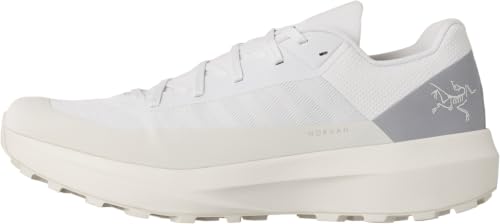
Arc'teryx · Exact Amazon product
Product-first buyer collection
Quicker trail shoes for short races and runners who value low bulk.
Read the supporting guides ↓As an Amazon Associate, we may earn from qualifying purchases.
Arc'teryx · Exact Amazon product
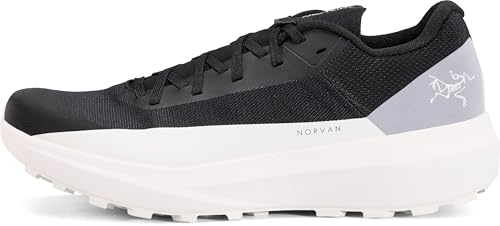
Arc'teryx · Exact Amazon product
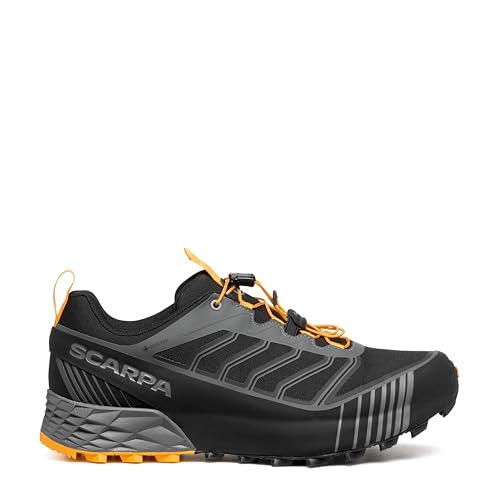
Scarpa · Exact Amazon product
Decision checkpoint
Choose enough cushioning and protection for the long part of the run without making the platform too vague for its technical sections. Familiar drop and secure fit remain the first filters.
Topical support
A lightweight trail shoe can feel agile during climbs, quick direction changes, and short races, but the lowest scale reading is useful only when grip, fit, and protection remain adequate. Weight may be removed from rubber, upper structure, foam, or protective components, and each choice changes performance differently. Choose a light model for the terrain and duration you can run confidently, not for a number alone. A secure 280-gram shoe may feel faster than a loose 240-gram shoe that requires constant correction. Test descending control and late-run comfort, where missing structure becomes more obvious. The best light shoe minimizes unnecessary material while preserving the features your route actually demands.
paaBegin with the routes that will account for most of the shoe's mileage, not the adventure you might attempt once. Smooth dirt, gravel, and paved connectors favor shallow or moderate tread. Rocky singletrack benefits from secure fit, durable rubber, and underfoot protection. Mud and soft soil call for deeper, widely spaced lugs. Wet slabs place more emphasis on sticky rubber than dramatic tread depth.
paaHeel-to-toe drop is the difference in height between the heel and forefoot inside a shoe. A 6 mm shoe places the heel about 6 mm higher than the forefoot; it may still be highly cushioned or relatively low to the ground. The most useful starting point is the drop you already run in comfortably, followed by a gradual comparison if you want something different.