
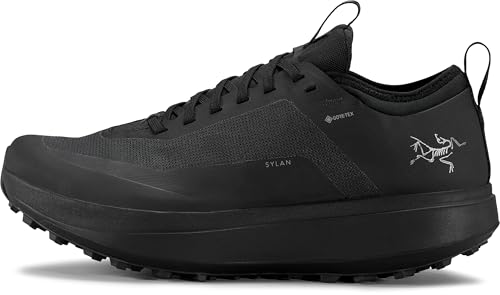
Quick Answer
Durable trail shoes are built to keep their grip, shape, and foot hold through the terrain where they are used. Thick rubber alone is not enough. Outsole compound must suit abrasion, the upper needs reinforcement at real flex and contact zones, and the foam should compress evenly rather than developing a lean. Fit affects life because a sliding foot stresses lining and upper material. Choose for local wear: pavement connectors round lugs, sharp gravel cuts exposed foam, mud strains bonds, and rocky traverses abrade sidewalls. Inspect the shoe regularly and replace it when traction or structure changes movement, not when the upper merely looks dirty. A balanced construction usually outlasts one overbuilt component attached to weaker neighbors.
Define Durability as Maintained Function
A shoe can look worn while remaining safe and predictable, or appear clean after the midsole has lost balance. Functional life includes traction, cushioning consistency, upper hold, and secure bonding. Cosmetic scuffs do not automatically matter. Rounded lug edges, outsole delamination, lateral leaning, a stretched heel, and new sliding are more useful evidence. The expected lifespan changes with runner, surface, and model. Heavy braking on abrasive descents can erase tread quickly, while soft forest miles may spare rubber but keep the upper wet. Avoid universal mileage promises. Establish a baseline when the pair is new, photograph the outsole, and compare feel on a familiar loop over time.
Outsole Coverage and Compound Drive Wear
Full rubber protects foam and spreads abrasion, though it adds weight and may alter flexibility. Strategic coverage can last well when rubber matches landing zones; it fails sooner if exposed foam meets sharp ground. Harder compounds commonly resist abrasion but may sacrifice wet adhesion. Softer sticky rubber can be appropriate on technical rock even if replacement comes sooner, because durability without necessary grip is false economy. Lug shape matters too. Tall narrow lugs experience greater leverage on pavement, while broad low patterns survive hardpack but cannot penetrate deep mud. Select the tread for the surface, then look for enough material around edges and toe-off zones where wear concentrates.
Upper Reinforcement Should Follow Stress Lines
Durable uppers use abrasion-resistant fabric or overlays where brush, rocks, and flex repeatedly attack. More material everywhere creates heat and stiffness without guaranteeing better life. Inspect the crease behind the toes, the lateral forefoot, eye stays, heel collar, and the seam where upper meets midsole. A toe rand protects direct strikes, but a rigid cap that folds against the foot is not useful. Woven fabrics can resist tearing; mesh can breathe and dry quickly; both depend on yarn and construction quality. Dirt trapped in the heel lining accelerates wear, so cleaning matters. Fit also determines stress: an undersized shoe pushes toes through the upper, while an oversized one rubs the interior.
As an Amazon Associate, we may earn from qualifying purchases.
View the mid-guide match on AmazonMidsole Life Is About Evenness
Foam changes with loading, temperature, and time. The important failure is not simply becoming softer; it is losing consistent support. Place shoes on a level surface and look for leaning. Compare compression wrinkles on both sides, and notice whether one foot now sinks or rolls differently on a familiar trail. Dense foams may retain shape but feel firm, while very light compounds can preserve bounce with less mass yet remain vulnerable to cuts. Plates and sidewalls may support geometry after foam begins to fatigue, but they cannot restore traction. Rotate pairs if training volume is high, allowing materials to dry completely and giving each shoe a varied loading schedule. Rotation helps most when both options already fit well.
Water, Grit, and Heat Shorten Useful Life
Wet shoes flex differently and hold abrasive particles against fabric. After muddy runs, remove the insole, brush or rinse grit with cool water, and dry at room temperature. Direct heaters and hot dryers can deform foam or weaken adhesives. Salt from winter roads deserves rinsing, while fine sand should be emptied from the lining. Do not soak shoes unnecessarily or rely on aggressive detergent. Storage in a hot car can expose materials to repeated thermal stress. Loosen laces before removal so heel counters are not crushed. These simple habits cannot reverse wear, but they prevent avoidable damage and make developing problems visible before a bond or lace eye fails far from home.
Match the Strongest Construction to the Route
A durable gravel shoe needs abrasion-resistant rubber and protected foam. A mountain shoe requires sidewall and toe defense plus strong bonding. A mud model needs lugs that resist tearing and an upper that drains without becoming loose. Road-to-trail use rewards broad rubber contact because asphalt quickly rounds technical tread. Buying the heaviest shoe does not solve every environment; excess stiffness can create new flex stress or poor comfort. Think in failure modes. What wore out first on the previous pair? If the heel lining failed, improve fit and collar care. If the outsole disappeared, change compound or coverage. If the platform leaned, seek more controlled foam and geometry.
Keep a Simple Wear Record
Every few weeks, photograph the outsole from the same angle and note total use by surface. Add a brief comment about wet grip, heel hold, and whether the platform feels level. This takes less time than reconstructing months of impressions when a shoe suddenly seems different. Compare left and right because asymmetrical wear may reveal gait or terrain patterns. A record also improves future purchases: it identifies whether the last pair failed through rubber abrasion, upper damage, or foam compression. Select the next construction to address that observed weakness instead of buying a generic heavy-duty label whose added material may sit in the wrong place.
Final Verdict
The most durable trail shoe is the one whose components age at a similar pace while preserving the function required by local terrain. Favor appropriate rubber coverage, reinforcement at true stress zones, stable foam, reliable bonds, and a last that does not invite internal movement. Maintain the pair with gentle cleaning, airflow, and regular inspection. Do not chase an arbitrary mileage target or keep a shoe after worn traction changes descending behavior. Conversely, surface stains and small harmless scuffs do not demand retirement. Use a familiar route as a reference and notice when grip, balance, or hold stops feeling predictable. Durability is valuable because performance remains trustworthy, not because a shoe can be kept indefinitely.
People also ask
Questions that extend this decision
How long should trail running shoes last?
No fixed mileage applies to every pair. Terrain, runner mass, gait, outsole, foam, and moisture exposure change lifespan. Track rounded lugs, uneven compression, stretched uppers, and altered control. Replace the shoe when functional changes matter, even if mileage seems low.
Which outsole lasts longest?
Hard, well-covered rubber often resists abrasion, but the longest-lasting compound may not grip wet rock well enough. Choose durability within the correct terrain category. Broad low lugs usually tolerate hard surfaces better than tall soft-ground tread.
Does trail shoe mesh tear easily?
Quality mesh can be durable when yarns, weave, overlays, and fit are appropriate. Tears often begin at flex points, abrasion zones, or where toes press an undersized upper. Reinforcement should target those areas without making the whole shoe hot and rigid.
Can rotating shoes extend their life?
Rotation allows complete drying and changes repeated loading, which may help materials and feet. It does not prevent normal abrasion. Both pairs must fit and suit the route; using an inappropriate shoe half the time is not a useful durability strategy.
When should trail shoes be replaced?
Replace them when grip is inadequate, foam has compressed unevenly, the platform leans, the upper no longer holds the foot, or structural bonds fail. New pain or altered gait deserves attention. Cosmetic discoloration alone is not a replacement test.
Final verdict
Choose the tradeoff you understand.
Durable trail shoes are built to keep their grip, shape, and foot hold through the terrain where they are used. Thick rubber alone is not enough. Outsole compound must suit abrasion, the upper needs reinforcement at real flex and contact zones, and the foam should compress evenly rather than developing a lean. Fit affects life because a sliding foot stresses lining and upper material. Choose for local wear: pavement connectors round lugs, sharp gravel cuts exposed foam, mud strains bonds, and rocky traverses abrade sidewalls. Inspect the shoe regularly and replace it when traction or structure changes movement, not when the upper merely looks dirty. A balanced construction usually outlasts one overbuilt component attached to weaker neighbors. Fit comes first, the repeated session demand comes second, and the exact current product identity comes third. Use Amazon to verify sizes and options without relying on stale price or stock claims.
As an Amazon Associate, we may earn from qualifying purchases.
Check current options on Amazon