


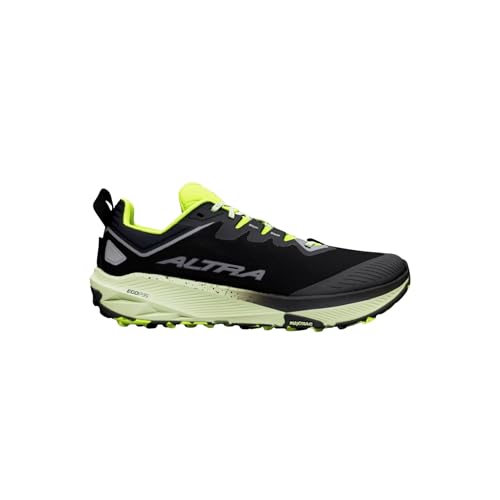
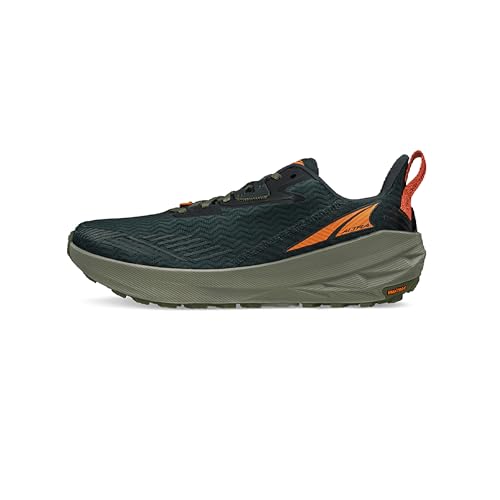

Quick Answer
An affordable trail shoe is good value when it fits securely, grips the intended terrain, and remains protective for the planned distance. Price should be evaluated against exact model, version, width, and condition—not a vague family name or inflated list price. Begin with terrain and fit, then preserve outsole reliability and stable construction before paying for plates, premium foam, or race weight. Previous-generation models and ordinary colorways often deliver the best savings when materials have not degraded and return terms are clear. Avoid buying a cheap specialist for the wrong route. A versatile, comfortable pair used every week costs less in practice than a discounted shoe that creates sliding, toe pressure, or early replacement.
Set a Budget After Defining the Job
Write down typical surface, longest run, weather, and fit needs before looking at sale pages. Smooth dirt and gravel require less aggressive construction than wet rock or deep mud. Short recreational runs may not need ultradistance foam, while a runner spending hours outside should not remove underfoot protection merely to reach a number. Include socks, possible return shipping, and replacement timing in the budget. A low price is not valuable if the shoe must be kept despite poor fit. Decide which requirements are nonnegotiable and which are preferences. This simple order prevents a large discount from turning an unsuitable model into an apparent opportunity.
Protect Fit Before Features
Heel hold, midfoot security, toe clearance, and width determine whether any price is worthwhile. Do not size up excessively to create width or size down for a race-like hold. Try shoes with intended socks later in the day, and use an incline to check downhill movement. If shopping online, compare the exact version's last and return policy rather than relying on another model from the brand. Wide sizing and wide toe-box shape are different. An inexpensive shoe that requires aftermarket fixes may erase the savings, and an incompatible last can create friction that no premium outsole corrects. Fit is the first value feature because it governs whether the shoe is used.
Spend on Outsole Performance for the Terrain
Traction is difficult to improvise. A basic midsole can be acceptable, but an outsole that cannot grip the route creates risk and hesitation. For mud, seek spaced directional lugs. For rock, examine rubber compound and hard-surface contact. For gravel, prioritize coverage and moderate edges. Waterproofing is worthwhile only when cold wet exposure justifies reduced breathability. Do not pay for a dramatic lug if most miles are paved, and do not accept shallow cosmetic tread for soft slopes. Inspect how much rubber is present and where. Exposed foam saves cost and weight but may abrade quickly on sharp ground. Direct the budget toward the surface interaction you cannot change after purchase.
As an Amazon Associate, we may earn from qualifying purchases.
View the mid-guide match on AmazonPrevious Generations Can Be the Value Sweet Spot
A replaced model often falls in price while retaining proven fit and construction. Compare changes carefully: a new generation may alter width, foam, lug depth, or upper, so reviews of the current shoe do not automatically describe the sale version. Confirm the product code, gendered or unisex sizing, width, and whether the listing is new rather than used. Old stock should have been stored reasonably; adhesives and foam can age under heat even without mileage. Buy from a seller with clear condition and return information. A previous generation is attractive when it already matched your foot and route, not simply because the discount percentage looks large.
Separate Useful Simplicity from False Economy
Budget shoes may use conventional foam, heavier uppers, and straightforward rubber. Those choices can be durable and dependable. Warning signs include sparse outsole coverage for abrasive terrain, weak heel hold, rough internal seams, or decorative tread without depth. A plate, supercritical foam, or elaborate lacing system is optional for many runners. Stable geometry and secure construction are not. Flex the shoe, inspect bonding, and feel inside for edges. Compare both shoes for symmetry. If the pair is intended for long runs, use it first on a short loop where an early hotspot is easy to address. Simplicity is valuable when it removes novelty rather than necessary function.
Calculate Cost per Useful Run, Not Lowest Checkout
A moderately priced pair used for eighty comfortable outings may be better value than a bargain used five times. Keep a simple log of purchase date, use, and reason for retirement. The resulting history reveals whether outsole abrasion, fit, or foam is driving replacement. Rotating footwear can distribute use, but buying extra pairs solely to save wear ties up money and may outlast changing needs. Watch genuine seasonal clearance without assuming every sale is exceptional. Avoid exact future-price predictions and expired promotional claims. The relevant calculation includes how often the shoe suits available routes and whether it remains safe enough to choose without hesitation.
Use a Four-Part Purchase Check
Before checkout, confirm the exact product code and generation, the stated width and size scale, the outsole's intended terrain, and a return policy that permits an indoor fit test. Then compare the delivered box label with the listing. Inspect both shoes for symmetrical bonding, lugs, and upper shape before wearing them outside. Save the receipt and photograph the product code. For sale merchandise, verify whether returns receive cash, credit, or no refund. These steps protect value more reliably than another round of coupon searching. They also prevent a marketplace listing error from turning the correct research into the wrong physical pair.
Final Verdict
Buy budget trail shoes with the same decision order used for expensive ones: route, fit, traction, stability, protection, then optional performance features. Prior-generation stock and uncomplicated designs can provide excellent value when exact identity and condition are verified. Refuse savings that depend on the wrong width, wrong outsole, or missing return protection. A beginner does not need the most advanced model, but does need predictable grip and a secure platform. Record what wore out and what went unused so the next purchase becomes more precise. The goal is not the lowest receipt; it is the lowest reasonable cost for repeated, comfortable, terrain-appropriate runs.
People also ask
Questions that extend this decision
How much should trail running shoes cost?
Prices vary by materials, model age, and specialization, so no single amount defines quality. Set a ceiling after identifying terrain and fit. Compare exact models and useful life rather than treating list price as a performance score.
Are cheap trail shoes safe?
They can be when fit, traction, structure, and condition suit the route. Price alone neither guarantees nor disproves safety. Inspect outsole, bonding, upper hold, and return terms, then test on a low-consequence trail before longer use.
Should beginners buy expensive trail shoes?
Beginners need predictable fit and grip, not necessarily premium plates or race foam. A versatile midpriced or discounted prior-generation shoe often makes sense. Avoid extreme geometry until preferences and recurring terrain are clearer.
Are last year's trail shoes worth buying?
Often, especially if the exact generation is known to fit. Confirm model code, width, condition, and storage source. Do not assume a newer review applies, because generations can change shape, foam, outsole, and sizing.
What features matter most on a budget?
Prioritize secure fit, terrain-correct outsole, stable geometry, and enough protection for distance. Breathability or waterproofing should match weather. Premium foam, carbon structures, and ultralight uppers are secondary unless a specific use makes them necessary.
Final verdict
Choose the tradeoff you understand.
An affordable trail shoe is good value when it fits securely, grips the intended terrain, and remains protective for the planned distance. Price should be evaluated against exact model, version, width, and condition—not a vague family name or inflated list price. Begin with terrain and fit, then preserve outsole reliability and stable construction before paying for plates, premium foam, or race weight. Previous-generation models and ordinary colorways often deliver the best savings when materials have not degraded and return terms are clear. Avoid buying a cheap specialist for the wrong route. A versatile, comfortable pair used every week costs less in practice than a discounted shoe that creates sliding, toe pressure, or early replacement. Fit comes first, the repeated session demand comes second, and the exact current product identity comes third. Use Amazon to verify sizes and options without relying on stale price or stock claims.
As an Amazon Associate, we may earn from qualifying purchases.
Check current options on Amazon