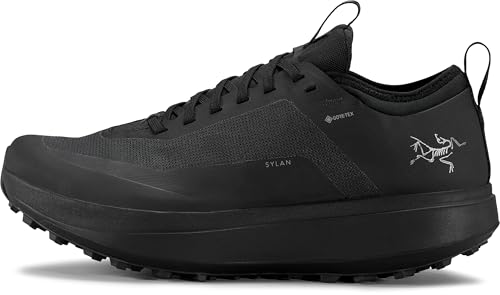

Why a range is more honest than a deadline
Mileage is appealing because it is easy to record. It is not a direct measurement of traction, foam condition, or upper integrity. Two runners can put the same distance on identical shoes and produce different wear. One may run smooth forest paths in cool weather; the other may scrape across granite, connect trails by road, and leave shoes wet after every outing. Even the left and right shoe can age differently.
A broad range such as 300–500 miles is useful as a reminder to pay closer attention, not as a warranty or a safety threshold. Some pairs show meaningful wear sooner, and some remain serviceable beyond it. The most credible decision combines three forms of evidence: logged use, visible condition, and a change in performance or comfort. When those signals agree, the choice is clearer than any isolated number.
Outsole wear is terrain-specific
Begin with the outsole because the trail depends on it. Look for lugs that have rounded off, smoothed at the leading edge, torn away, or worn unevenly beneath the heel and forefoot. Compare high-contact areas with less-used rubber near the arch. Exposed midsole foam and separating rubber are also easy to spot. Photographing a new pair before its first run creates a useful reference.
The consequence of wear depends on where the shoe goes. Reduced lug definition may be merely noticeable on dry hardpack yet become important in loose soil, steep mud, or wet grass. Road miles can polish soft trail rubber, while sharp stone can cut or tear it. Do not assume aggressive lugs last longer; rubber compound, geometry, and surface matter. A shoe that no longer suits technical terrain may still have limited casual use, but do not use that second life to ignore structural damage.
Midsole changes are felt as well as seen
Foam rarely provides a convenient wear line. Creasing and discoloration alone do not prove that a midsole is finished, because many foams crease early. More useful clues are a persistent change in how the shoe rides, a platform that feels notably flatter or harsher than before, or left-right differences that were not present when the pair was newer. Compare the shoe on a familiar route and, if possible, against a fresher pair with a similar role.
Be careful with cause and effect. A tired day, a new training load, or a harder surface can change how a run feels. One uncomfortable outing is not a laboratory test. Look for a repeatable change. Persistent pain deserves appropriate professional attention rather than an assumption that buying shoes will solve it.
Upper security can end a shoe's trail life
Trail uppers do more than cover the foot. They help hold it over the platform when traversing, descending, and changing direction. Inspect flex points near the forefoot, seams around overlays, the heel lining, eyelets, lace anchors, and any place the upper joins the sole. Small cosmetic holes are different from damage that lets the foot slide or exposes it to debris.
Pay attention to behavior. If the heel begins lifting despite normal lacing, the midfoot no longer holds on off-camber ground, or the foot shifts over the platform, the shoe has changed in a way mileage cannot describe. Re-lacing or replacing worn laces may help, but sizing down is not an automatic fix for a stretched or damaged upper. Once the structure no longer holds the foot as intended, reserve or retire the shoe according to its condition.
Use an inspection routine, not a post-run hunch
Every few weeks, clean enough dirt from the outsole to see the rubber and place both shoes in good light. Check outsole wear, flex the upper gently, inspect bonding, and compare symmetry. Then recall the last several runs: has traction changed on familiar ground, does the platform feel different, or has lockdown become harder to achieve? A two-minute routine is more informative than waiting for the odometer to flash a round number.
Inspect immediately after a hard rock strike, torn upper, partial sole separation, or a new episode of slipping on terrain you know. The correct language is “inspect now,” not “this shoe is unsafe at 401 miles.” A guide cannot see the pair or the route. If structural condition is uncertain, stop using the shoe for demanding terrain until someone qualified can evaluate it.
Track the miles each pair actually receives
Training apps can attach a shoe to an activity, but a note on a phone or a simple spreadsheet works just as well. Record the date a pair entered use and assign each run to it. Include hiking if the same shoe carries those miles, since the materials still experience abrasion and flex. Do not forget road approaches, travel days, or daily wear when they are substantial.
A rotation requires percentages rather than dividing total weekly distance blindly. If one pair handles 70 percent of 30 weekly miles, it receives about 21 miles, not 15. The Shoe Life & Rotation Calculator uses that share to estimate a planning window. Its output should be read as “begin inspecting more closely around this period,” not “replace on this date.”
Care can prevent avoidable damage
Remove packed mud with a soft brush and cool water, following the maker's care instructions. Loosen laces and take out removable insoles to help the shoe dry. Air-dry away from direct heaters and intense heat, which can affect materials and adhesives. Do not place a pair in a washing machine or dryer unless its manufacturer explicitly permits it.
Care does not reset foam or rebuild worn lugs, but it makes inspection easier and avoids leaving grit to abrade the upper. Rotating shoes can also give a wet pair time to dry before its next use. Waterproof membranes need product-specific care, and damage or contamination can change their performance. Treat cleaning as maintenance, not a method for extending life indefinitely.
Replacing by role keeps the purchase focused
When a pair nears the end of its useful trail role, identify what it actually did. Was it the long-run cushion shoe, the mud specialist, the precise technical pair, or the road-to-trail option? Replace that role rather than shopping for an abstract “best trail shoe.” If the outsole wore quickly on pavement, a more road-compatible outsole may be the relevant comparison. If upper hold failed first, examine construction and fit.
A retired running shoe may become a dry-weather walking or yard shoe if it remains structurally appropriate for that use, but mark it so it does not return to the trail rotation by accident. Recycle or dispose of it through available local programs when its second life ends. The useful outcome is not squeezing out a heroic mileage number. It is noticing when the shoe no longer performs the job for which you depend on it.
People also ask
Questions that extend this decision
Do trail shoes last longer than road shoes?
Not predictably. Trail shoes may use protective uppers and substantial outsoles, but rocks, grit, mud, and abrasion can be severe. Road running can also wear trail rubber quickly. Compare the actual surfaces and construction rather than assuming one category lasts longer.
Which trail surface wears lugs fastest?
Abrasive rock and extended pavement commonly produce visible rubber wear, but compound and lug design make a large difference. Mud can hide damage and hold grit against materials. Inspect the outsole instead of ranking surfaces by a fixed lifespan penalty.
Can I replace the insole to extend shoe life?
A fresh insole can change interior feel, but it cannot restore compressed midsole foam, worn traction, separated bonding, or a damaged upper. Use an insole only when it fits properly and addresses the insole itself, not as a repair for the whole shoe.
Can worn trail shoes still be used for walking?
Sometimes, if the shoe remains structurally sound and the reduced traction is appropriate for the intended surface. A pair retired from technical running may suit limited casual use, but visible separation, unstable wear, or poor hold should not be ignored.
What if I forgot to track mileage from new?
Start the log now and rely more heavily on condition. Inspect outsole, upper, bonding, and how the shoe behaves on familiar ground. The purchase date and activity history may provide a rough estimate, but do not invent precision.
Final verdict
Choose the tradeoff you understand.
Trail shoes are often discussed in a broad 300–500 mile planning range, but no counter can determine the replacement day. Abrasive rock, road approaches, mud, construction, gait, care, and how the shoe is used can move wear earlier or later. Track distance, inspect the shoe, and compare its current behavior with how it felt when newer. Fit comes first, the repeated session demand comes second, and the exact current product identity comes third. Use Amazon to verify sizes and options without relying on stale price or stock claims.
As an Amazon Associate, we may earn from qualifying purchases.
Check current options on Amazon