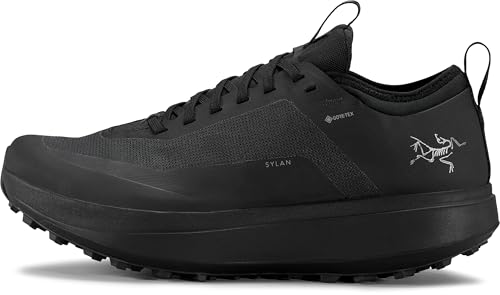
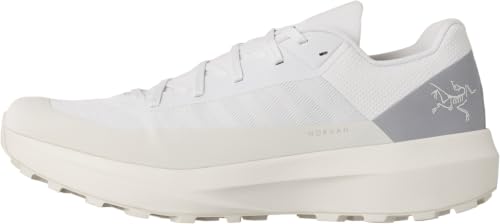
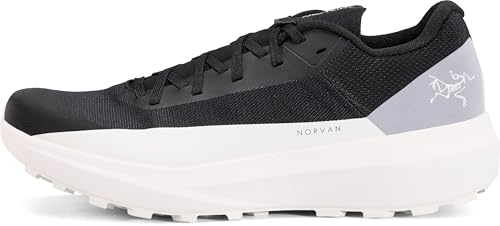


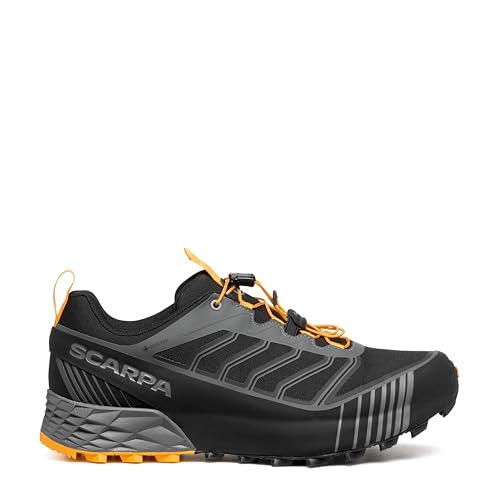
Quick answer
Winter footwear should be chosen for the most dangerous surface on the route, not simply the temperature. Deep or loose snow favors open, pronounced lugs. Hard ice requires metal studs, removable traction, or a route change; ordinary rubber lugs cannot reliably bite a smooth frozen surface. Waterproof uppers help in slush and shallow snow, while breathable shoes may work better in dry cold when sweat management matters. Leave room for warm socks without allowing the heel to slide, and test the entire system before a remote run. Winter safety begins with recognizing when no shoe makes a route sensible.
Separate snow, ice, slush, and frozen dirt
A winter forecast can hide several surfaces within one mile. Fresh powder compresses and moves underfoot. Packed snow can offer predictable grip until repeated thaw-freeze cycles polish it. Black ice may be nearly invisible, especially on bridges and shaded pavement. Slush adds water and can conceal frozen ruts. Frozen dirt is hard and uneven, sometimes with excellent purchase and sometimes with a glazed top layer.
Map the route by exposure. South-facing sections may soften in the afternoon while shaded gullies remain icy. A plowed road can refreeze at sunset, and footprints on a popular trail can become a field of hard knobs. Temperature history matters more than the number displayed when you leave. Rain followed by a rapid freeze is a stronger warning than a steady cold week with dry snow.
Choose footwear after deciding which surface presents the highest consequence. If most of a route is runnable snow but one steep descent is solid ice, equipment must address that descent or the route should avoid it. Winter shoes expand the range of manageable conditions; they do not turn every frozen slope into routine terrain.
Match the traction system to the surface
Rubber lugs work by deforming around texture or penetrating a soft layer. They can grip packed snow when edges find irregularities, but on smooth ice there may be nothing to enter. Metal studs concentrate force into small points and can scratch into hard ice. Factory-studded shoes integrate those points into the outsole, while removable devices add chains, coils, or spikes over an existing shoe.
Integrated studs usually feel more natural and are less likely to shift during a run. They are convenient for routes that stay frozen from door to trail. Removable traction is versatile when conditions vary by day, but fit must be checked: a device that is too loose can roll under the shoe, and one that is too tight can compress the upper. Aggressive mountaineering spikes are not automatically appropriate for running, especially on mixed hard surfaces.
Studs also have limits. Bare rock and pavement can feel harsh, reduce contact, and accelerate wear. Metal can slide on certain smooth indoor floors, so change footwear before entering shops or vehicles. If the run contains frequent exposed road, plan where traction can be added or removed safely rather than assuming one setup will excel everywhere.
Look for snow-shedding lugs and a stable base
For loose snow, select lugs with enough depth and open space to compress the surface and then release it. A crowded outsole can collect wet snow, creating a flat layer that reduces grip and adds weight. Directional edges help with climbing and braking, while perimeter coverage matters on packed, off-camber trail.
Winter ground is lumpy. Frozen footprints and hidden ruts tip the shoe from one edge to another, so a predictable platform is valuable. Very tall, soft foam may feel unstable when only part of the outsole is supported. A broad base, controlled sidewalls, and an upper that holds the midfoot can be more useful than maximum softness. Cushioning also firms in the cold; a shoe that feels pliable indoors may become noticeably stiffer outside.
Flex the shoe after it has spent time at winter temperature if possible. Check whether the outsole still bends and whether the rubber retains grip. Some compounds perform better in cold than others, but no compound substitutes for studs on glare ice. For mixed packed snow and frozen dirt, a grippy rubber outsole with moderately deep, separated lugs is often the most versatile starting point.
As an Amazon Associate, we may earn from qualifying purchases.
View the mid-guide match on AmazonWaterproofing solves only part of the moisture problem
A waterproof membrane blocks external water below the collar and often reduces cold wind. It is useful for melting snow, slush, and repeated contact with wet vegetation. The tradeoff is slower vapor transfer, and the inside can become damp from sweat during hard efforts. Once snow or water enters from above, drying may take longer.
Dry, consistently cold conditions are different. A tightly woven, breathable upper combined with a warm sock may manage perspiration better than a membrane. In deeper snow, a gaiter helps stop crystals from entering around the ankle. Some winter models integrate a gaiter; separate running gaiters can also work if they seal well around the shoe and do not interfere with traction devices.
Do not use cotton socks. Wool blends and technical synthetics retain less clammy moisture and dry more effectively. Carry a spare pair on longer outings if wet feet could become a safety problem. The objective is a warm-enough microclimate, not maximum insulation. Overheating early in the run can soak the sock and make the return leg colder.
Fit the shoe as a complete winter system
Winter socks take space, and a waterproof upper may stretch less than open mesh. Try footwear with the exact sock thickness and any gaiter or traction device you intend to use. Toes need room to move because compression reduces warm air and can restrict circulation. At the same time, excessive volume lets the foot slide on uneven frozen ground.
Secure the heel first, then adjust the midfoot without overtightening. Feet can feel smaller in the cold, tempting runners to pull the laces hard. Pressure across the instep may create numbness that is easy to mistake for temperature alone. Recheck the lacing after ten minutes outside and learn whether frozen laces are still easy to adjust with gloves.
If removable traction wraps across the upper, confirm it does not create pressure points. Walk downhill and laterally before running. A device can fit on level pavement yet shift when loaded from the side. Also inspect the toe bumper and upper flexibility; stiff protective materials sometimes crease where they contact the toes. A warm shoe is not useful if the fit produces friction or inhibits natural movement.
Change technique and carry a margin
Shorten the stride, increase cadence slightly, and keep the foot closer beneath the body. Large braking forces overwhelm available grip quickly, even with studs. Approach corners more upright and avoid sudden direction changes. On uncertain surfaces, test traction with a deliberate walking step before committing speed.
Winter runs also require a wider safety margin than summer mileage. Carry a charged phone, a small light, and enough clothing for an unexpected walk. Tell someone the route when conditions are consequential. Daylight disappears early, and a minor ankle problem becomes more serious when standing still in wind and wet snow.
Be willing to turn around. Freezing rain, an unexpected sheet of ice, or rapidly drifting snow can invalidate the plan. Indoor training or a cleared route is not a failed adventure; it is an equipment decision made before the equipment is overwhelmed. Studs improve purchase, but they do not remove exposure, falling branches, poor visibility, or traffic risk.
Dry, inspect, and store winter gear carefully
After a slushy run, remove the insole and traction device. Rinse away road salt and grit, then dry the shoe with airflow and away from direct heat.
Inspect studs for loss, uneven wear, or looseness. Check removable devices for stretched rubber, bent links, and damaged attachment points. Replace compromised parts before another descent.
Note where snow collected, where studs felt secure, and where the upper became wet. Refine the winter system from that evidence: traction for the surface, fit for the sock, moisture control for the temperature, and a route appropriate to the consequence.
People also ask
Questions that extend this decision
Do normal trail running shoes grip ice?
Ordinary trail lugs may grip textured frozen ground or rough packed snow, but they are unreliable on smooth ice. Soft rubber cannot create texture where none exists. For frequent ice, use a suitable studded shoe or running traction device and slow down. On steep glaze or freezing rain, changing the route may be safer than relying on footwear.
Are GORE-TEX trail shoes necessary for snow?
Not always. A waterproof membrane is helpful in wet snow, slush, and cold puddles, especially when moisture stays below the collar. In dry powder and sustained cold, breathable shoes with appropriate socks may manage sweat better. A gaiter often matters more in deep snow because it prevents entry from above, something a membrane cannot do.
Can studded running shoes be used on pavement?
Short exposed sections may be unavoidable, but metal studs can feel harsh, noisy, and less stable on smooth hard surfaces. Pavement also wears studs and surrounding rubber. Choose a route with continuous winter cover or use removable traction when bare stretches are substantial. Walk carefully on tile, metal, and indoor floors, where studs may slip.
Should winter trail shoes be sized larger?
They should fit the intended sock without compressing the toes, but automatically buying a larger size can create heel movement and poor control. Try the complete setup late in the day and confirm downhill toe clearance. If extra volume is needed, compare a roomier last or wide option rather than adding length that the foot does not require.
What should I do if the trail has black ice?
Slow to a walk before entering it, avoid sudden braking or turning, and use studded traction only if it is designed and fitted for running. If the ice is extensive, steep, or mixed with traffic, turn around or choose another route. Black ice is difficult to read, and no traction system guarantees control across every patch.
Final verdict
Choose the tradeoff you understand.
Winter footwear should be chosen for the most dangerous surface on the route, not simply the temperature. Deep or loose snow favors open, pronounced lugs. Hard ice requires metal studs, removable traction, or a route change; ordinary rubber lugs cannot reliably bite a smooth frozen surface. Waterproof uppers help in slush and shallow snow, while breathable shoes may work better in dry cold when sweat management matters. Leave room for warm socks without allowing the heel to slide, and test the entire system before a remote run. Winter safety begins with recognizing when no shoe makes a route sensible. Fit comes first, the repeated session demand comes second, and the exact current product identity comes third. Use Amazon to verify sizes and options without relying on stale price or stock claims.
As an Amazon Associate, we may earn from qualifying purchases.
Check current options on Amazon