
adidas Terrex · Exact Amazon product
Product-first buyer collection
Cold, snow and wet-weather choices with traction and protection context.
Read the supporting guides ↓As an Amazon Associate, we may earn from qualifying purchases.
adidas Terrex · Exact Amazon product

adidas Terrex · Exact Amazon product
 View on Amazon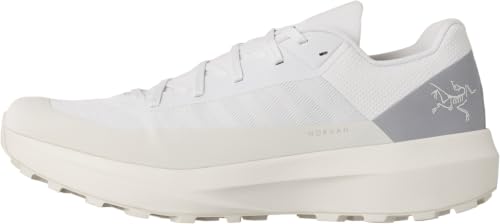
Arc'teryx · Exact Amazon product
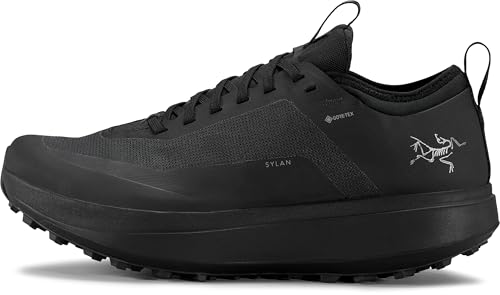
Arc'teryx · Exact Amazon product
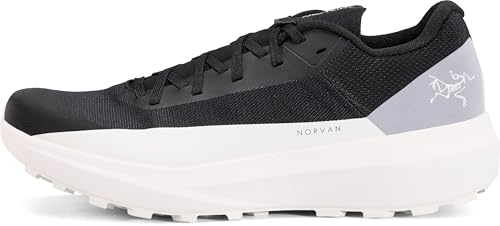
Arc'teryx · Exact Amazon product

ASICS · Exact Amazon product
 View on Amazon
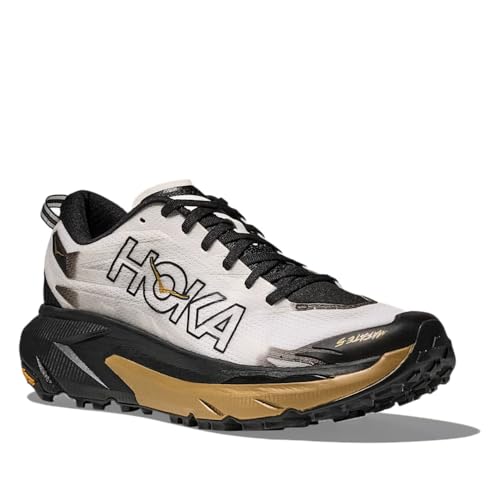
Brooks · Exact Amazon product
 View on Amazon
 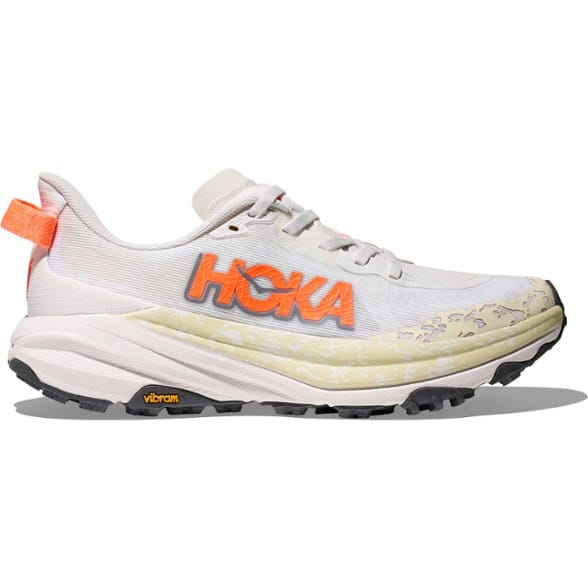 View on Amazon
  View on Amazon
 Decision checkpoint
A membrane can help in cold, shallow and sustained wet conditions, but it runs warmer and drains slowly after water enters over the collar. Compare waterproof and breathable versions for the route rather than treating waterproof as a universal upgrade.
Topical support
Winter footwear should be chosen for the most dangerous surface on the route, not simply the temperature. Deep or loose snow favors open, pronounced lugs. Hard ice requires metal studs, removable traction, or a route change; ordinary rubber lugs cannot reliably bite a smooth frozen surface. Waterproof uppers help in slush and shallow snow, while breathable shoes may work better in dry cold when sweat management matters. Leave room for warm socks without allowing the heel to slide, and test the entire system before a remote run. Winter safety begins with recognizing when no shoe makes a route sensible.
paaChoose winter trail running shoes by the dominant hazard. Lugs help in snow and soft ground, waterproof uppers add warmth in cold slush, and hard ice may require studs or a compatible traction device. Fit the shoe with winter socks, keep the heel secure, and do not assume ordinary rubber will grip every frozen surface.
paaBegin with the routes that will account for most of the shoe's mileage, not the adventure you might attempt once. Smooth dirt, gravel, and paved connectors favor shallow or moderate tread. Rocky singletrack benefits from secure fit, durable rubber, and underfoot protection. Mud and soft soil call for deeper, widely spaced lugs. Wet slabs place more emphasis on sticky rubber than dramatic tread depth.
paaHeel-to-toe drop is the difference in height between the heel and forefoot inside a shoe. A 6 mm shoe places the heel about 6 mm higher than the forefoot; it may still be highly cushioned or relatively low to the ground. The most useful starting point is the drop you already run in comfortably, followed by a gradual comparison if you want something different.