


Quick answer
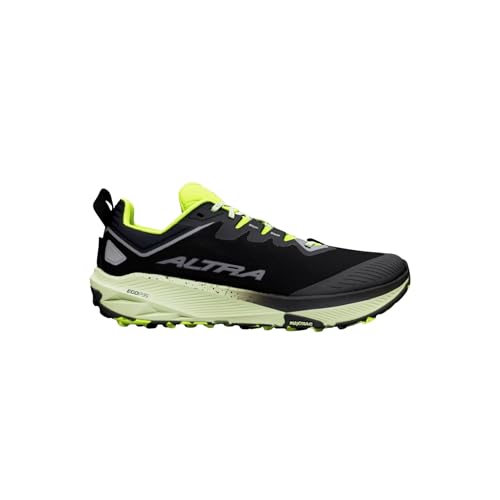
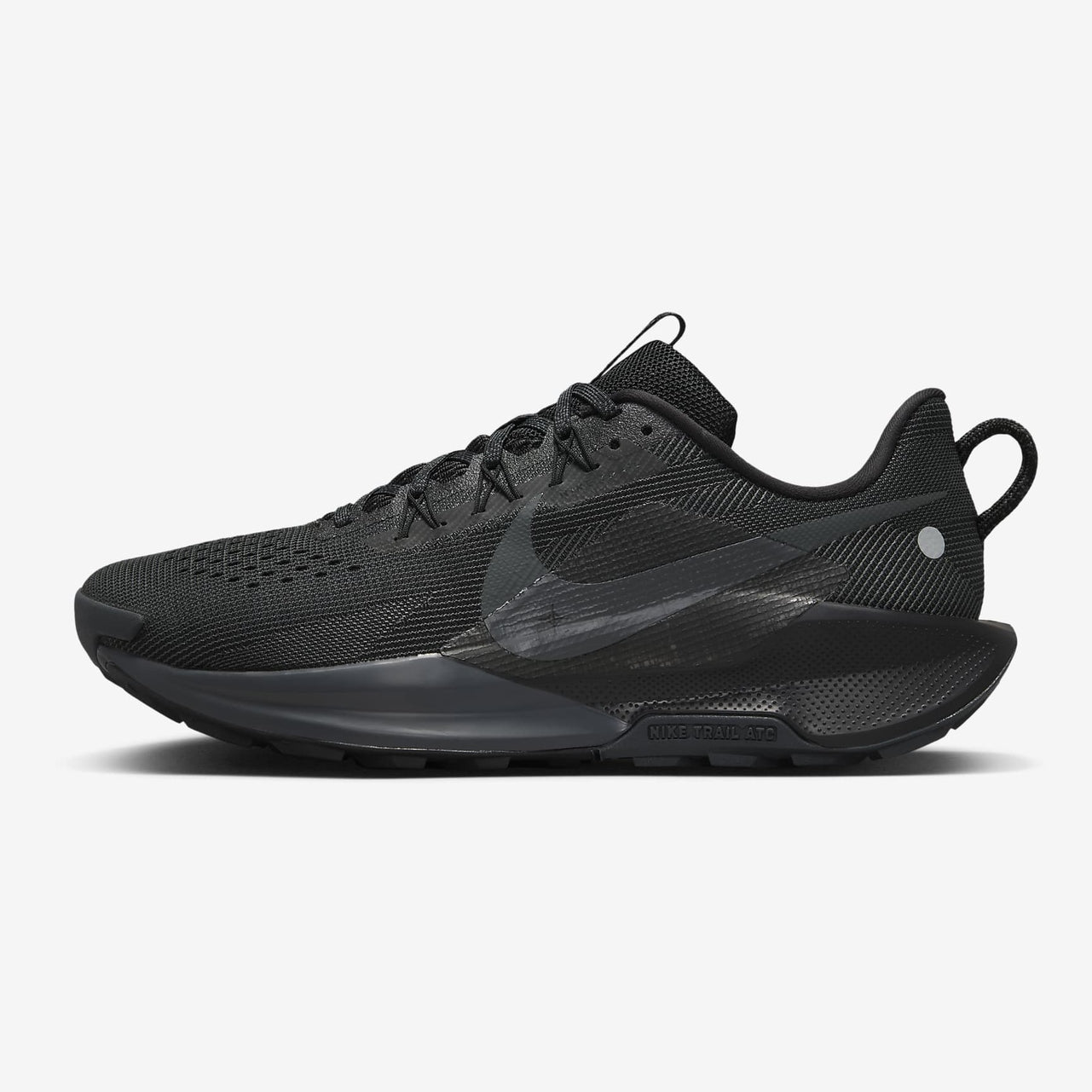
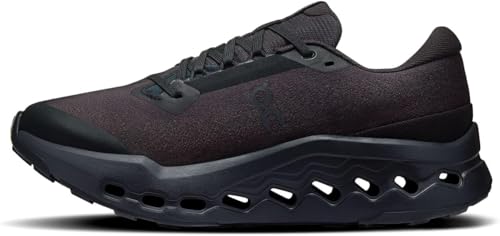
A good road-to-trail shoe feels smooth enough for pavement while retaining enough outsole texture, coverage, and stability for gravel and moderate paths. Favor low-to-moderate lugs with broad contact areas, durable rubber in high-wear zones, a stable cushioned platform, and an upper that holds the foot without the bulk of a technical mountain shoe. The correct balance depends on the route split. A mostly paved run with a park loop needs road manners first; a mostly trail run connected by streets should lean toward traction and protection.
Describe the transition, not just the trail
Road-to-trail can mean a mile of sidewalk before smooth singletrack, a network of crushed-stone paths, or a long gravel road with occasional rocky shortcuts. Those routes place different demands on the same pair. Write down the approximate percentage of pavement, compact gravel, loose gravel, and uneven trail. Add the longest uninterrupted road section, because ten continuous paved miles feel different from the same distance broken into short links.
Surface maintenance matters. Fine, rolled gravel behaves much like a firm road and rewards a smooth outsole. Deep pea gravel shifts underfoot, calling for more edge and a broader platform. Park trails may become muddy after rain even if they are gentle when dry. A route beside a canal can be flat but abrasive, while a fire road can include steep grades and fist-sized stones.
Choose for the recurring route rather than the most dramatic trip you might take once. A hybrid shoe should make the common miles pleasant and the occasional rough section manageable. If technical terrain becomes a regular feature, a true trail shoe may be the more honest tool.
Outsole design determines whether the compromise works
On pavement, the outsole should place enough rubber on the ground to roll quietly and consistently. On gravel, it needs edges that resist sliding across loose particles. Low or moderate lugs with wide faces often bridge those needs. They create bite without the squirm and slap of tall, widely spaced mud lugs.
Look for continuous or strategically connected rubber through the main landing and toe-off zones. Large exposed-foam areas can reduce weight, but sharp gravel may chew the foam and small stones may lodge in deep channels. A completely solid slab of rubber is not automatically better; flex grooves help the shoe bend and can improve the transition on road.
The heel pattern matters for downhill gravel, where braking occurs on a moving layer. Defined rear edges and perimeter coverage add confidence. In the forefoot, enough rubber under the big toe supports pavement toe-off. If wet rock or wooden bridges appear on the route, rubber compound deserves attention alongside tread geometry. A durable hard compound may last well on asphalt yet feel slick on damp smooth surfaces.
Cushioning should remain stable on loose ground
Road cushioning absorbs repetitive impact, while trail geometry must cope with uneven support. A road-to-trail midsole should feel comfortable on hard surfaces without collapsing at the edge when one side lands on gravel. Moderate stack heights are easy to adapt across surfaces, but taller shoes can also work when the base is broad and the foam is controlled.
Rockered soles can make pavement miles feel efficient, though an aggressive rocker may reduce natural forefoot adaptation on rough ground. Test whether the shoe allows small placement corrections rather than forcing every step through the same path. Flexibility at the forefoot helps on climbs and uneven gravel, while some torsional structure keeps the platform from twisting excessively.
Heel-to-toe drop should reflect the runner's normal training rather than a terrain label. If most weekly miles use a moderate-drop road shoe, a similar hybrid geometry simplifies the transition. Switching abruptly to a low or zero-drop model adds calf and foot demand that has nothing to do with gravel grip. A mixed route already changes loading; the shoe does not need to introduce another sudden change.
As an Amazon Associate, we may earn from qualifying purchases.
View the mid-guide match on AmazonFit for descents without sacrificing road comfort
Pavement encourages repetitive motion, so small pressure points can become irritating. Trails add lateral movement and downhill sliding. The hybrid fit must therefore be comfortable in a straight line and secure when the route bends or tilts.
Leave enough space ahead of the toes for descending, but prevent the heel from lifting on climbs. The midfoot should feel held rather than squeezed. A gusseted tongue can keep small stones out and stop the tongue drifting, though heavy padding is unnecessary for many gravel routes. The forefoot needs enough width for toe spread as the foot swells, especially on long outings.
Try a few quick direction changes and stand on a sloped surface. If the foot slides over the edge of the platform, the upper may be too stretchy or the last too broad through the waist. Conversely, a narrow toe box that feels acceptable in the first mile can become painful after sustained pavement. Road-to-trail fit is not loose comfort; it is a stable hold with room where the foot expands.
Choose the upper and protection for real hazards
A technical toe cap and heavy overlays add protection but may make a hybrid shoe warm and stiff. For groomed paths and fine gravel, a reinforced mesh toe and durable side panels are often sufficient. If the route includes brush, sharp stones, or debris, more structure becomes worthwhile.
Breathability generally matters because pavement sections generate heat and lack the cooling pauses of technical terrain. Waterproof versions can help on wet grass, shallow puddles, or cold commutes, but they may hold heat and are not necessary for every gravel runner. If water is likely to enter over the collar, a quick-draining upper may be preferable.
Inspect the point where upper and midsole meet. Gravel dust works into flex areas, and repeated road miles create many identical bends. Durable bonding and a well-attached toe rand can extend useful life. Reflective details are valuable when paved links include low-light traffic, but visibility should also come from clothing and lighting rather than relying on a small shoe accent.
Set the bias from the route percentage
For a route that is about three-quarters pavement, start with a road-like ride and add modest traction. Look for shallow lugs, flexible forefoot rubber, and cushioning that stays pleasant during continuous asphalt. For an even split, prioritize outsole coverage, moderate tread, and a stable base. When three-quarters of the route is trail or loose gravel, begin with a versatile trail shoe that happens to run smoothly on short road links.
Runners who move quickly on road may care about weight and transition, while those covering long gravel distances may value stability and protection more. A plate designed for propulsion is not required; on loose surfaces, predictable contact often matters more than a rigid lever. Some stiff shoes feel efficient on smooth road yet awkward when stones move beneath them.
Use this percentage rule as a starting point, then adjust for consequences. A short wet-rock section can demand more grip than its mileage suggests. A long paved descent can expose harsh lugs even when pavement is a minority. The hardest or longest uninterrupted segment often deserves extra weight in the decision.
Know when two shoes are better than one compromise
A hybrid is ideal when the route genuinely blends surfaces and convenience matters. It is less convincing when training alternates between pure road days and highly technical trail days. In that case, a road shoe and a dedicated trail shoe let each outsole, platform, and upper do a clearer job.
Inspect wear to see whether the compromise is working. Rounded lugs, smooth heel rubber, shredded exposed foam, or a stretched upper reveal which surface dominates. Rotate the shoe before traction is visibly gone if wet gravel and descents remain part of the route. Outsole life varies with body weight, stride, rubber, and pavement abrasiveness, so mileage alone is a poor retirement rule.
The most successful road-to-trail shoe disappears beneath the run. It rolls without clatter on sidewalk, feels planted on gravel, and provides enough hold for moderate dirt without pretending to be a mud or mountain specialist. Choose the surface bias deliberately, test the shoe on a familiar mixed loop, and keep the specialist option for routes where the compromise runs out.
People also ask
Questions that extend this decision
Can road-to-trail shoes be used for everyday road running?
Yes, especially models with shallow lugs, broad rubber contact, and road-like cushioning. They may be slightly heavier or firmer than a pure road shoe, and the outsole can feel noisy on smooth pavement. If nearly every run is paved, a road shoe is usually more efficient. A hybrid earns its place when gravel and dirt appear regularly.
What lug depth is best for gravel roads?
Low-to-moderate lugs are usually effective on compact and loose gravel because they add edges without feeling unstable on pavement. Exact depth matters less than broad contact, perimeter grip, and durable rubber. Tall mud lugs are unnecessary for most gravel and may squirm on road. Choose deeper tread only when the route also includes soft soil or mud.
Are road running shoes safe on gravel?
Many road shoes handle dry, compact gravel well, particularly if the outsole has good rubber coverage and the platform is stable. They become less suitable as gravel gets deep, steep, wet, or sharp. Exposed foam can also wear quickly. Start on a maintained path and assess traction before using a road shoe on faster descents or loose corners.
Do I need a rock plate for road-to-trail running?
Usually not for smooth gravel, canal paths, and groomed park trails. A plate becomes more useful when pointed stones repeatedly press through the sole or the route includes rough technical connectors. It can add stiffness on pavement, so select it for a known protection need rather than as a default feature of every hybrid shoe.
Should road-to-trail shoes be waterproof?
Waterproofing is useful for cold rain, wet grass, and shallow puddles, but it can reduce breathability during long paved sections. For warm weather or routes with deep crossings, a breathable upper that drains may be more comfortable. Consider the duration and depth of water exposure, not simply whether the route is called a trail.
Final verdict
Choose the tradeoff you understand.
A good road-to-trail shoe feels smooth enough for pavement while retaining enough outsole texture, coverage, and stability for gravel and moderate paths. Favor low-to-moderate lugs with broad contact areas, durable rubber in high-wear zones, a stable cushioned platform, and an upper that holds the foot without the bulk of a technical mountain shoe. The correct balance depends on the route split. A mostly paved run with a park loop needs road manners first; a mostly trail run connected by streets should lean toward traction and protection. Fit comes first, the repeated session demand comes second, and the exact current product identity comes third. Use Amazon to verify sizes and options without relying on stale price or stock claims.
As an Amazon Associate, we may earn from qualifying purchases.
Check current options on Amazon