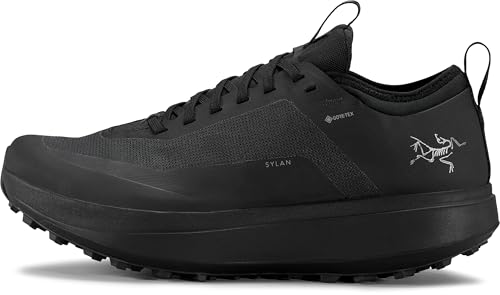
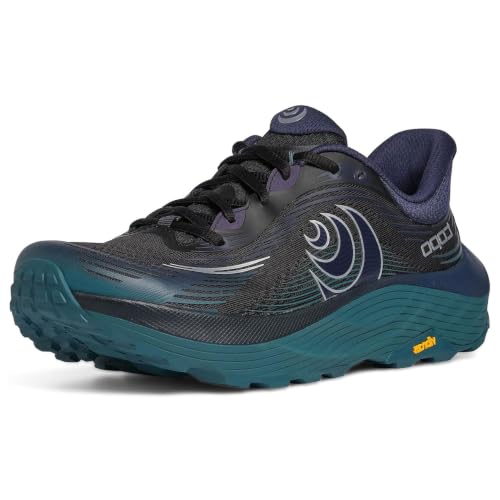

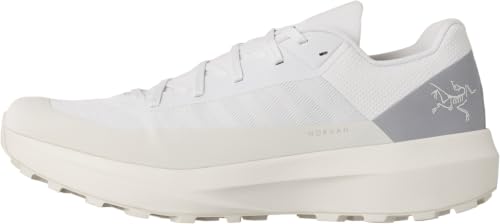
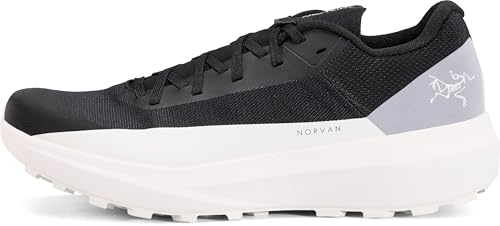

Define the course before the shoe
An ultra can follow smooth forest roads, sharp mountain rock, desert sand, or long stretches of mud. Distance alone does not identify the outsole. Study the course surface, elevation profile, weather range, road connectors, and aid-station spacing. A high-cushion generalist may suit rolling hardpack, while a technical mountain route may reward more precise hold and protection. Wet races can elevate lug spacing and drainage. Some courses change character across the day, requiring a compromise or a planned shoe change where rules and logistics permit. Start with the terrain that has the greatest consequence when tired. The label ultra should describe durability of comfort and function, not one standardized design.
Fit late in the run, not only before it
Feet can gain volume over hours, but runners swell differently. Test race candidates after a long outing or later in the day with the intended socks. Toes need front and side clearance, especially on sustained descents, while the heel and midfoot must prevent forward and lateral drift. Extra length without lockdown can create the same toe impact it was meant to prevent. High-volume uppers, wide sizes, and anatomical forefeet solve different problems. If one foot is larger, fit that side and tune the smaller carefully. Any hot spot noticed at hour two deserves attention; small friction repeated for many more hours rarely becomes less important.
Cushioning must remain coherent under fatigue
Maximum softness is not the only route to long-distance comfort. Foam that feels luxurious for ten minutes may become unstable on off-camber ground, while controlled moderate cushioning can feel dependable deep into a race. Consider stack, base width, rocker, firmness, and how the foot sits within sidewalls. A tall platform can work well when broad and secure. A lower shoe can suit runners who value feedback but may require sufficient rock protection for the course. Test the candidate at the pace and terrain expected, not only during a quick fast run. Late-race efficiency comes from a shoe that asks little attention, not necessarily the shoe with the thickest midsole.
Protection should reduce distraction without excess burden
Rock plates, toe guards, reinforced uppers, and dense outsole coverage can shield feet from repeated sharp contact. Their cost may be stiffness, weight, or reduced drainage. Match protection to exposure: hours of angular stone justify more than a smooth rail trail. Fine dust and debris may make gaiter compatibility useful. Upper durability matters because a small tear can grow during a long event, yet rigid overlays can create flex pressure. Inspect where the shoe bends and where your foot typically rubs. The ideal ultra build makes the course less intrusive while preserving natural movement. Armor that fights every stride is not automatically safer or more comfortable.
As an Amazon Associate, we may earn from qualifying purchases.
View the mid-guide match on AmazonPlan moisture rather than promising dryness
Long events often outlast forecasts. Breathable uppers release heat and drain after crossings, while waterproof models can add warmth in cold shallow moisture. Once water enters above the collar, a membrane may retain it. Choose according to temperature, exposure depth, and how quickly conditions are likely to change. Socks, lubricant or other established blister strategies, and access to drop bags can influence the system, but nothing replaces training in the exact combination. Do not introduce a new waterproof sock or thick liner on race morning. Check that any moisture strategy preserves toe room and does not alter heel hold when wet.
Use long training runs as equipment experiments
A short jog confirms basic fit; it cannot prove ultra comfort. Build exposure through ordinary training, then use selected long runs to test socks, lacing, gaiters, insoles, and the shoe under fatigue. Record toe contact, swelling, hot spots, traction changes, and whether the foam still feels controlled. Test descending late, because forward movement can appear only after the upper relaxes. Rotate shoes so a promising candidate does not accumulate all its wear before race day. Avoid arriving with a completely fresh pair or a nearly exhausted outsole. The purpose of testing is not to guarantee perfection but to replace guesswork with repeated evidence.
Race-day readiness includes inspection
Before the event, examine lugs, exposed foam, upper seams, eyelets, and midsole symmetry. Clean enough dirt to see damage, then let the shoe dry naturally. Replace worn laces and confirm the knot system during training. Pack a second pair only if course access, rules, and your plan make the change practical. Know which conditions would trigger it. A shoe that is comfortable but under-gripped for unexpected mud may justify a swap; ordinary fatigue is not always a footwear problem. Keep choices familiar and simple. Complex contingency plans create little value when every option has not been tested.
Final Verdict
Ultra trail shoes earn their place through sustained fit and predictable performance, not by carrying the most dramatic specifications. Let the course define traction and protection, then test cushioning and swelling room over genuinely long training. Preserve heel and midfoot security even when the forefoot needs expansion space. Treat moisture as a system and avoid race-day experiments. The best candidate is the pair that becomes less noticeable as the hours pass, allowing attention to move toward pace, nutrition, navigation, and the trail. No shoe eliminates uncertainty, but patient testing can reveal whether its compromises align with the demands of the course and the runner.
People also ask
Questions that extend this decision
Should ultra trail shoes be a half size larger?
Not by default. Choose additional length only when long-run testing shows front clearance is insufficient and the larger shoe still locks down. Width or upper volume may solve swelling more precisely.
Are max-cushion shoes best for ultramarathons?
They suit many runners, but stack alone does not determine comfort. Platform control, fit, terrain, foam behavior, and protection matter. Some runners prefer moderate cushioning or more ground feedback over long distances.
Do I need a rock plate for a 50K?
The course decides more than the distance. Sharp rocky terrain can justify a plate or equivalent protection; smooth dirt may not. Consider how stiffness and ground feel interact with your preferences.
Should I race in waterproof ultra shoes?
They can suit cold shallow moisture, but breathable shoes usually drain and release heat better after deep water entry. Test the exact weather system on long runs before choosing it for an event.
How many miles should be on shoes before an ultra?
Enough to confirm fit and complete key long-run testing, but not so many that traction or cushioning is meaningfully worn. There is no universal number because models, terrain, runners, and race demands differ.
Final verdict
Choose the tradeoff you understand.
Choose ultra trail running shoes for all-day fit, terrain-specific traction, controlled cushioning, and protection that remains comfortable as fatigue grows. Test them during long training runs with race socks and any gaiters or insoles. Allow proven swelling room without accepting heel slip, and prioritize predictable function over a dramatic first impression. Fit comes first, the repeated session demand comes second, and the exact current product identity comes third. Use Amazon to verify sizes and options without relying on stale price or stock claims.
As an Amazon Associate, we may earn from qualifying purchases.
Check current options on Amazon