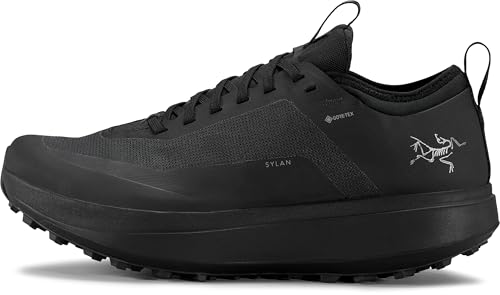


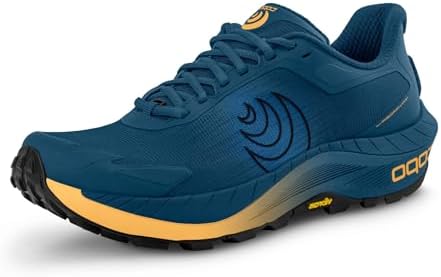


Zero drop is geometry, not a complete philosophy
The term describes a difference: the listed heel stack and forefoot stack are equal. It does not reveal total height, foam softness, rocker, flexibility, or ground feel. A zero-drop shoe can place abundant material beneath the foot, while a higher-drop model may sit close to the trail. This distinction prevents a common purchasing error. Runners sometimes choose zero drop expecting a barefoot sensation and receive a tall cushioned platform; others avoid it because they assume there is no protection. Read the full specification and inspect the shoe. Drop narrows one geometric question. Terrain, fit, base width, tread, and underfoot construction still determine how the model behaves.
Begin with your current reference point
Look up the stated drop of shoes you already run in comfortably, including the exact edition. A move from 8 or 10 millimeters to zero is more substantial than switching from a familiar low-drop model. The number does not predict every response, but it helps reveal how many variables are changing. Record cushioning, stack, and rocker too. If the new shoe changes all of them, any unfamiliar sensation becomes difficult to attribute. Some runners enjoy the level platform immediately; others prefer their previous geometry. Neither result proves a universal rule. The useful question is whether the complete shoe works for your feet, training history, and route.
Fit still controls the trail experience
A level platform cannot compensate for a loose heel or crowded forefoot. The rearfoot should remain seated on climbs, and the midfoot should prevent sideways drift. Toes need usable space for splay and downhill clearance without an oversized cavity that invites rubbing. Many zero-drop families use anatomical toe shapes, but broad toes and true wide sizing are not identical. Check whether the sole supports the whole forefoot and whether the heel matches your volume. Try both feet on a slope with the intended socks. If the shoe only feels secure under painful lace tension, find another last. Geometry is worth considering only after ordinary fit passes.
Choose stack and protection for the surface
Smooth dirt can suit a flexible, lower platform, while sharp rock may call for more foam, a rock plate, or denser underfoot material. High stack adds separation from the ground but must remain controlled on off-camber landings. A broad base and supportive upper can make a cushioned zero-drop shoe feel composed; a narrow or very soft platform may feel less precise. Ground feel is a preference, not proof of capability. For mud, outsole depth and spacing dominate. For wet rock, rubber and stable contact matter. Treat zero drop as one filter inside the terrain decision rather than the reason to ignore everything below the midsole.
As an Amazon Associate, we may earn from qualifying purchases.
View the mid-guide match on AmazonTransition by exposure, not by a rigid calendar
If the geometry is unfamiliar, begin with short relaxed outings on forgiving ground and keep your usual shoes in rotation. Repeat a comfortable dose before adding distance, speed, or steep climbing. Pay attention later that day and the following morning, because reactions can appear after the run. There is no universal seven-day or four-week schedule; training background and the size of the change differ. Persistent pain, altered movement, or worsening symptoms are reasons to stop forcing the experiment and seek qualified advice. Adaptation is not a test of character. The goal is to learn whether the shoe works, not to earn the right to wear it.
Avoid changing an entire training system at once
A first zero-drop trial should not coincide with a sudden mileage jump, new speed block, and technical mountain trip. Changing multiple loads makes the outcome hard to interpret. Keep route, effort, and duration familiar while the footwear is new. If possible, choose cushioning and fit similar to a known shoe so drop is the clearest difference. Walking can provide low-intensity exposure, but it does not guarantee readiness for long running. Rotate rather than discard successful footwear. A mixed collection is not inconsistent; different shoes can serve different routes, and a gradual comparison produces better information than an abrupt conversion.
Questions to answer before buying
Can you identify your current drop? Does the candidate fit without pressure? Is its outsole appropriate for your normal trail? Does its stack feel stable on lateral movement? Are you willing to reduce initial exposure if the change is large? Is the wide-toe shape actually supported by the sole? These questions are more useful than asking whether zero drop is inherently natural or superior. Verify the exact model version because updates can alter fit, foam, and tread while the family name persists. A thoughtful shortlist might contain zero-, low-, and moderate-drop options if each solves the terrain and fit problem well.
Final Verdict
Zero-drop trail shoes are a valid geometry choice, not a universal upgrade. Select them when the level platform interests you and the complete model fits your foot, grips your terrain, and supplies suitable protection. Distinguish drop from stack and minimalism, then compare against the footwear you already use comfortably. A substantial change deserves gradual exposure with other training variables held steady. If the experiment feels good, progression can be patient and uneventful. If it does not, returning to a different drop is a practical decision rather than a failure. The best platform is the one that supports consistent comfortable running on the routes you actually choose.
People also ask
Questions that extend this decision
Are zero-drop trail shoes the same as barefoot shoes?
No. Zero drop only means equal listed heel and forefoot heights. Barefoot-style footwear usually also emphasizes low stack, flexibility, and minimal structure. A zero-drop trail model can be highly cushioned and protective.
Can beginners wear zero-drop trail running shoes?
They can, but runners coming from higher offsets should treat the geometry as a change and begin gradually. A versatile moderate-drop shoe may offer an easier first trail experience when several new demands are already being introduced.
Do zero-drop shoes prevent injuries?
No footwear geometry can promise injury prevention. Individual history, training load, terrain, fit, and many other factors matter. Choose for comfort and function, progress sensibly, and consult a qualified professional about persistent symptoms.
Can zero-drop trail shoes have maximum cushioning?
Yes. Drop describes the difference between heel and forefoot height, while stack describes the amount beneath the foot. Both locations can be tall and still have a zero-millimeter difference.
Should road and trail shoes have the same drop?
They do not have to match, but similar geometry reduces one source of change. If the trail shoe differs substantially, account for that transition rather than assuming varied terrain makes the number irrelevant.
Final verdict
Choose the tradeoff you understand.
Zero-drop trail running shoes place the heel and forefoot at the same listed height. They can be thickly cushioned or minimal, flexible or stiff. Start with fit and terrain, then compare stack, outsole, and protection. If zero drop is a major change from your current shoes, introduce it through short easy runs instead of replacing your entire rotation immediately. Fit comes first, the repeated session demand comes second, and the exact current product identity comes third. Use Amazon to verify sizes and options without relying on stale price or stock claims.
As an Amazon Associate, we may earn from qualifying purchases.
Check current options on Amazon