
adidas Terrex · Exact Amazon product
Product-first buyer collection
Long-distance cushioning, protection, fit and fueling-room considerations.
Read the supporting guides ↓As an Amazon Associate, we may earn from qualifying purchases.
adidas Terrex · Exact Amazon product
 View on Amazon
  View on Amazon
 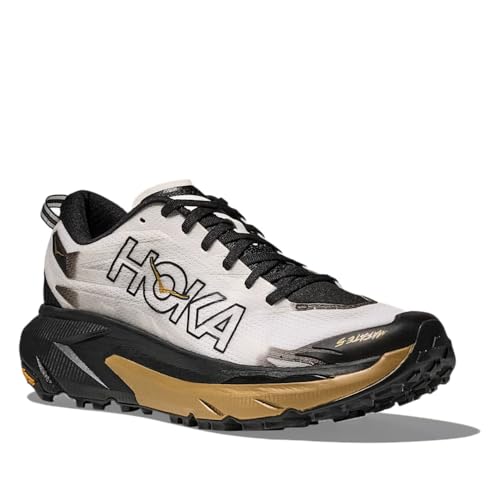 View on Amazon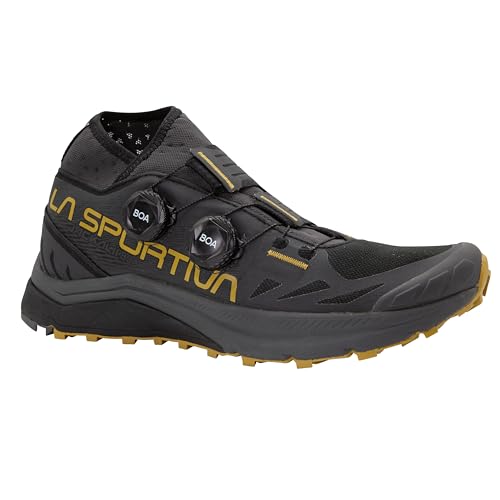
La Sportiva · Exact Amazon product
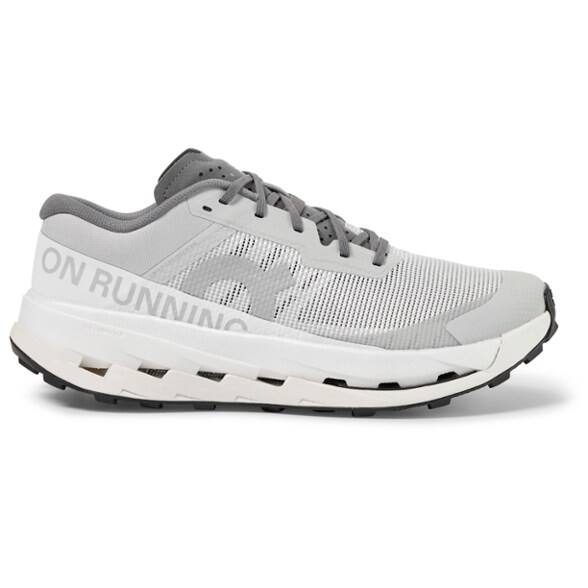 View on Amazon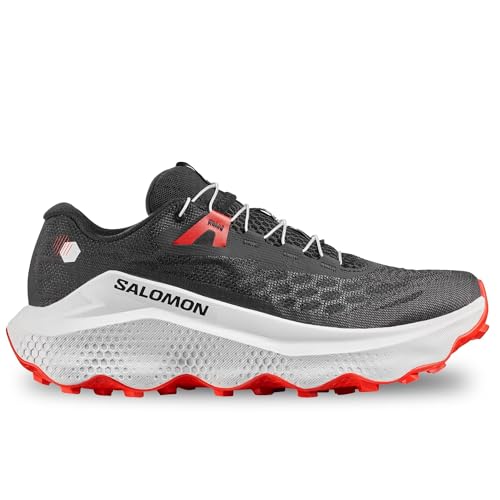
Salomon · Exact Amazon product
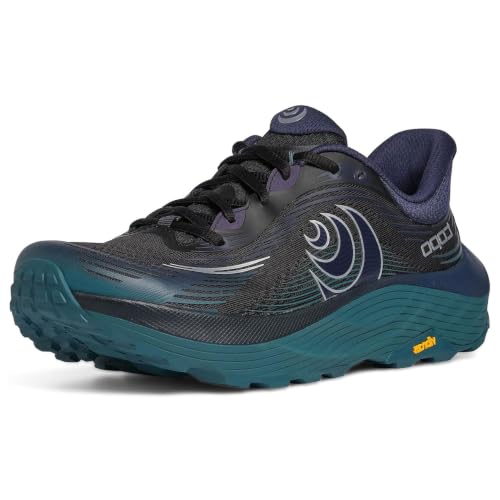
Topo Athletic · Exact Amazon product
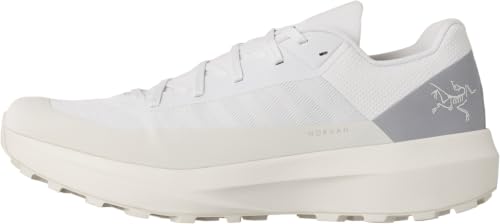
Arc'teryx · Exact Amazon product
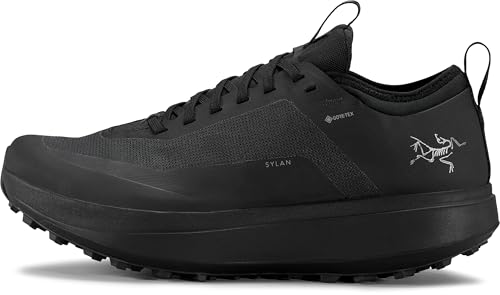
Arc'teryx · Exact Amazon product
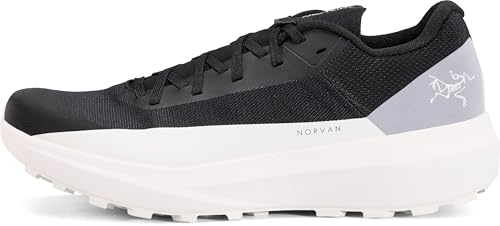
Arc'teryx · Exact Amazon product
 View on Amazon
 Decision checkpoint
Choose enough cushioning and protection for the long part of the run without making the platform too vague for its technical sections. Familiar drop and secure fit remain the first filters.
Topical support
Choose ultra trail running shoes for all-day fit, terrain-specific traction, controlled cushioning, and protection that remains comfortable as fatigue grows. Test them during long training runs with race socks and any gaiters or insoles. Allow proven swelling room without accepting heel slip, and prioritize predictable function over a dramatic first impression.
paaBegin with the routes that will account for most of the shoe's mileage, not the adventure you might attempt once. Smooth dirt, gravel, and paved connectors favor shallow or moderate tread. Rocky singletrack benefits from secure fit, durable rubber, and underfoot protection. Mud and soft soil call for deeper, widely spaced lugs. Wet slabs place more emphasis on sticky rubber than dramatic tread depth.
paaHeel-to-toe drop is the difference in height between the heel and forefoot inside a shoe. A 6 mm shoe places the heel about 6 mm higher than the forefoot; it may still be highly cushioned or relatively low to the ground. The most useful starting point is the drop you already run in comfortably, followed by a gradual comparison if you want something different.