



Toe room is a moving target
The front of a trail shoe is easy to judge while standing and surprisingly difficult to judge while running. On level ground, the toes may sit comfortably behind the bumper. On a steep descent, the foot shifts forward and the shoe bends, reducing that margin. Heat and distance can increase foot volume, while a thicker sock occupies space from the start. This is why a static measurement never tells the whole story. Good toe room protects the nails and joints while allowing the toes to help with balance. It does not leave the forefoot floating. A shoe can be too short, too tapered, too shallow or too loose, and each problem feels different. Learn to identify the direction of pressure before changing size. The aim is functional clearance under the conditions you actually run, not the largest cavity you can find.
Think in length, width and height
Length is the space between the longest toe and the front of the shoe. Remember that the second toe is longest for some runners. Width is the room around the big- and little-toe joints and the shape available for splay. Height is the vertical clearance over the toes and nails. A shoe may pass a length check but taper so sharply that the outer toes curl inward. Another may look broad from above but press down on a raised big toe. Remove the insole and stand over it for a rough view of footprint versus platform, but do not treat this as a final verdict. The upper, bumper and lacing change usable space. Identify where contact occurs: front contact suggests length or forward movement; side contact suggests shape or width; top contact suggests insufficient height or volume.
Why the thumb-width rule is incomplete
A thumb's width in front of the toe is a familiar fitting shortcut. It can screen out an obviously short shoe, but thumbs vary, feet differ and the test says nothing about downhill movement. It also encourages people to focus on empty length while ignoring a tapered toe box. Use it only as an initial reference. Follow with a descent simulation, quick stop and side-step test. If the toes remain clear and the foot stays centered, the space is working. If the toes strike despite ample measured length, improve heel and midfoot lockdown. If the shoe feels vague and creases far ahead of the ball of the foot, it may be too long. A practical test beats a universal number because the shoe must function as a whole.
Toe splay helps, but the foot still needs a platform
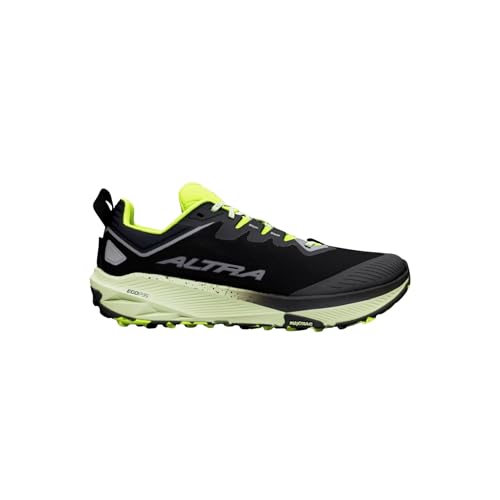
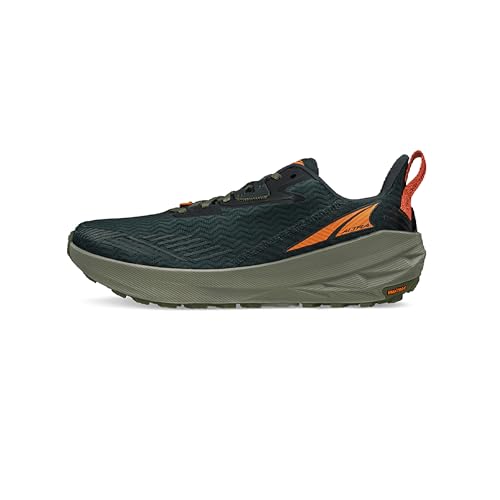
A roomy toe box allows toes to settle naturally rather than being forced into a point. That can improve comfort, especially as feet swell. Yet visible upper room is not enough. Check whether the outsole and midsole extend beneath the toe joints. If the foot bulges over a narrow base, the shoe may feel soft in the store but unstable on rocks and corners. The upper also needs enough structure to keep the forefoot from sliding sideways. Anatomical shapes are valuable when they match your foot, but not every broad-looking toe box fits every toe pattern. Some feet are widest at the ball; others maintain width toward the toe tips. Match the curve rather than choosing a shape because it is fashionable or associated with a particular running philosophy.
As an Amazon Associate, we may earn from qualifying purchases.
View the mid-guide match on AmazonDownhill fit reveals the truth
Find a safe ramp, stairs or fitting-store incline. Lace the shoe as you would for a run, bend the knees and press forward into a downhill stance. Make a few controlled stopping motions. The toes should not strike the bumper, and the nails should not feel pressure from above. Notice whether the heel rises or the midfoot slides. If forward movement causes contact, use a runner's loop or adjust the middle eyelets before reaching for a longer shoe. Persistent contact with a secure heel means more length or a different shape is needed. Test both feet and repeat after several minutes, when the upper has warmed. For long-race shoes, repeat the assessment after a training run in another pair so the feet are closer to their expanded state.
How distance and weather change the allowance
A short, cool trail run may require little additional expansion room. An all-day summer event can make a previously generous forefoot feel crowded. Runners differ greatly, so use experience rather than copying another person's size increase. Notice whether current shoes leave deep marks, create numbness or begin touching the toes late in long runs. Winter complicates the equation: thick socks reduce available room, but cold conditions do not always produce the same swelling as heat. Waterproof uppers may flex less than mesh versions. If seasonal setups differ substantially, one shoe may not fit both well. The sensible allowance is enough for the largest expected foot volume while retaining secure control for the route's technical demands.
Reading common toe problems
Black or bruised nails often follow repeated contact with the front or top of the shoe, especially on descents. Blisters between toes can reflect crowding and moisture, while rubbing along the outer toe joint usually points to taper or insufficient width. Numbness can come from tight laces, a shallow upper or a narrow forefoot. A blister beneath the forefoot may indicate that the shoe is too loose and the foot is sliding. These are clues, not diagnoses. Change one variable at a time: improve lockdown, adjust lacing, compare width, then compare length. Persistent pain, altered sensation or repeated nail injury deserves professional attention. The answer is rarely to endure the problem until the shoe softens; the protective bumper and sole shape will not stretch into a new last.
A final toe-box checklist
Stand with full weight on both feet. Confirm that every toe lies naturally and that neither toe joint spills beyond the platform. Wiggle the toes without lifting the whole forefoot. Press downhill and stop firmly; there should be no front or nail contact. Turn side to side and verify that the foot remains centered. Keep the smaller size only if it passes those tests after warming up. Choose a longer size only when length is truly missing. Choose a wider or differently curved last when the pressure is lateral. Choose more upper volume when contact is vertical. The ideal toe box is not merely roomy. It is correctly shaped, supported underneath and paired with a heel and midfoot that make the room usable on real terrain.
People also ask
Questions that extend this decision
Should my toes touch the end of trail running shoes?
No. Toes should remain clear of the front while standing and during a controlled downhill test. Occasional brushing usually becomes repeated impact on long descents, so improve lockdown or choose more appropriate length before running outside.
Is a thumb's width of toe room enough?
It is a rough starting point, not a guarantee. Follow it with downhill, turning and flex tests. Width, height and forward sliding can make a shoe unsuitable even when the empty length looks correct.
Can the toe box be too roomy?
Yes. If the forefoot slides laterally or the toes grip to stabilize themselves, the extra space is working against you. Look for toe freedom combined with a supportive platform and secure midfoot rather than maximum volume.
Should I size up to get more toe room?
Size up when front clearance is the actual problem and the larger size still holds the heel. If pressure is on the sides or top, a wider, taller or differently shaped toe box is more precise than added length.
Do toes need more room for ultramarathons?
Many runners need more expansion room for long, hot events, but the amount is personal. Test race shoes after long training sessions and preserve technical lockdown. Extra space that causes sliding can create its own blisters and instability.
Final verdict
Choose the tradeoff you understand.
Trail running shoes need enough room for the toes to spread and remain clear of the front when you brake downhill, but not so much that the forefoot slides around. Judge toe room in three dimensions: length ahead of the longest toe, width around the toe joints and height over the nails. Secure heel and midfoot fit must keep that space usable. Fit comes first, the repeated session demand comes second, and the exact current product identity comes third. Use Amazon to verify sizes and options without relying on stale price or stock claims.
As an Amazon Associate, we may earn from qualifying purchases.
Check current options on Amazon