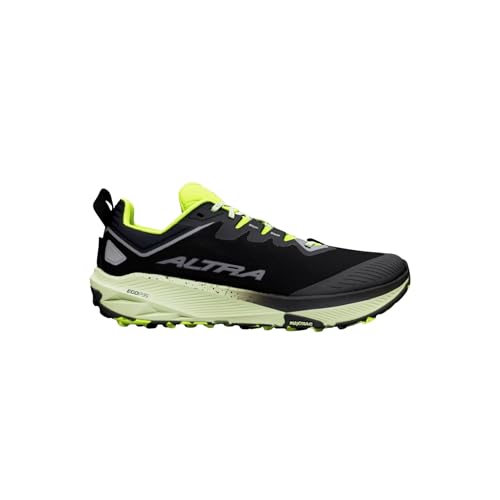

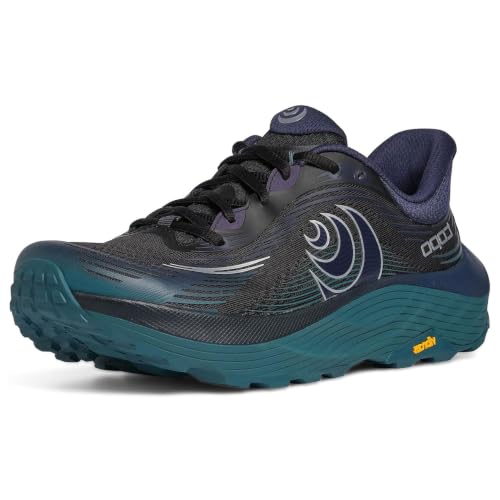
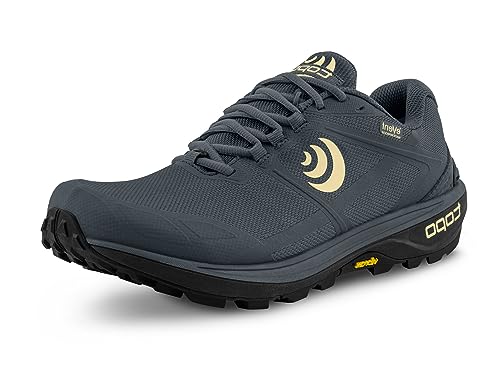
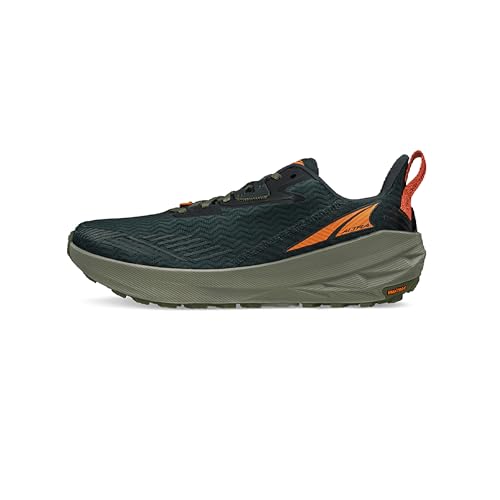

Wide feet need shape, not just a bigger number
Shopping for wide trail shoes becomes frustrating when every recommendation treats width as one measurement. Feet can be broad at the toes, across the ball, through the midfoot or around the heel. They can also be high volume, which means they need more space above the foot rather than only from side to side. A model praised for a roomy toe box may still squeeze a broad midfoot. A traditional wide size may feel baggy at the heel. Trail terrain makes these mismatches more obvious because the foot loads the upper while turning and crossing slopes. The goal is not maximum room everywhere. It is enough space at the widest and highest points, paired with a secure rearfoot. Begin by identifying where your current shoes press, bulge or leave marks. That location tells you far more than the width letter printed on the label.
Four kinds of room to compare
First is toe-box shape: tapered shoes pull the toes inward, while anatomical shapes follow a broader forefoot. Second is platform width, the actual base supporting the foot. A soft upper can stretch over a wide foot even when the sole underneath is too narrow, leaving the foot perched over the edge. Third is midfoot and instep volume. Runners with a broad midfoot or high instep may feel lace pressure even in a spacious forefoot. Fourth is heel volume. Many wide-foot runners still have relatively narrow heels and need a shaped cup or adaptable lacing. Product descriptions rarely explain all four, so reviews should. When comparing candidates, note whether width comes from the upper alone or from the sole, whether the toe box is round or tapered and whether a true wide version changes the whole last.
Wide size and wide toe box are not synonyms
A true wide size generally increases circumference around the foot, though brands implement it differently. A wide toe box may give the toes more lateral space while leaving the midfoot and heel close. That shape can be ideal for a runner with toe splay and a narrow heel, but disappointing for someone whose entire foot is broad. Foot-shaped shoes also vary: some are widest at the toe tips, others at the ball of the foot. Do not assume that sizing up creates a wide fit. The longer shoe may place its widest point too far ahead, while the original pressure remains. Whenever possible, compare the regular and wide versions side by side. Remove the insoles for a rough visual check, then put them back and test the complete shoe because upper tension and platform shape determine the real experience.
Lockdown is the other half of a wide-foot fit
Extra forefoot space is valuable only when the rest of the shoe controls movement. On a cambered trail, a loose upper lets the foot slide toward the downhill edge. On a descent, poor heel hold sends the toes forward even inside a long shoe. Use lacing to separate the fit zones. Keep the lower laces comfortable over the forefoot, add a firmer hold through the midfoot and use a runner's loop if the heel lifts. Some shoes use internal straps or structured overlays to improve hold without narrowing the toe box. Test them with quick direction changes rather than judging from a straight walk. If the foot moves over the side of the platform, the shoe is too roomy or the base is too narrow. If stopping movement requires painful tension, the last does not match you.
As an Amazon Associate, we may earn from qualifying purchases.
View the mid-guide match on AmazonMatch width with terrain and distance
Smooth gravel and wide paths allow a more relaxed fit because lateral forces are modest. Rocky, technical trails demand better precision, making heel shape and midfoot security especially important. Long-distance runners need room for swelling, but a very soft, high-volume shoe can become unstable as fatigue increases. Mud adds another challenge: the outsole may grip while the foot slides inside the upper. Waterproof versions can feel different from their breathable counterparts, so do not assume the same size and width will transfer. For long or hot outings, prioritize uppers that accommodate some expansion without losing structure. For technical routes, look for a broad platform under the foot, not simply stretchy fabric around it. The ideal wide shoe supports the whole intended route rather than winning a toe-wiggle contest in the living room.
How to assess wide trail shoes before keeping them
Try them late in the day with the socks and insoles you use. Stand normally and notice whether the little-toe joint or big-toe joint hangs over the sole. Check the top of the foot for lace pressure. Walk down a safe incline and make sure the toes stay clear of the front. Step sideways and turn sharply; the foot should remain centered over the platform. After several minutes, remove the shoes and look for redness or deep marks. A faint sock pattern is ordinary, but a focused pressure line reveals a mismatch. Compare at least one alternative shape, not just a larger size of the same model. Keep the outsole clean until the decision is made. Width problems sometimes appear only after the upper warms, which is why a brief stand-and-wiggle test is not enough.
Shortlisting shoes without pretending one brand fits everyone
A useful wide-foot shortlist should sort models by fit type. Include true wide and extra-wide options for runners broad through the midfoot. Create a separate group for anatomical toe boxes with secure heels. Note non-zero-drop choices for runners who do not want to make a sudden transition to zero drop. Flag waterproof variants and whether they retain the same width. Then filter by terrain: shallow lugs for road-to-trail and gravel, deeper spacing for mud, and stable protective platforms for rocks. Brand reputation is a clue, not proof. Even companies known for roomy shoes make models on different lasts, and updates can change fit. The final recommendation should be tied to a foot shape and use case, not a universal ranking.
Mistakes that make wide-foot shopping harder
The most common mistake is buying extra length to escape side pressure. The next is accepting heel slip because the toes finally feel free. Runners also mistake a stretchy upper for a supportive wide fit, overlook the width of the platform and assume men's sizing automatically solves a women's fit problem. Cross-sizing can help some people, but heel shape, volume and size conversion still need testing. Another mistake is changing width, drop and cushioning at the same time, then not knowing which change caused discomfort. Preserve familiar geometry where possible while solving the width issue. Finally, do not ignore persistent pain, numbness or recurring blisters. A qualified shoe fitter can identify a shape mismatch, while a clinician is the right person for ongoing symptoms. Comfort should be repeatable, not something you negotiate with on every run.
People also ask
Questions that extend this decision
Which trail running brands are best for wide feet?
Several brands offer wide sizes or anatomical toe boxes, but fit varies by model and version. Build a shortlist around the location of your width, desired drop and terrain, then test the specific shoe rather than relying on brand reputation alone.
Is a wide toe box enough for wide feet?
Only if your width is concentrated in the forefoot. A broad midfoot or high instep needs room farther back and sometimes a genuinely wide last. A wide toe box with a narrow platform can still feel unstable or restrictive.
Should wide-foot runners size up?
Not as the first solution. Extra length can create heel slip without relieving pressure at the ball or midfoot. Try a wide width, a higher-volume upper or a different toe-box shape at the correct length before moving up.
Can a trail shoe be too wide?
Yes. Excess volume lets the foot slide during turns and descents, which can cause friction and reduce control. The toes need freedom, but the heel and midfoot should remain centered and secure without extreme lace tension.
Do waterproof trail shoes come in wide sizes?
Some do, but availability is usually narrower than for breathable models. A membrane version may also feel less flexible or lower in volume. Test the exact waterproof model and width instead of assuming it matches the standard upper.
Final verdict
Choose the tradeoff you understand.
The best trail running shoes for wide feet provide space where your foot is actually broad while keeping the heel and midfoot stable. Look beyond the word wide: check whether the model has a wider platform, a foot-shaped toe box, extra midfoot volume or multiple width options. The right choice lets toes spread without allowing the foot to slide on uneven terrain. Fit comes first, the repeated session demand comes second, and the exact current product identity comes third. Use Amazon to verify sizes and options without relying on stale price or stock claims.
As an Amazon Associate, we may earn from qualifying purchases.
Check current options on Amazon