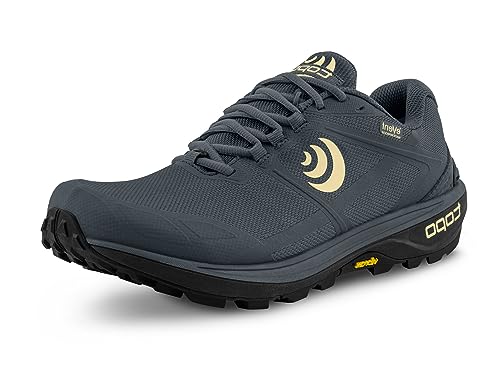

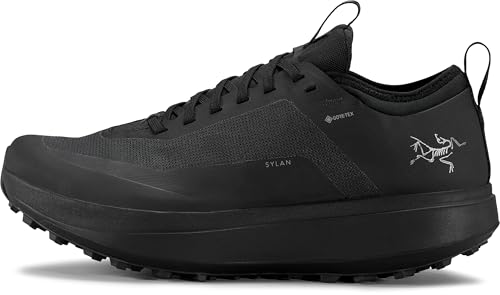

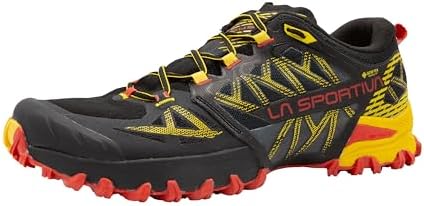
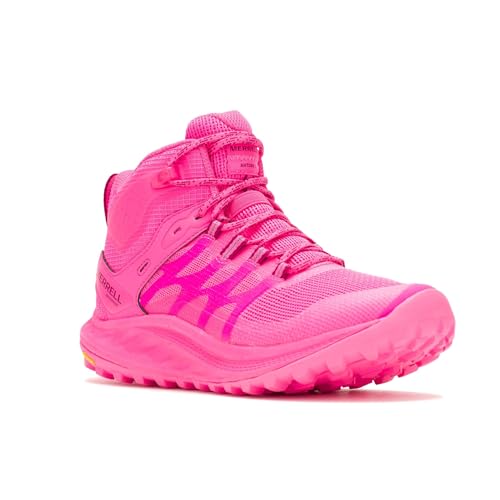
Waterproof and drainage solve different problems
A waterproof trail shoe uses a membrane or barrier intended to resist water entering through the upper. A draining shoe takes a different approach: its upper is breathable and its construction allows water that enters to leave more readily. One tries to delay wetness from the outside; the other manages wetness after it arrives. Calling one universally superior misses the conditions that make each strategy useful.
The shoe opening is the unavoidable boundary. Step into water above the collar, and water can enter a membrane shoe from the top. Once inside, it may escape more slowly than it would from a non-waterproof upper. In shallow puddles, wet grass, light snow, or persistent drizzle below the collar, the membrane may keep external moisture away longer. The choice depends less on whether the forecast contains rain and more on how water will contact the shoe.
Where waterproof trail shoes make sense
Cold, damp routes are the clearest use case. A membrane can reduce water passing through the upper during shallow splashes and contact with wet vegetation. It can also reduce airflow, which some runners experience as welcome warmth in cool conditions. Short hikes, winter trail runs, and stop-start outings may benefit because the cost of cold feet feels larger than the cost of extra warmth.
The rest of the shoe still has to fit the route. Waterproofing does not create grip on mud, wet rock, or ice. Lug geometry, rubber, surface contamination, and technique remain relevant, and no outsole guarantees traction. A membrane version may fit or flex differently from the standard edition because of added internal layers. Confirm the exact model and try it with the socks intended for cold-weather use.
Where drainage wins
Warm weather and unavoidable immersion favor a shoe that releases water and heat. If a route includes repeated fords deeper than the collar, waterproof construction cannot prevent top entry. A porous upper may become wet immediately, but it can shed water as the runner continues. Thin, non-absorbent socks and a secure fit help manage the experience; the goal is not instant dryness.
Breathability also matters when most moisture comes from inside the shoe. Feet generate heat and sweat, and a less permeable upper can feel warmer. Individual responses vary with pace, humidity, socks, and shoe volume. A well-ventilated model is not guaranteed to prevent blisters, just as a membrane is not guaranteed to cause them. Fit, friction, moisture, duration, and foot care interact.
Use the collar-depth test
Before comparing materials, picture the wettest point on the route. Is it dew brushing the upper, shallow puddles, ankle-deep streams, or sustained water above the shoe? If outside water is likely to stay below the collar, a membrane can perform its intended job. If immersion above the collar is expected, choose how you want to manage water after it enters.
Gaiters can reduce debris and some splashing around the opening, but they do not turn a low shoe into a sealed boot. Waterproof socks move the barrier closer to the foot and may be an alternative for particular conditions, yet they introduce their own fit, warmth, and moisture-management questions. There is no magic setup that keeps water out during every crossing while remaining as cool and fast-draining as open mesh.
As an Amazon Associate, we may earn from qualifying purchases.
View the mid-guide match on AmazonTemperature is the second decision
A cool, breezy day changes the cost of wet feet. Protection that feels clammy in summer may feel comfortable near freezing. In warm and humid conditions, trapped heat may dominate even if rain is falling. Use the combination of temperature and water depth, not precipitation alone. A cold, shallow-wet route points toward waterproof protection; a warm route with deep crossings points toward drainage.
Run length changes the calculation as well. On a short outing, a membrane may delay wetness until the finish. On a long route, water may eventually enter through the collar or moisture may build internally, after which slow drainage becomes more noticeable. That does not make the membrane defective; it means the exposure exceeded the simple “keep outside water from crossing the upper” scenario.
Mud, snow, and wet rock need separate thinking
Mud requires lugs that penetrate and release soft ground, plus an upper that holds the foot when the outsole is pulled in different directions. Waterproofing may keep some muddy water outside, but it does not prevent mud packing between lugs. Snow can make a membrane more appealing for warmth and moisture resistance, though traction on compacted snow or ice may require dedicated winter features or a separate traction device.
Wet rock is a rubber-and-contact challenge. A waterproof label says nothing about how an outsole behaves on a particular wet surface. Algae, smooth stone, angle, and wear all affect grip. Avoid copy that promises “non-slip” performance. Choose the weather strategy independently from the outsole strategy, then make sure both match the route.
Fit and sock choice can reverse a good plan
Membrane liners add a layer inside the upper, and the waterproof edition of a familiar shoe may not feel identical to its standard counterpart. Some runners perceive less stretch or less interior volume. Verify width availability and try the exact edition rather than assuming the shared model name guarantees the same fit. Leave functional toe room without allowing the foot to slide on descents.
Socks should fit without bunching and should suit the temperature. Thick socks can consume volume and increase pressure; very thin socks may alter lockdown in a roomy shoe. Materials that manage moisture are generally more useful than absorbent everyday cotton, but no fiber eliminates friction or guarantees blister-free running. Test the complete shoe-and-sock combination on a short route before relying on it for a long wet day.
Build a weather role instead of seeking one perfect pair
A runner who faces cold rain in winter and hot stream crossings in summer may be better served by two roles. The everyday breathable shoe handles most runs and drains when soaked. A waterproof counterpart covers cold, shallow-wet days. This is a use-case rotation, not an obligation to buy two pairs; choose the role that describes most of your running first.
The Terrain, Drop & Fit Helper can identify the terrain and fit profile before weather becomes the final filter. That order matters. A waterproof shoe with the wrong outsole or poor hold is not rescued by its membrane. In product results, require a verified waterproof designation before labeling a model protected, and never infer membrane technology from a dark color or product photo.
Care for the upper you choose
After wet runs, remove loose dirt, loosen the laces, take out removable insoles, and air-dry the shoes away from direct heat. Follow the manufacturer's cleaning instructions for the exact upper and membrane. Aggressive detergents, washing machines, dryers, and heaters can damage materials or adhesives when they are not explicitly permitted.
A waterproof upper can lose performance through damage, contamination, or wear, and a breathable upper can clog with mud. Cleaning supports function but does not make a worn shoe new. Inspect seams, flex points, and the bond between upper and sole. If you see damage that affects foot hold or water protection, describe the condition accurately rather than assuming a home treatment will restore it.
People also ask
Questions that extend this decision
Are waterproof trail running shoes completely waterproof?
They are designed to resist water through the covered upper, but the collar remains open and materials can wear. Water above the collar can enter, and internal moisture can still accumulate. Treat waterproofing as situational protection, not a sealed guarantee.
What is better for stream crossings?
For crossings deeper than the shoe collar, breathable and quick-draining shoes are often the more practical strategy because water is expected to enter. For occasional shallow splashes in cold weather, a waterproof upper may keep outside moisture away.
Do waterproof trail shoes dry more slowly?
They often release water and internal moisture less readily than porous non-waterproof uppers, particularly when water enters from above. Actual drying depends on construction, temperature, humidity, airflow, and care.
Can I wear waterproof trail shoes in summer?
You can, but consider heat and humidity. A membrane may feel warmer and less ventilated than the standard version. In hot conditions with repeated soaking, a breathable draining shoe is often the more coherent choice.
Are waterproof shoes the best choice for mud?
Not automatically. Waterproofing addresses water through the upper; mud performance depends heavily on lug depth, shape, spacing, rubber, and upper security. Pick the outsole for the mud, then decide whether the temperature and water exposure justify a membrane.
Final verdict
Choose the tradeoff you understand.
Choose a waterproof trail shoe mainly for cold, wet conditions, shallow splashes, damp vegetation, and outings where outside moisture is likely to stay below the collar. Choose a breathable, quick-draining shoe for warm weather, repeated stream crossings, deep water, and situations where water will probably enter from above. Neither approach keeps every foot dry. Fit comes first, the repeated session demand comes second, and the exact current product identity comes third. Use Amazon to verify sizes and options without relying on stale price or stock claims.
As an Amazon Associate, we may earn from qualifying purchases.
Check current options on Amazon