



Quick Answer
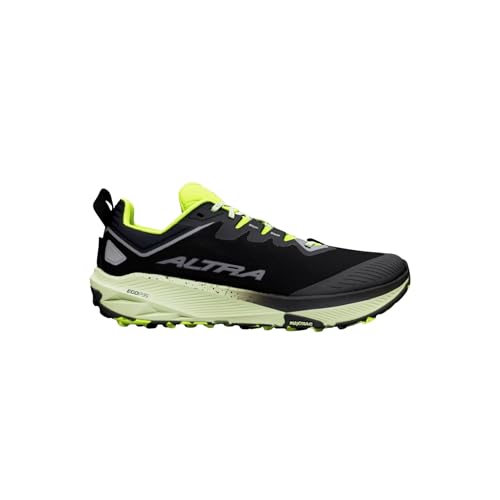
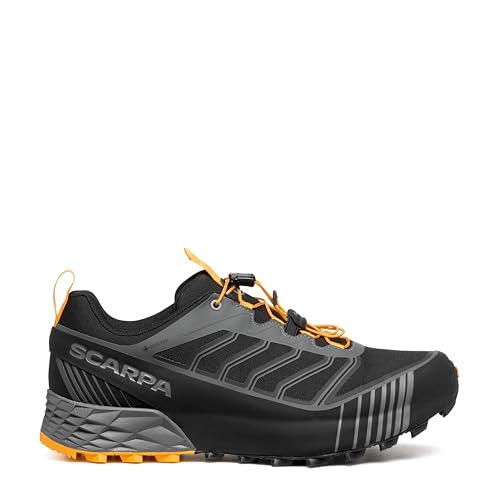
Most gravel running favors a stable cushioned shoe with broad rubber coverage and low-to-moderate lugs. Fine compacted rail trails behave almost like firm roads, while deep loose gravel moves under braking and needs more outsole edges. A full technical shoe may be unnecessary unless the route includes mud, sharp stones, or steep descents. Road shoes can work on smooth dry gravel when the base is stable and enough rubber protects the foam. Choose from the loosest recurring section and the length of paved connectors. The ideal pair rolls quietly on hard surfaces, resists abrasion, and gives the forefoot enough room to remain comfortable through repetitive miles without feeling vague on corners.
Distinguish Crushed Path from Loose Aggregate
Gravel describes a wide range of particle sizes and depths. Fine crushed limestone can pack into a level surface with predictable traction. Pea gravel rolls beneath the outsole. Freshly graded roads may hide deep strips near the edge, while old fire roads expose embedded rocks and washboard ridges. Rail trails are commonly gentle but can collect mud or ice in shaded sections. Walk the route if uncertain and note whether particles move under a twisting foot. Grade also matters: a flat path tolerates smoother tread than a steep loose descent. Choose for the combination of depth, slope, and moisture instead of treating every unpaved road as technical trail.
Use Moderate Lugs with Broad Faces
Gravel traction comes from edges engaging loose particles while enough rubber contacts the firm layer below. Low or moderate lugs with broad faces balance those tasks. Tall soft-ground knobs can squirm on compact path and wear rapidly during road access. Completely smooth road rubber may slide during downhill braking or corners on deep aggregate. Look for perimeter edges that support turns and rear-facing heel shapes that resist descent movement. Flex grooves help pavement transition, but deep cavities may trap stones. Outsole pattern should remain continuous enough to roll smoothly. The right tread feels calm on the hard center of a road and still finds purchase when the runner moves into looser shoulders.
Rubber Coverage Protects Against Abrasion
Gravel can act like coarse sandpaper. Exposed midsole foam is easily scuffed or cut, particularly under the forefoot and lateral heel. Strategic rubber may be sufficient when it covers personal landing and toe-off zones; fuller coverage gives more margin on varied roads. Hard compounds tend to resist wear but may lose wet grip, while softer rubber adheres better and can disappear sooner on pavement. Inspect outsole edges and bonding after early runs. Embedded stones can pry at small pieces. Do not judge retirement from surface roughness alone. Replace or reassign the shoe when rubber loss exposes vulnerable foam, traction changes, or uneven wear alters the platform.
As an Amazon Associate, we may earn from qualifying purchases.
View the mid-guide match on AmazonStable Cushioning Matters More Than Armor
Gravel routes often produce steady repetitive mileage rather than isolated technical impacts. Cushioning should remain comfortable on firm ground and stable when one foot lands across a ridge of loose stones. Moderate stacks are straightforward; higher platforms work when their bases are broad and foam does not collapse laterally. A strong rock plate is seldom necessary for fine rail trail, though rough fire roads with pointed aggregate may justify flexible protection. Rocker geometry can smooth long straight sections, but very rigid soles may feel awkward on uneven shoulders. Select enough structure to keep the platform centered, not mountaineering armor that adds heat and stiffness to an otherwise runnable road.
Fit for Repetition, Swelling, and Dust
Long gravel runs repeat the same motion, so small pressure points become significant. Leave swelling room at the toes, hold the heel without slippage, and keep the midfoot secure during corners. A gusseted tongue can stop fine stones and dust from entering, while a closely woven upper resists abrasion better than delicate open mesh. Breathability remains valuable on exposed roads. Test footwear late in the day with intended socks and descend an incline to confirm toe clearance. Wide toe-box shape can support natural spread, but a foot that slides across the platform will feel unstable in deep gravel. Comfortable space should coexist with a shaped waist and seated heel.
Plan for Pavement, Rain, and Seasonal Change
Many gravel runs begin on sidewalks or cross paved towns. Broad low tread and a flexible forefoot reduce noise and harshness during those links. If pavement dominates, a road-to-trail design may be preferable to a gravel-biased trail shoe. Rain can transform dust into slick paste, reveal wet roots, or wash channels through the road. A slightly deeper pattern helps, but waterproofing is not automatically required. Membranes add warmth and block shallow water while reducing breathability. In winter, packed snow or ice demands separate traction considerations. Reassess the same route seasonally because a shoe chosen for dry summer aggregate may not control frozen or muddy conditions.
Use a Short Gravel Test Loop
Build a repeatable circuit with compact centerline, loose shoulder, one corner, and a gentle descent. Run it at easy pace in the candidate, then include the paved approach. Notice stone movement under the heel, forefoot pressure, outsole noise, and whether dust enters through the tongue. Repeat after light rain only if the route remains safe. This controlled loop reveals more than a long outing on unknown roads because each shoe meets the same particles and grade. Inspect the sole afterward for lodged stones and fresh foam cuts. If the model is comfortable on firm sections yet hesitant only in deep shoulders, decide whether those shoulders are optional or central to normal running. The test turns a broad gravel label into a route-specific decision.
Final Verdict
Choose gravel shoes from particle movement, grade, distance, and connector mileage. Compact paths need a smooth stable ride with durable rubber; loose descending roads require stronger edges and perimeter control. Preserve fit and cushioning before adding technical protection that the route does not use. Inspect exposed foam, outsole wear, and dust abrasion because gravel's damage is gradual rather than dramatic. A road shoe may be enough for dry, maintained rail trail, while moderate trail tread provides margin on rougher aggregate and wet shoulders. The right pair moves naturally across firm miles, stays planted when stones roll, and does not punish the pavement needed to reach the route.
People also ask
Questions that extend this decision
Do you need trail shoes for gravel roads?
Not always. Smooth dry gravel can suit a stable road shoe with good rubber coverage. Deeper, steeper, wetter, or sharper aggregate benefits from moderate trail tread, secure fit, and greater outsole protection.
What lug depth works on gravel?
Low-to-moderate lugs are usually enough. Broad faces and perimeter edges matter more than an extreme depth. Tall mud lugs can feel unstable on compact gravel and pavement, while a nearly smooth sole may slide on loose descents.
Can road shoes be used on rail trails?
Yes, when the surface is maintained, dry, and firm. Choose a stable platform with rubber over major wear zones. Move toward road-to-trail footwear if the path includes loose shoulders, mud, sharp aggregate, or frequent unmaintained sections.
Are gravel shoes good on pavement?
Models with shallow tread, broad contact, and flexible soles can handle paved connectors comfortably. Aggressive lugs are noisier and wear faster. If most mileage is asphalt, prioritize road manners and use only enough edge for recurring gravel.
Do rock plates help on gravel?
They are rarely needed on fine crushed paths. A flexible plate may help on rough fire roads with sharp embedded stones or for sensitive feet. Extra stiffness is unnecessary when cushioning already blocks ordinary particle pressure.
Final verdict
Choose the tradeoff you understand.
Most gravel running favors a stable cushioned shoe with broad rubber coverage and low-to-moderate lugs. Fine compacted rail trails behave almost like firm roads, while deep loose gravel moves under braking and needs more outsole edges. A full technical shoe may be unnecessary unless the route includes mud, sharp stones, or steep descents. Road shoes can work on smooth dry gravel when the base is stable and enough rubber protects the foam. Choose from the loosest recurring section and the length of paved connectors. The ideal pair rolls quietly on hard surfaces, resists abrasion, and gives the forefoot enough room to remain comfortable through repetitive miles without feeling vague on corners. Fit comes first, the repeated session demand comes second, and the exact current product identity comes third. Use Amazon to verify sizes and options without relying on stale price or stock claims.
As an Amazon Associate, we may earn from qualifying purchases.
Check current options on Amazon