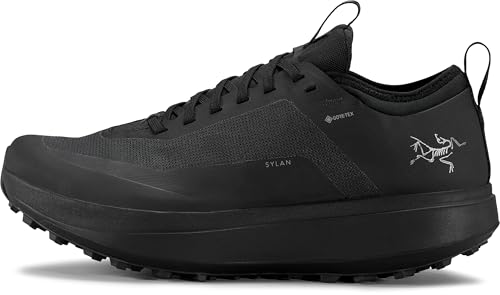
Arc'teryx · Exact Amazon product
Product-first buyer collection
Underfoot protection for sharp, rocky and root-filled terrain.
Read the supporting guides ↓As an Amazon Associate, we may earn from qualifying purchases.
Arc'teryx · Exact Amazon product

adidas Terrex · Exact Amazon product
 View on Amazon
  View on Amazon
 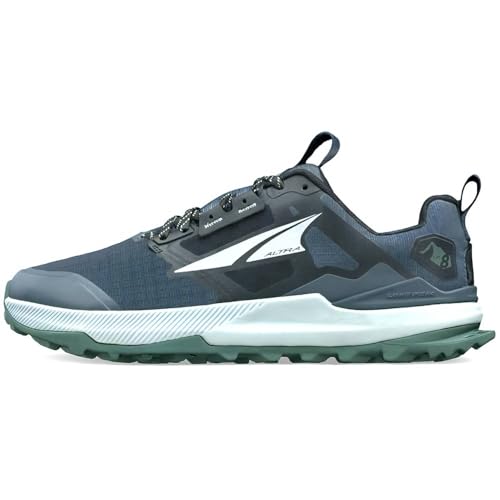 View on Amazon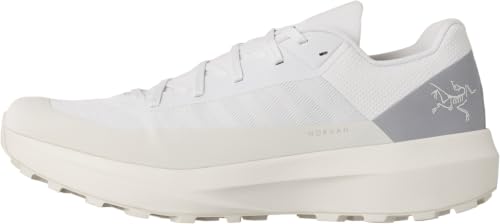
Arc'teryx · Exact Amazon product
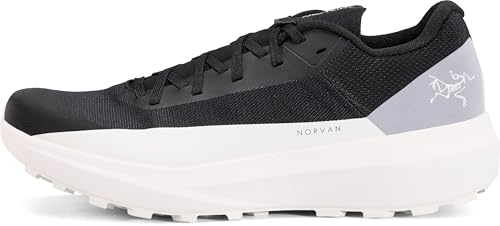
Arc'teryx · Exact Amazon product
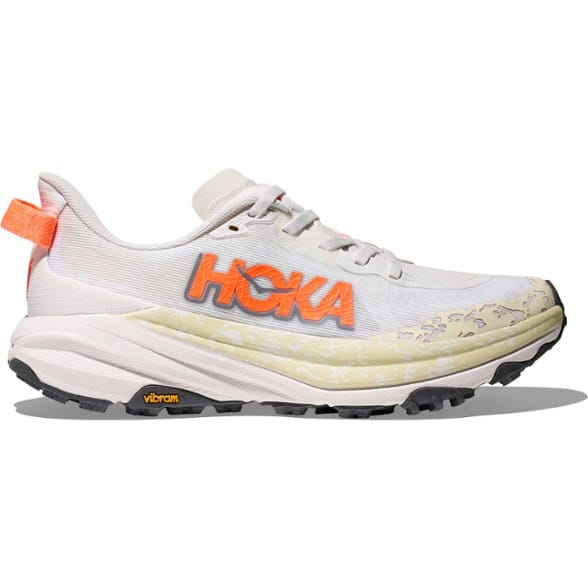 View on Amazon
  View on Amazon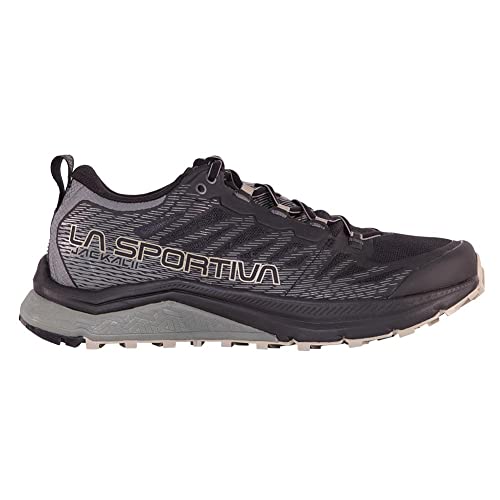
La Sportiva · Exact Amazon product
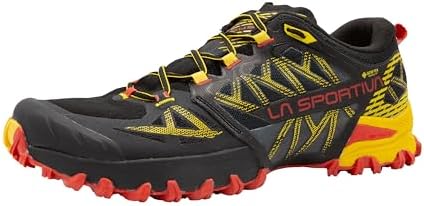
La Sportiva · Exact Amazon product

La Sportiva · Exact Amazon product
Decision checkpoint
Aggressive lugs, a secure upper and targeted protection earn their weight on soft or sharp ground. Avoid carrying a specialized outsole through most of the run when that terrain appears only briefly.
Topical support
A rock plate is valuable when sharp stones repeatedly press through the sole, but it is only one part of a rocky-terrain shoe. The outsole must grip the local rock, the platform must stay stable on angled landings, and the upper must hold the foot during climbs and descents. A thick or firm midsole can protect without a separate plate, while a flexible plate can spread pressure without making the shoe rigid. Judge the complete design.
paaA rock plate spreads pressure when a pointed stone pushes against the sole. It is most useful on trails where sharp, embedded rocks repeatedly interrupt the stride or where underfoot sensitivity causes hesitation. The plate may be woven, plastic, composite, segmented, or integrated with another structure, so its presence reveals less than its execution. Some thick or firm midsoles protect well without a separate layer; some plated shoes remain flexible and close to the ground. Choose based on route, distance, sensitivity, and desired feedback. Outsole grip, stable geometry, and secure fit still determine whether the shoe controls the terrain. Protection helps only after the shoe makes dependable contact.
paaBegin with the routes that will account for most of the shoe's mileage, not the adventure you might attempt once. Smooth dirt, gravel, and paved connectors favor shallow or moderate tread. Rocky singletrack benefits from secure fit, durable rubber, and underfoot protection. Mud and soft soil call for deeper, widely spaced lugs. Wet slabs place more emphasis on sticky rubber than dramatic tread depth.
paaHeel-to-toe drop is the difference in height between the heel and forefoot inside a shoe. A 6 mm shoe places the heel about 6 mm higher than the forefoot; it may still be highly cushioned or relatively low to the ground. The most useful starting point is the drop you already run in comfortably, followed by a gradual comparison if you want something different.