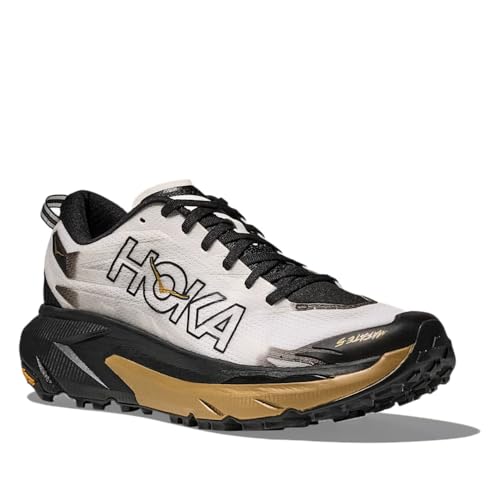
 View on Amazon
 Product-first buyer collection
Men's Trail Running Shoes
Current men's trail models organized by terrain, cushioning and distance.
Read the supporting guides ↓As an Amazon Associate, we may earn from qualifying purchases.
View on Amazon 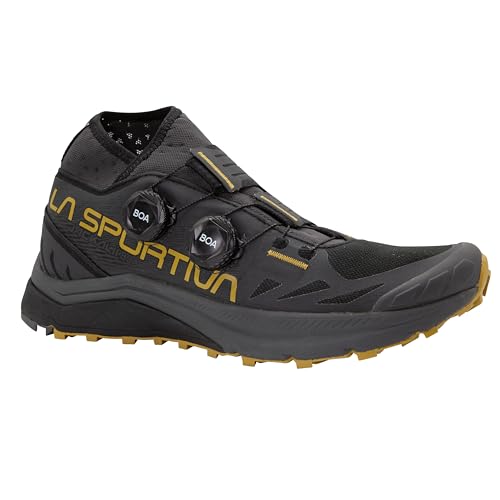
La Sportiva · Exact Amazon product
La Sportiva Mens Jackal II BOA Trail Running Shoe
Men; technical trail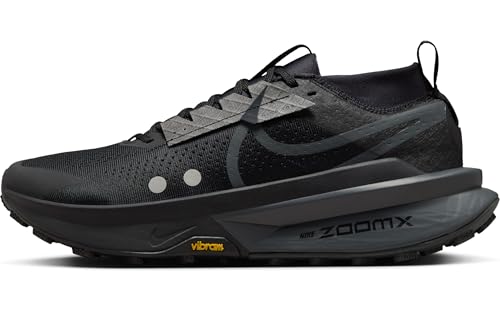 View on Amazon
 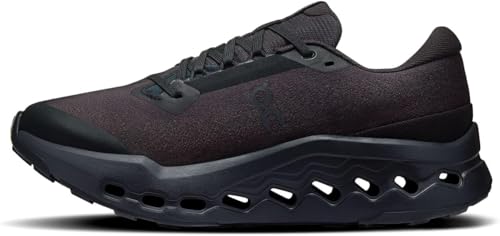 View on Amazon
adidas Terrex · Exact Amazon product
adidas Outdoor Terrex Agravic SL Trail Running Shoes
Men; mixed trail
adidas Terrex · Exact Amazon product
adidas Outdoor Terrex Agravic Speed Ultra 2 Trail Running Shoes
Men; trail racing
adidas Terrex · Exact Amazon product
adidas Terrex Agravic GTX Trail Running Shoe - Men's
Men; wet rugged trail; waterproof View on Amazon
  View on Amazon
  View on Amazon
  View on Amazon
  View on Amazon
 Decision checkpoint
Shape before specification
Secure the heel and midfoot, then leave enough forefoot room for natural spread, swelling and descents. A labeled wide size differs from a wide toe box, and persistent pain needs qualified guidance rather than another blind size change.
Topical support
Related guides and comparisons
paa
Men's Trail Running Shoes: A Practical Guide to Terrain, Fit, and Purpose
Choose men's trail running shoes by defining the main surface, distance, and fit problem they must solve. Secure the rearfoot, preserve toe clearance on descents, and use lug depth, rubber, protection, and cushioning to match the route. A unisex or women's model can also work when its size and shape provide the better fit.
paaHow to Choose Trail Running Shoes That Fit Your Routes and Feet
Begin with the routes that will account for most of the shoe's mileage, not the adventure you might attempt once. Smooth dirt, gravel, and paved connectors favor shallow or moderate tread. Rocky singletrack benefits from secure fit, durable rubber, and underfoot protection. Mud and soft soil call for deeper, widely spaced lugs. Wet slabs place more emphasis on sticky rubber than dramatic tread depth.
paaTrail Shoe Drop Explained: How Heel-to-Toe Offset Changes the Ride
Heel-to-toe drop is the difference in height between the heel and forefoot inside a shoe. A 6 mm shoe places the heel about 6 mm higher than the forefoot; it may still be highly cushioned or relatively low to the ground. The most useful starting point is the drop you already run in comfortably, followed by a gradual comparison if you want something different.