
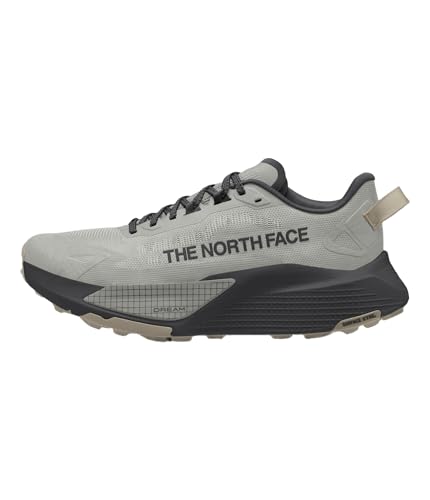
A Cushion-First Brand with Practical Fit Choices
New Balance enters trail running from a position of road-shoe familiarity. Many runners recognize its Fresh Foam character, conventional lacing, and multiple width approach before stepping onto dirt. That makes the brand approachable, but it does not make every model a road shoe with lugs. Hierro and More Trail place cushioning at the center of off-road comfort, while Nitrel remains closer to mixed-use utility and Summit names move toward performance or mountain intent. The range suits runners who want the trail softened rather than exposed. It may be less appealing to those seeking a minimal platform, aggressive mud penetration, or a highly anatomical toe shape. New Balance should be judged model by model because width availability, outsole partner, and upper security can change. A familiar logo is an invitation to try, not proof of identical fit.
Fresh Foam X Hierro: The Trail Cruiser
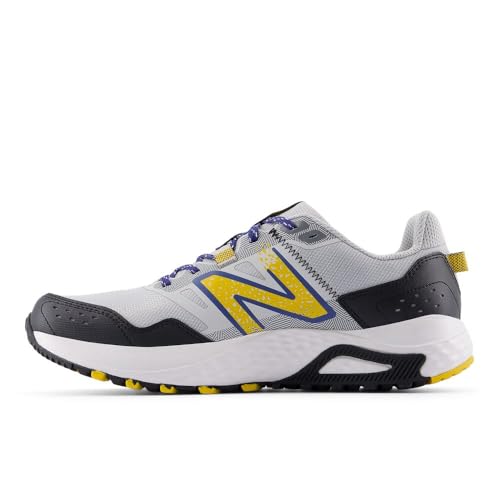
Hierro is the New Balance trail anchor. It works best on gravel, hardpack, forest paths, and moderate singletrack where cushioning and a smooth rhythm matter more than extremely precise edging. The shoe can manage road connectors, which makes it useful for runners who reach trails from home, but its personality remains more trail cruiser than road hybrid. Long easy efforts and run-walk days showcase its protection. Tight technical terrain may reveal the compromise: a cushioned platform can feel less direct when rapid placement matters. Hierro is the right first choice when a runner says ordinary trail feels harsh or wants one comfortable shoe for varied nonsevere surfaces. It is less obvious for deep mud, racing sharp turns, or someone who finds soft platforms vague. Verify current outsole and width details before making edition-specific statements.
Fresh Foam X More Trail: Maximum Isolation
More Trail takes the cushion proposition further. It suits runners and hikers who want substantial separation from gravel, roots, and repeated impacts, especially during slow long outings. A broad platform can feel supportive and calm, but platform height should be tested on off-camber ground rather than assumed stable from width alone. The model makes sense when fatigue from underfoot pounding is the key complaint. It makes less sense when the runner wants ground detail, quick changes of direction, or a light race sensation. Compare More Trail with Hierro as two degrees of intervention: Hierro balances trail function and cushion; More Trail deliberately makes the platform a dominant part of the experience. Neither is a deep-mud specialist. Cushion can protect from impact, but it cannot replace lug penetration or a secure upper when the surface shifts.
DynaSoft Nitrel: Mild Trail and Mixed Utility
Nitrel serves the accessible edge of the range. It is suited to walking, light running, travel, gravel, and easy dirt where a full technical package would be unnecessary. Its road-to-trail manners can make it more practical than a rugged model for suburban routes. That utility should not be mistaken for universal trail capability. Repeated sharp rock, steep wet descents, and long technical outings may require stronger protection, outsole specificity, and upper security. Nitrel is a rational first outdoor shoe when the user is still discovering trail habits or expects equal walking and running. It is also useful for experienced runners on relaxed surfaces. Choose it because the route is moderate, not because a price comparison temporarily makes it attractive. Retail conditions change; terrain purpose is the durable buying reason.
As an Amazon Associate, we may earn from qualifying purchases.
View the mid-guide match on AmazonSummit Models and Performance Intent
New Balance uses Summit naming across trail products with more technical or speed-oriented goals. Exact families can evolve, so the current product page must establish whether a model emphasizes racing, lightweight climbing, technical grip, or everyday mountain use. The durable lesson is that Summit should not be treated as one step above Hierro. A close, performance upper and firmer response may improve control at pace while feeling less relaxed over long easy mileage. A racing construction may reward runnable courses yet become awkward during hiking. Identify the event, terrain, and normal speed before moving into this branch. Test lateral hold and downhill clearance because a fast platform cannot perform when the foot slides. A brand hub should link to the exact Summit family, not to an ambiguous category search.
Widths Are Useful, Not Magical
New Balance's width choices are a genuine advantage for many runners, but width is not a single measurement. One foot may need toe splay, another midfoot volume, and another space throughout. A wide shoe that loosens the heel can be less secure than a standard shoe with the correct shape. Try current models with trail socks and use a sloped surface. The heel should remain seated, the instep should avoid pressure, and toes should stay clear of the front during braking. Do not create width by adding excessive length, because the flex point and lockdown may shift. Weatherproof versions may also feel lower-volume due to membrane construction. The correct size lets swelling occur without lateral movement. When a width option succeeds, it should feel secure and uneventful, not merely less painful than the standard shoe.
Choose by Surface, Then Cushion
For moderate trail with long-run comfort, start at Hierro. For maximum isolation on runnable ground, investigate More Trail. For easy paths, mixed walking, and pavement connectors, Nitrel may be sufficient. For technical or competitive intent, identify the exact Summit model whose outsole and geometry match the course. Then decide how much trail information you want. Cushion-focused runners may enjoy New Balance across the rotation; ground-feel seekers may limit the brand to recovery or long days. Deep mud and severe scrambling deserve comparisons outside these core families. The useful shortlist solves the majority of a normal month. Buying More Trail for one hypothetical ultra can burden every short run, while choosing Nitrel for technical ambitions can leave genuine protection needs unmet.
Final Verdict
New Balance offers an approachable trail ecosystem for runners who value cushioning and nuanced width selection. Hierro is the central recommendation, More Trail supplies maximal protection, Nitrel keeps mixed use simple, and Summit models address specialized performance. The brand's strength is comfort that feels familiar without pretending every outdoor route is the same. Its limit appears when runners need deep-mud lugs, a very low platform, or the most technical mountain hold. Begin with the route and the preferred level of ground isolation, then verify fit under side load and descent. A wide label should improve space without sacrificing heel control. Runners who want a cushioned cruiser can confidently start here; runners who want to feel every contour should compare lighter, more flexible alternatives before choosing by brand familiarity.
People also ask
Questions that extend this decision
Which New Balance trail shoe is best for most runners?
Hierro is the broadest starting point for cushioned daily trail, gravel, and moderate singletrack. More Trail suits runners wanting greater isolation, while Nitrel fits easier mixed routes. Technical racers should identify the purpose of the current Summit models.
Is More Trail more stable than Hierro?
Not automatically. Its broad platform may feel supportive, but added height changes leverage on slanted ground. Individual ankle control, upper hold, and terrain matter. Test both on turns and cambers instead of treating platform size as a stability score.
Can Nitrel handle real trail running?
It can handle easy dirt, gravel, and uncomplicated singletrack. Sustained rock, deep mud, or fast technical descending may exceed its utility focus. The model is appropriate when moderate terrain is the normal use, not merely an occasional exception.
Are New Balance wide trail shoes wide in the toe box?
Width distribution varies by model and size. A wide designation may add space through multiple zones rather than create a distinctly anatomical toe shape. Check toe splay, instep volume, heel hold, and downhill control separately before deciding.
Is Hierro good for road-to-trail running?
Yes when road sections are connectors and gravel or moderate trail forms the main destination. Runners spending most miles on pavement may prefer a smoother hybrid or road shoe. The route's surface split should determine whether Hierro's trail outsole is worthwhile.
Final verdict
Choose the tradeoff you understand.
New Balance is most attractive to trail runners who want cushioning choices and current width options without abandoning a familiar daily-trainer feel. Fresh Foam X Hierro is the balanced cushioned trail cruiser, Fresh Foam X More Trail pushes protection further, DynaSoft Nitrel covers accessible road-to-trail use, and Summit models address faster or more technical objectives. Begin with Hierro for hardpack, gravel, and moderate singletrack. Choose More Trail when underfoot isolation matters more than agility, Nitrel when routes remain mild and mixed, or a Summit family when the course requires a more performance-focused fit and ride. Width labels help only when heel, instep, and toe shape also match. Fit comes first, the repeated session demand comes second, and the exact current product identity comes third. Use Amazon to verify sizes and options without relying on stale price or stock claims.
As an Amazon Associate, we may earn from qualifying purchases.
Check current options on Amazon